When most people hear the words stem cells, they think of advanced medical procedures or controversial lab techniques.
But here’s the truth:
Your body already has stem cells — and they are working for you every single day.
Stem cells are your body’s internal repair system. They are unspecialized cells capable of developing into muscle, bone, nerve, blood vessel, and other tissue types. Their primary function is regeneration — replacing damaged cells and maintaining tissue health throughout your life.
The real question isn’t whether you have stem cells.
The real question is: How well are they functioning?
What Are Stem Cells and Why Do They Matter?
Stem cells are unique because they can:
- Self-renew (make copies of themselves)
- Differentiate into specialized cells
- Respond to injury signals in the body
- Support tissue repair and regeneration
According to the National Institutes of Health (NIH), adult stem cells are found in various tissues including bone marrow, fat tissue, and blood, where they contribute to normal repair processes.¹
Every day, your body experiences:
- Micro-damage from exercise
- Oxidative stress from environmental exposure
- Inflammation from diet and lifestyle
- Natural cellular aging
Stem cells respond to chemical signals released during injury or inflammation. These signals guide them to areas where repair is needed.
Without stem cells, healing would not occur efficiently.
Stem Cells and Aging: Why Recovery Slows Over Time
One of the most researched aspects of stem cell biology is how aging affects regenerative capacity.
Studies published in journals such as Cell Stem Cell and Nature Medicine show that both the number and function of circulating stem cells decline with age.² ³
This decline may contribute to:
- Slower muscle recovery
- Reduced tissue elasticity
- Longer healing times
- Decreased resilience
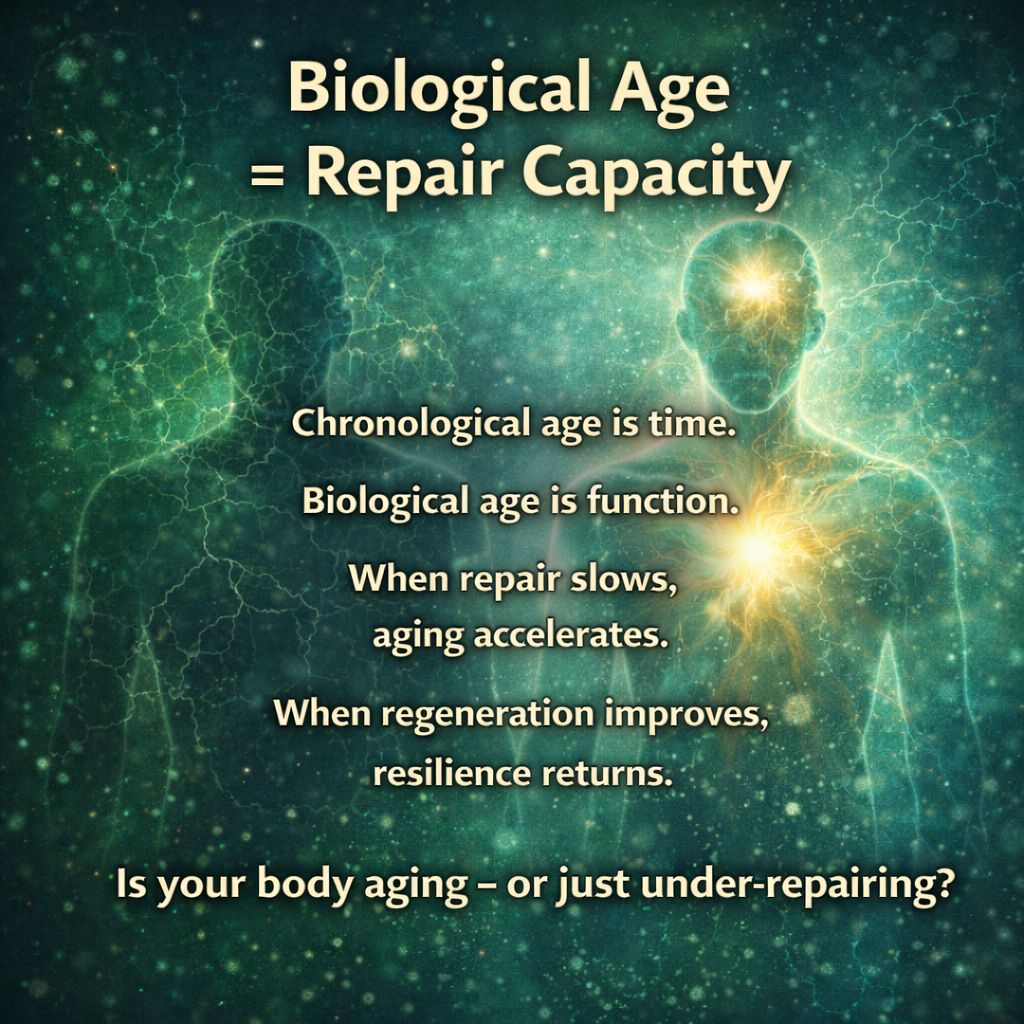
It’s not that the body stops repairing itself — it’s that regenerative signaling becomes less efficient over time.
Inflammation and Stem Cell Signaling
Stem cells rely on biochemical signaling molecules in the bloodstream to guide them to injured tissues.
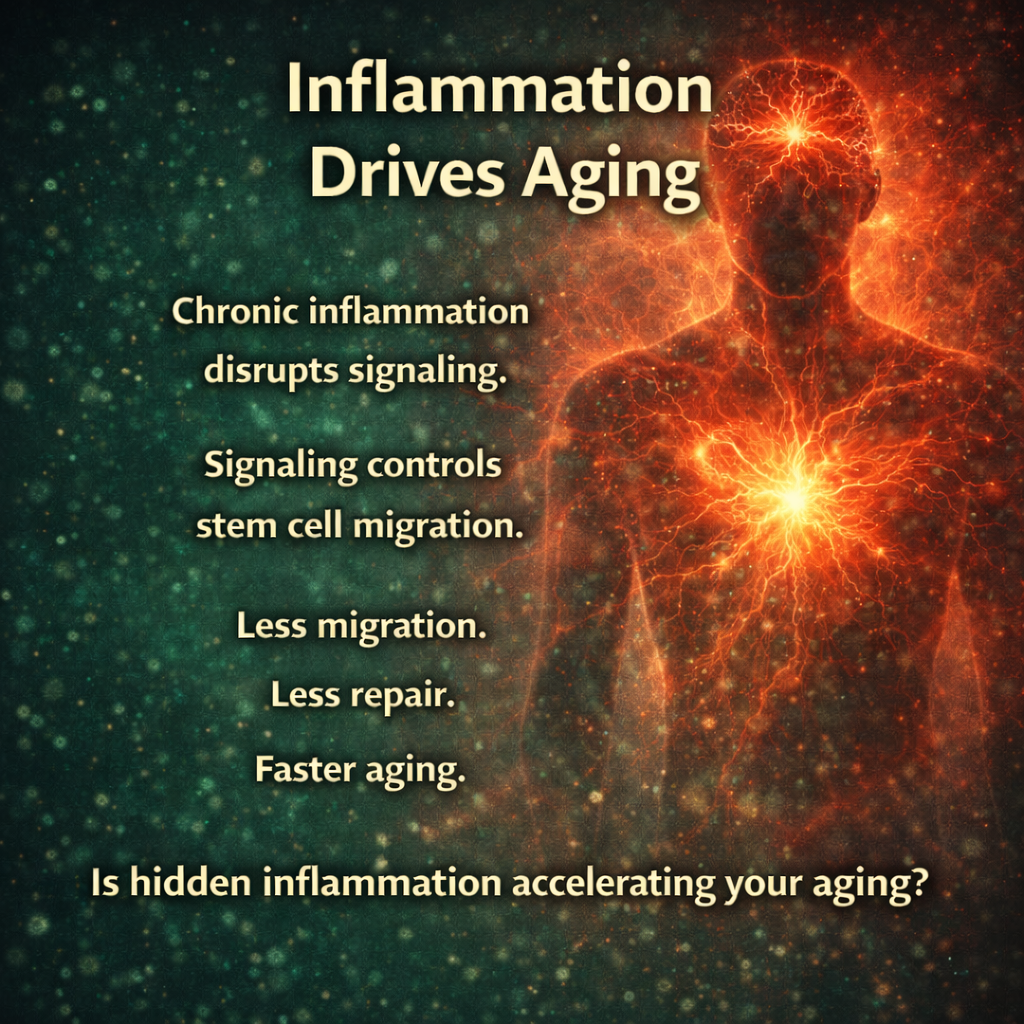
When inflammation becomes chronic, inflammatory cytokines increase. Excess cytokines may interfere with regenerative signaling pathways.⁴
Researchers have described this as a disruption in cellular communication — where repair signals compete with inflammatory signals.
This is why maintaining a healthy inflammatory response is critical for optimal tissue repair.
How Lifestyle Influences Stem Cell Function
Emerging research shows that daily habits influence stem cell activity and mobilization.
1. Exercise and Stem Cell Mobilization
Moderate physical activity has been shown to increase circulating progenitor cells and improve vascular function.⁵
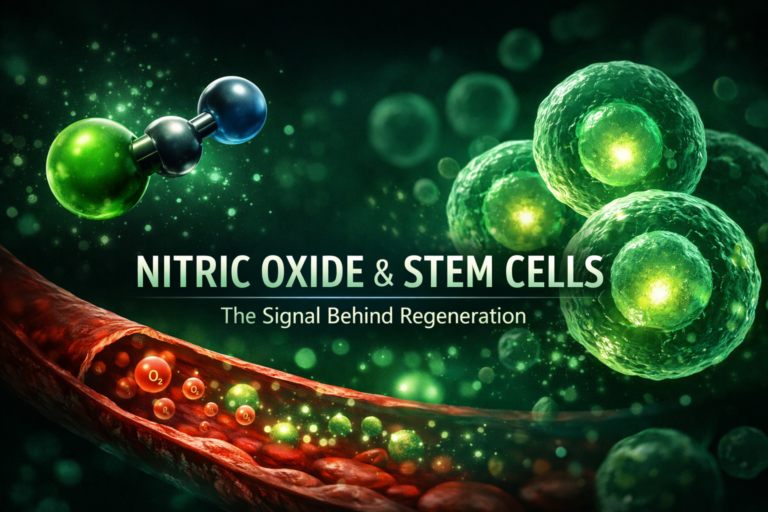
Exercise stimulates nitric oxide production, which supports blood vessel dilation and cellular signaling — both important for stem cell migration.
2. Sleep and Regenerative Hormones
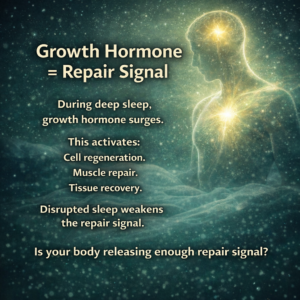
Deep sleep supports the release of growth hormone and other repair-related signals. Chronic sleep deprivation has been associated with impaired tissue repair mechanisms.⁶
3. Nutrition and Cellular Protection
Diets rich in antioxidants and polyphenols may help protect stem cells from oxidative stress.⁷
Key nutrients involved in cellular health include:
Omega-3 fatty acids
Vitamin C
Polyphenols (from berries and green tea)
Amino acids such as L-arginine
4. Circulation and Nitric Oxide
Nitric oxide plays a role in vascular dilation and cellular signaling. Research suggests nitric oxide pathways may influence stem cell mobilization and homing.⁸
Healthy blood flow ensures stem cells can reach tissues efficiently.
Supporting Your Body’s Natural Regenerative Environment
Instead of asking, “How do I get stem cells?” the better question is:
How do I support the environment that allows my existing stem cells to function optimally?
Evidence-based strategies include:
- Maintaining a healthy body weight
- Reducing ultra-processed foods
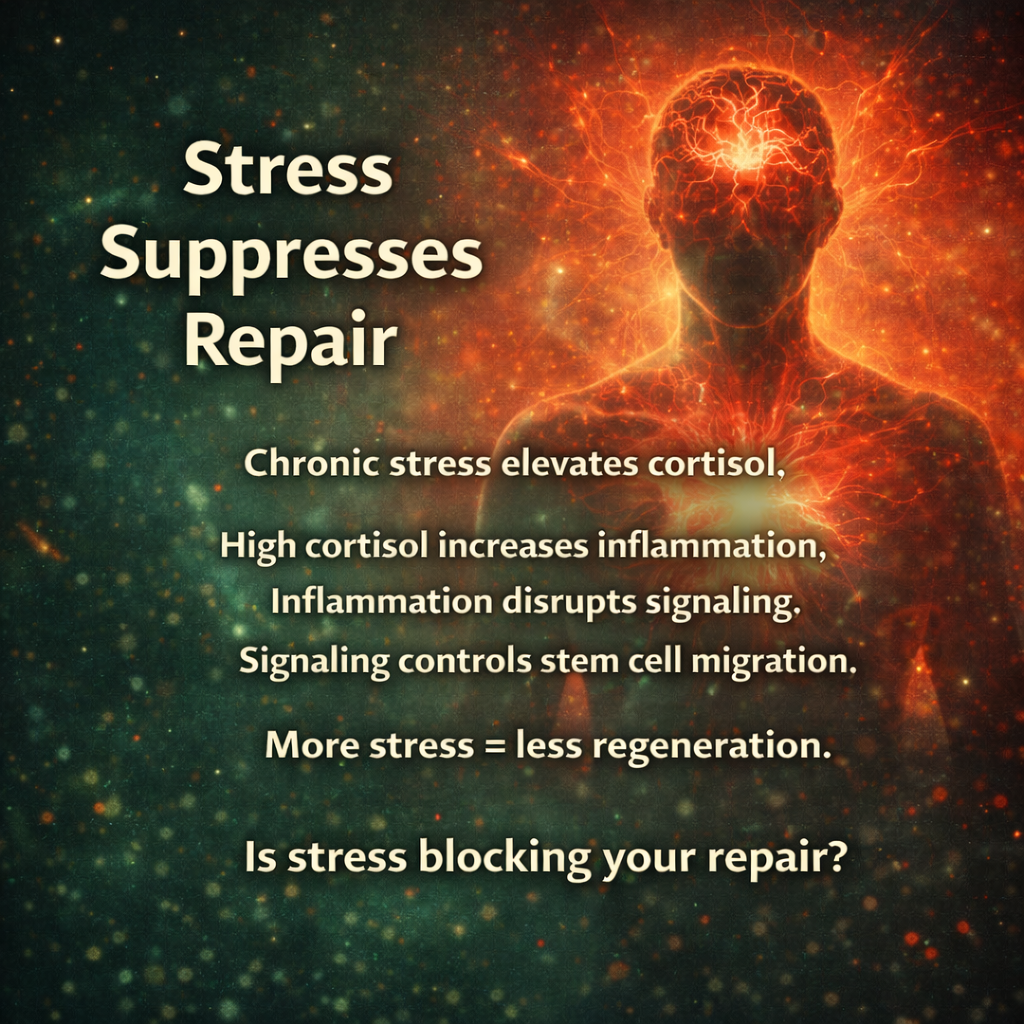
- Managing stress levels
- Prioritizing quality sleep
- Engaging in regular resistance and aerobic exercise
- Supporting vascular health
Stem cells do not operate in isolation. They function within a complex biological network involving immune cells, growth factors, circulatory pathways, and hormonal balance.
When those systems are optimized, regeneration improves.
The Bigger Picture
Stem cells are not a miracle cure — but they are fundamental to how your body maintains resilience.
Understanding stem cell biology shifts your focus from chasing quick fixes to improving your internal environment.
Repair is not something you inject.
Repair is something you support.
And the decisions you make daily — movement, nutrition, sleep, stress — directly influence how efficiently that system works.
References
- National Institutes of Health. Stem Cell Basics. NIH Stem Cell Information.
- Rossi DJ et al. (2008). “Stem cell aging.” Cell.
- Rando TA & Chang HY. (2012). “Aging, rejuvenation, and epigenetic reprogramming.” Cell.
- Franceschi C et al. (2018). “Inflammaging and immune system remodeling.” Nature Reviews Immunology.
- Laufs U et al. (2004). “Physical training increases endothelial progenitor cells.” Circulation.
- Besedovsky L et al. (2019). “Sleep and immune function.” Pflügers Archiv.
- Pandey KB & Rizvi SI. (2009). “Plant polyphenols as dietary antioxidants.” Oxidative Medicine and Cellular Longevity.
- Aicher A et al. (2003). “Essential role of endothelial nitric oxide synthase for mobilization of stem and progenitor cells.” Nature Medicine.