Your kidneys filter waste and extra fluid from your blood and help control blood pressure. Kidney disease usually has no symptoms until it’s advanced, so testing is the only way to know. The two biggest causes are diabetes and high blood pressure. Two simple tests, a blood test (eGFR) and a urine test (ACR), check how your kidneys are doing. This page covers the everyday steps with the best support, the remedies people ask about (with important safety notes), and when to get help.
Get medical help first if…
- you’re passing very little or no urine, or have swelling with shortness of breath. Get emergency care.
- you have severe pain in your side or back with fever, chills or vomiting (possible kidney infection or a blocked stone). Get care the same day.
- you see blood in your urine, or it’s foamy most of the time
- your ankles, feet or face are swelling, or you’re unusually tired and itchy
- you have diabetes, high blood pressure, heart disease or a family history of kidney disease and haven’t had an eGFR and urine ACR test in the past year
Everyday steps with the best support
- Keep blood pressure and blood sugar in your target range. This protects the kidneys more than anything else.
- Cut back on salt and packaged, restaurant and processed foods.
- Drink enough water for your thirst and activity (pale-yellow urine is a good sign), unless your doctor has asked you to limit fluids.
- Go easy on anti-inflammatory painkillers like ibuprofen and naproxen. Regular use can harm the kidneys. Ask your pharmacist what’s safe for you.
- Move most days, don’t smoke, and work toward a healthy weight.
- If you’ve been diagnosed, follow a kidney eating plan only as advised. Limits on potassium, phosphorus and protein depend on your stage, so a kidney dietitian is worth asking for.
Remedies people traditionally use
Kidney health is one area where “natural” isn’t automatically safe. Kidneys clear herbs and supplements from the body, so weak kidneys can let them build up. These are the remedies people ask about most, with what’s known.
- Water and lemon: lemon juice adds citrate, which may help prevent some types of kidney stones. A food habit that’s safe for most people.
- Cranberry: traditionally used to help prevent bladder infections (it doesn’t treat kidney disease). Juice is often high in sugar; check with your pharmacist if you take warfarin.
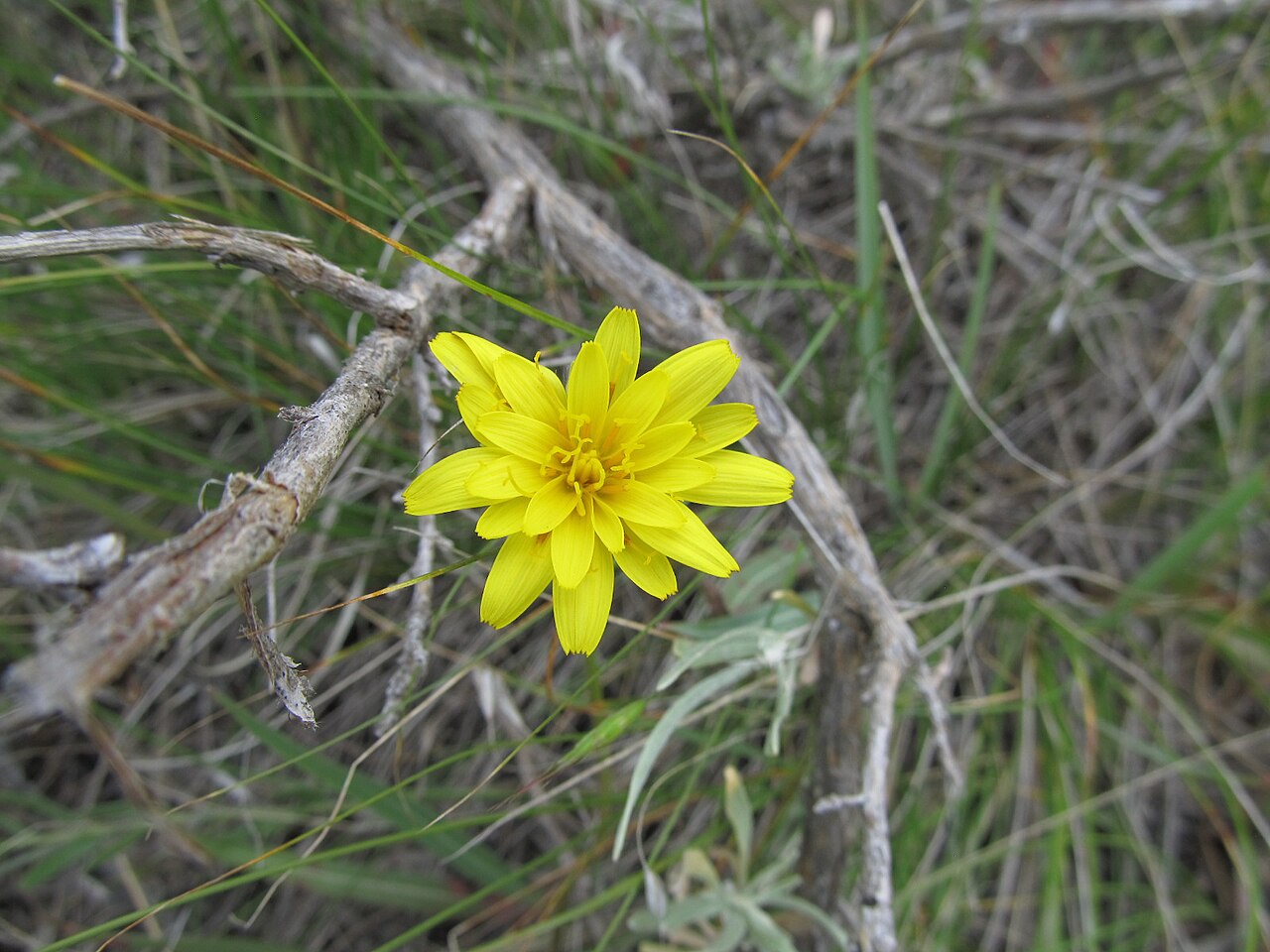
- Dandelion and parsley: traditional “water pills” (diuretics). They can affect fluid, potassium and medicines like diuretics and lithium. Avoid with kidney disease unless your doctor agrees.
- Nettle: a traditional spring tonic and diuretic herb. Same cautions as dandelion.
Worth knowing: some herbal products, including certain traditional Chinese herbal blends that have contained aristolochic acid, have caused serious kidney damage. Salt substitutes are usually potassium chloride, which can be dangerous with kidney disease. If your kidneys aren’t working well, check every supplement, herb and over-the-counter product with your doctor or pharmacist first.
Check with your doctor or pharmacist before starting anything new, especially if you’re pregnant, nursing, on medication or managing a health condition.
Third-party programs (affiliate)
Some readers ask for a step-by-step home program. These are sold by outside companies. If you’ve been diagnosed with kidney disease, talk to your kidney team before following any outside program.
Sponsored link. If you buy through it, Clif may earn a commission at no extra cost to you. The claims on the seller’s page are theirs, not ours, and haven’t been checked by us. It’s not a substitute for seeing your doctor.
Related
- High Blood Pressure
- Type 2 Diabetes
- The Structured Detox Method: start with the everyday basics first
- Back to the Remedy Library
Sources
- NIDDK: Chronic Kidney Disease
- NIDDK: Kidney Stones
- Kidney Foundation of Canada
- National Kidney Foundation (US)
Affiliate notice: this page contains affiliate links. If you buy through them we may earn a commission at no extra cost to you. How we choose products.
Educational only, not medical advice. This information has not been evaluated by the FDA or Health Canada and is not intended to diagnose, treat, cure, or prevent any disease. Talk to your healthcare provider before starting any remedy, supplement, or detox, especially if you are pregnant, nursing, taking medication, or managing a health condition. Read our full Medical Disclaimer.