A young New York surgeon in the 1890s noticed that some patients seemed to get better after a high fever, and spent the rest of his life trying to recreate it. His idea was pushed aside for decades, and then modern science came back to it. This is the story, told from both sides.
Similar Posts
Honeybee Venom and Melittin
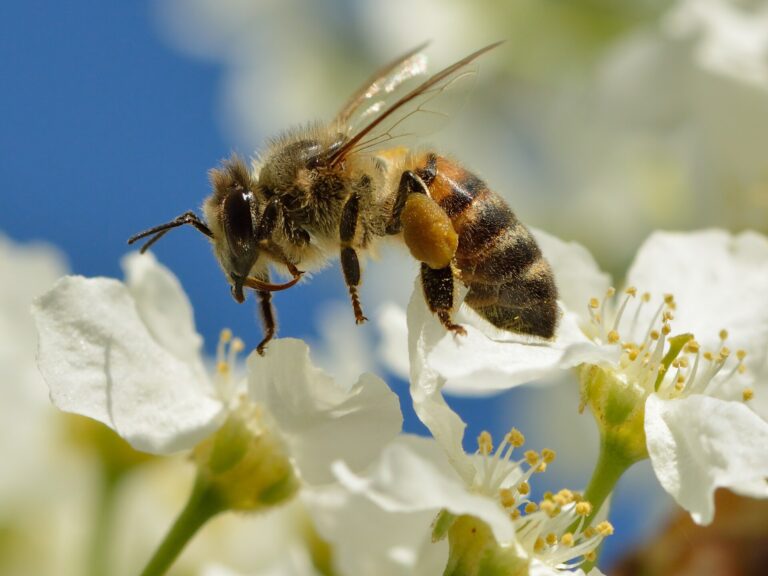
A peptide from the honeybee's sting tore through aggressive cancer cells in a laboratory dish within an hour — and the headline went around the world. Here's what the research actually found, why the leap from the lab is so hard, and what bee-sting therapy has cost some people.
Essiac and Flor-Essence
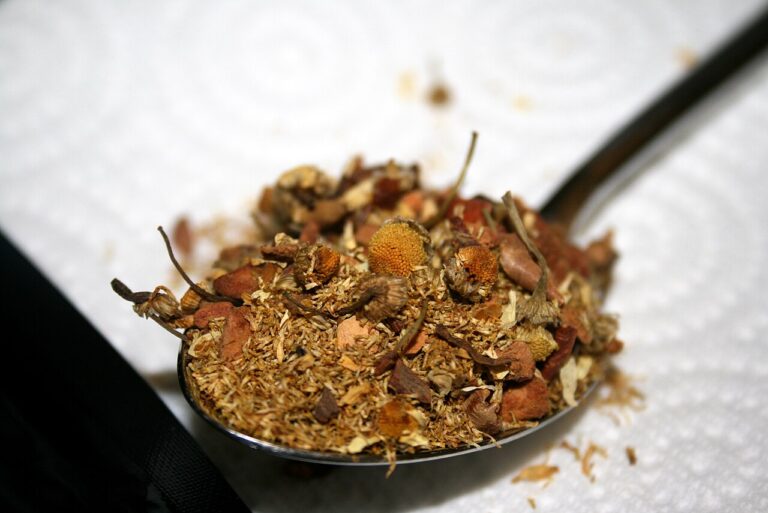
A small-town Ontario nurse, a recipe said to come from an Ojibwa healer, a free clinic, a bill that fell a few votes short — and fifty years of argument. The full story of Essiac, told from both sides.
Hoxsey therapy
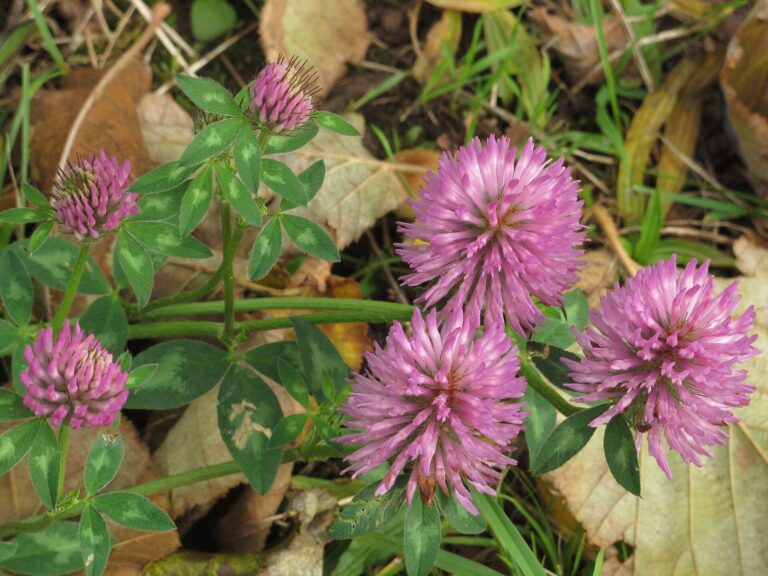
A family herbal formula, a coal miner turned showman, the largest alternative cancer operation in mid-century America, and the one libel case the medical establishment lost. Here is the whole story, including the parts both sides leave out.
Ivermectin, fenbendazole and mebendazole: what’s behind the cancer buzz
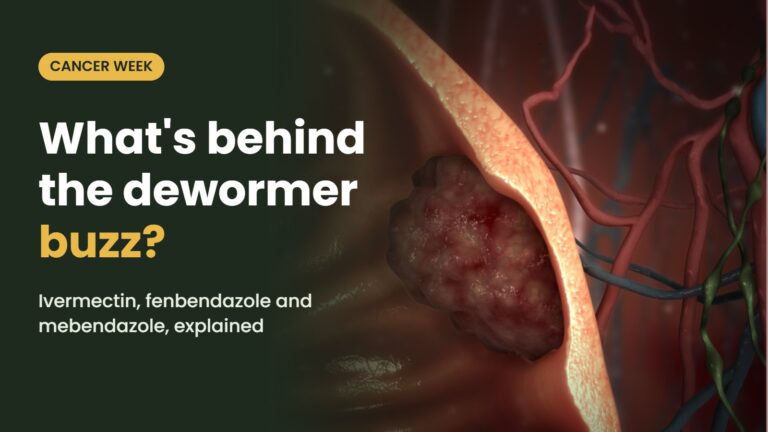
Three worm medicines have become some of the most talked-about names in cancer circles. Here’s where the interest comes from, what the trials show so far, and how to raise it with your oncologist.
Black salve and other escharotic salves
A dark paste with roots in Indigenous plant medicine and in the early history of a famous surgical technique. This is the story of black salve, why people still look for it, and why regulators on three continents warn about it.
Cannabis and Rick Simpson oil: what the research shows
Rick Simpson oil has a devoted following and a story that spread worldwide. Here's where it came from, what the lab studies found, and where cannabis has earned a real place in cancer care.