
Inflammation is your body’s natural repair response. Short-term, it’s helpful. When aches and inflammation linger for months, daily habits play a big part in how you feel. Long-lasting pain has many causes, so it’s worth knowing yours. This page covers the everyday steps with the best support, the remedies people traditionally use, and when to get checked. For joint pain, see Arthritis too.
Get medical help first if…
- you have chest pain, a sudden, severe headache (“the worst ever”), or signs of a stroke. Call 911.
- back pain comes with numbness around the groin or buttocks, or new trouble controlling your bladder or bowels. Get emergency care.
- pain comes with fever, unexplained weight loss, or wakes you at night
- an area is red, hot and swollen, or the pain follows an injury and won’t settle
- pain has lasted more than 3 months or is stopping you from working, sleeping or moving
Everyday steps with the best support
- Keep gently active. Walking, swimming and stretching help most long-lasting aches more than rest does.
- Eat Mediterranean-style: vegetables, fruit, beans, whole grains, olive oil, nuts and fatty fish, with fewer ultra-processed foods and sugary drinks.
- Protect your sleep. Pain and poor sleep feed each other; a regular bedtime helps.
- Manage stress: slow breathing, time outdoors and gentle yoga or tai chi can lower how intense pain feels.
- Use heat or cold: warmth for tight muscles, a wrapped ice pack for fresh swelling.
- Don’t smoke, keep alcohol low and work toward a healthy weight. All three affect inflammation.
Remedies people traditionally use
These have a long history of traditional use. Research on them is limited or mixed, so think of them as extras alongside the everyday steps and your doctor’s advice, not replacements.
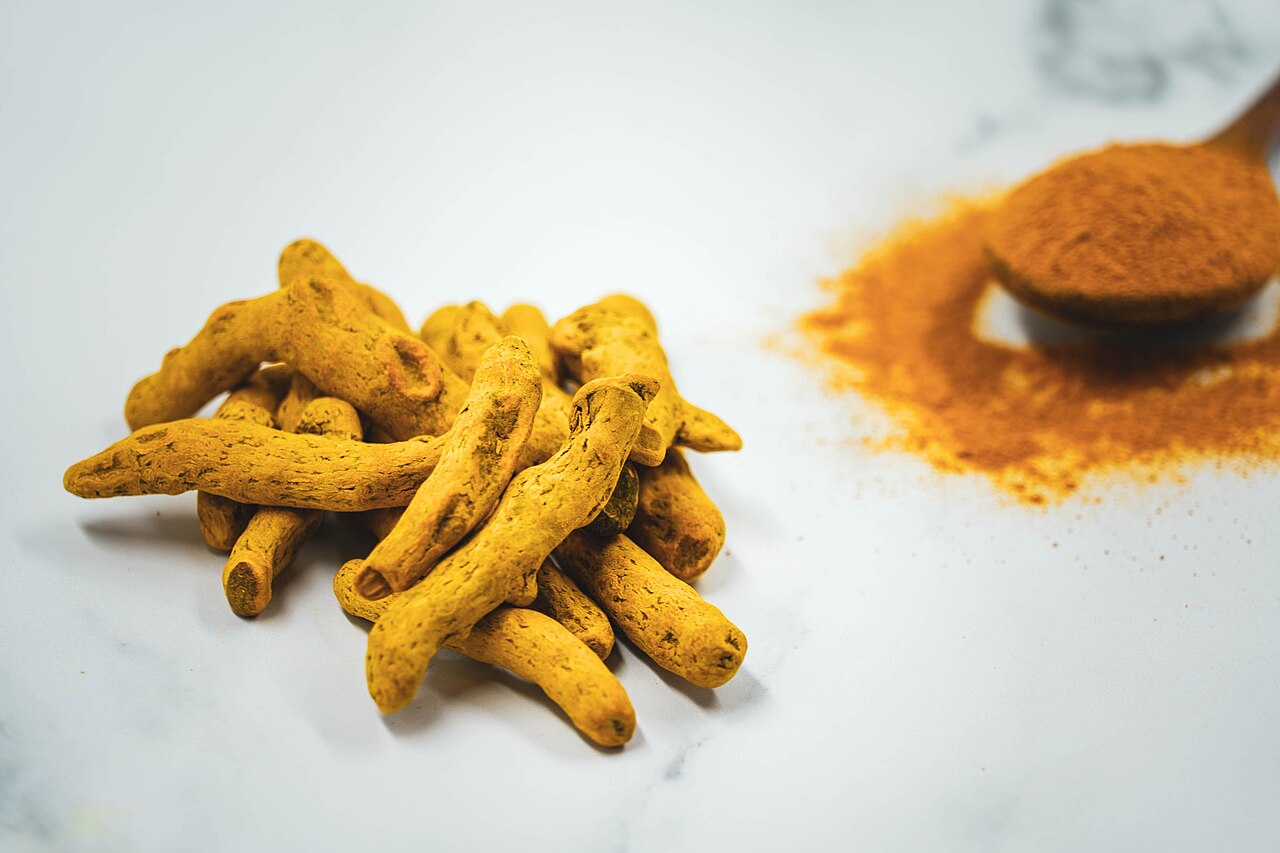
- Turmeric: used for centuries in Ayurvedic and Chinese medicine. Its main compound, curcumin, is studied for inflammation with mixed results. It can interact with blood thinners and isn’t advised with gallstones. Concentrated supplements, especially those with black pepper extract added for absorption, have been linked to rare liver injury.
- Ginger: fresh ginger tea is a traditional remedy for aches. Small studies show a modest effect on some types of pain.
- Omega-3s from fish: salmon, sardines and trout twice a week. Fish oil supplements can thin the blood at higher amounts.
- Tart cherries: a traditional remedy for sore muscles and gout; small studies only.
- Arnica gel: applied to the skin for bruises and sore muscles. Never swallow arnica, and don’t use it on broken skin.
- Willow bark: the traditional source of salicin, a relative of aspirin. Avoid it with an aspirin allergy, blood thinners, stomach ulcers, in pregnancy, and in children and teens.
Worth knowing: many “anti-inflammatory” herbs thin the blood a little, and so do painkillers like ibuprofen and aspirin. Combining them adds up. Stop herbal supplements about two weeks before surgery unless your surgeon says otherwise.
Check with your doctor or pharmacist before starting anything new, especially if you’re pregnant, nursing, on medication or managing a health condition.
A third-party product (affiliate)
Some readers ask about a turmeric supplement. This one is sold by an outside company. Please read the turmeric safety note above first.
Sponsored link. If you buy through it, Clif may earn a commission at no extra cost to you. The claims on the seller’s page are theirs, not ours, and haven’t been checked by us. It’s not a substitute for seeing your doctor.
Related
- Arthritis
- Liver Health
- The Structured Detox Method: start with the everyday basics first
- Back to the Remedy Library
Sources
Affiliate notice: this page contains affiliate links. If you buy through them we may earn a commission at no extra cost to you. How we choose products.
Educational only, not medical advice. This information has not been evaluated by the FDA or Health Canada and is not intended to diagnose, treat, cure, or prevent any disease. Talk to your healthcare provider before starting any remedy, supplement, or detox, especially if you are pregnant, nursing, taking medication, or managing a health condition. Read our full Medical Disclaimer.