High cholesterol usually causes no symptoms. The only way to know your numbers is a simple blood test called a lipid panel. Cholesterol is a waxy fat your body needs, but too much LDL (“bad”) cholesterol over time can build up in artery walls. Food, movement and other daily habits make a real difference, and for some people medication is needed too. This page covers the everyday steps with the best support, the remedies people traditionally use, and when to get checked.
Get medical help first if…
- you have chest pain or pressure, shortness of breath, or pain spreading to your arm, jaw or back. Call 911.
- you notice face drooping, arm weakness or trouble speaking (signs of a stroke). Call 911.
- you’ve never had your cholesterol checked, or it’s been several years
- close family members had heart disease or a stroke at a young age, or you have yellowish bumps on your skin, eyelids or tendons. These can point to an inherited type of high cholesterol that needs medical care.
Everyday steps with the best support
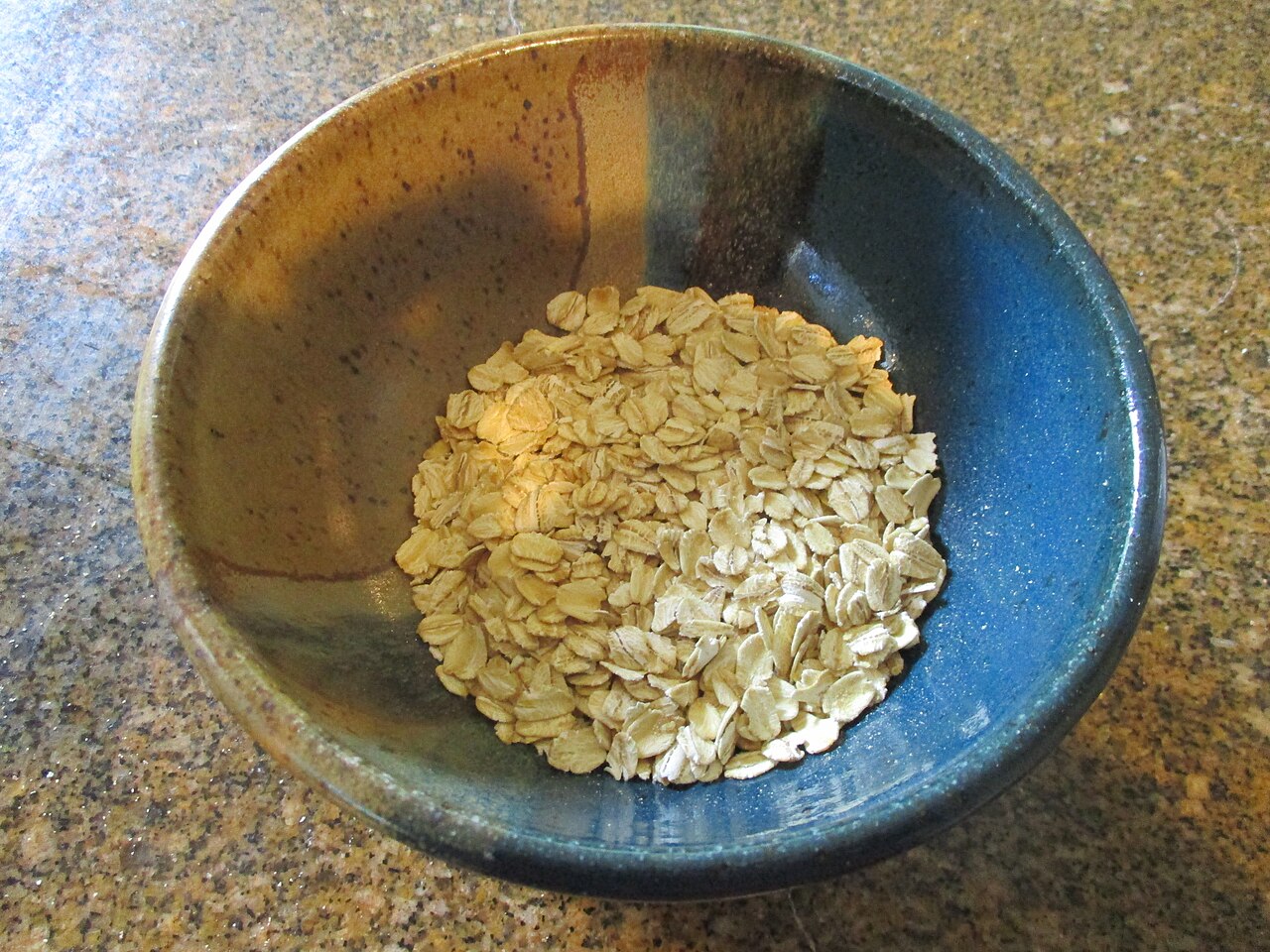
- Eat more soluble fibre: oats, barley, beans, lentils, apples, citrus and psyllium. It helps carry cholesterol out through the gut.
- Swap saturated fats for unsaturated ones: olive or canola oil, nuts, seeds, avocado and fish in place of butter, fatty processed meats and deep-fried food. Avoid trans fats (“partially hydrogenated oils”).
- Move most days. About 150 minutes a week of brisk walking or similar activity helps raise HDL (“good”) cholesterol and lower triglycerides.
- Work toward a healthy weight if you carry extra weight around the middle.
- Don’t smoke, and keep alcohol low. Both affect your arteries and blood fats.
- Plant sterols and stanols (in some fortified spreads, yogurts and drinks) can lower LDL when eaten daily as part of a meal.
- Get re-tested after a few months of changes, so you and your doctor can see what’s working.
Remedies people traditionally use
These have a long history of traditional use. Research on them is limited or mixed, so think of them as extras alongside the everyday steps and your doctor’s advice, not replacements.
- Garlic: studies show at most a small effect on cholesterol. It can thin the blood, so check with your pharmacist if you take a blood thinner or have surgery coming up.
- Ground flaxseed: a source of fibre and plant omega-3s, stirred into oatmeal or yogurt. Drink plenty of water with it.
- Green tea: a traditional daily drink; some studies suggest a small effect on LDL. It contains caffeine, and concentrated green tea extracts have been linked to rare liver problems.
- Red yeast rice: it naturally contains monacolin K, the same compound as the prescription drug lovastatin. That’s why it can lower cholesterol, and also why it carries the same kinds of risks. Products vary a lot in strength and some have contained a toxin called citrinin. Don’t combine it with a statin, and don’t use it if pregnant or nursing.
Worth knowing: if you’ve been prescribed a statin or other cholesterol medicine, keep taking it unless your doctor changes it. Grapefruit and grapefruit juice can interact with some statins, so ask your pharmacist. Supplements aren’t a replacement for medication when your doctor says you need it.
Check with your doctor or pharmacist before starting anything new, especially if you’re pregnant, nursing, on medication or managing a health condition.
A third-party guide (affiliate)
Some readers ask for a step-by-step home program. This one is sold by an outside company.
Sponsored link. If you buy through it, Clif may earn a commission at no extra cost to you. The claims on the seller’s page are theirs, not ours, and haven’t been checked by us. It’s not a substitute for seeing your doctor.
Related
- High Blood Pressure
- Heart & Circulation detox overview
- The Structured Detox Method: start with the everyday basics first
- Back to the Remedy Library
Sources
Affiliate notice: this page contains affiliate links. If you buy through them we may earn a commission at no extra cost to you. How we choose products.
Educational only, not medical advice. This information has not been evaluated by the FDA or Health Canada and is not intended to diagnose, treat, cure, or prevent any disease. Talk to your healthcare provider before starting any remedy, supplement, or detox, especially if you are pregnant, nursing, taking medication, or managing a health condition. Read our full Medical Disclaimer.