
Remedy Library
Clove water
How people make it, what it is traditionally used for, and the safety notes.
Clove water is simply whole cloves steeped in water. It’s one of my most-watched videos, so here is the plain, safe version.
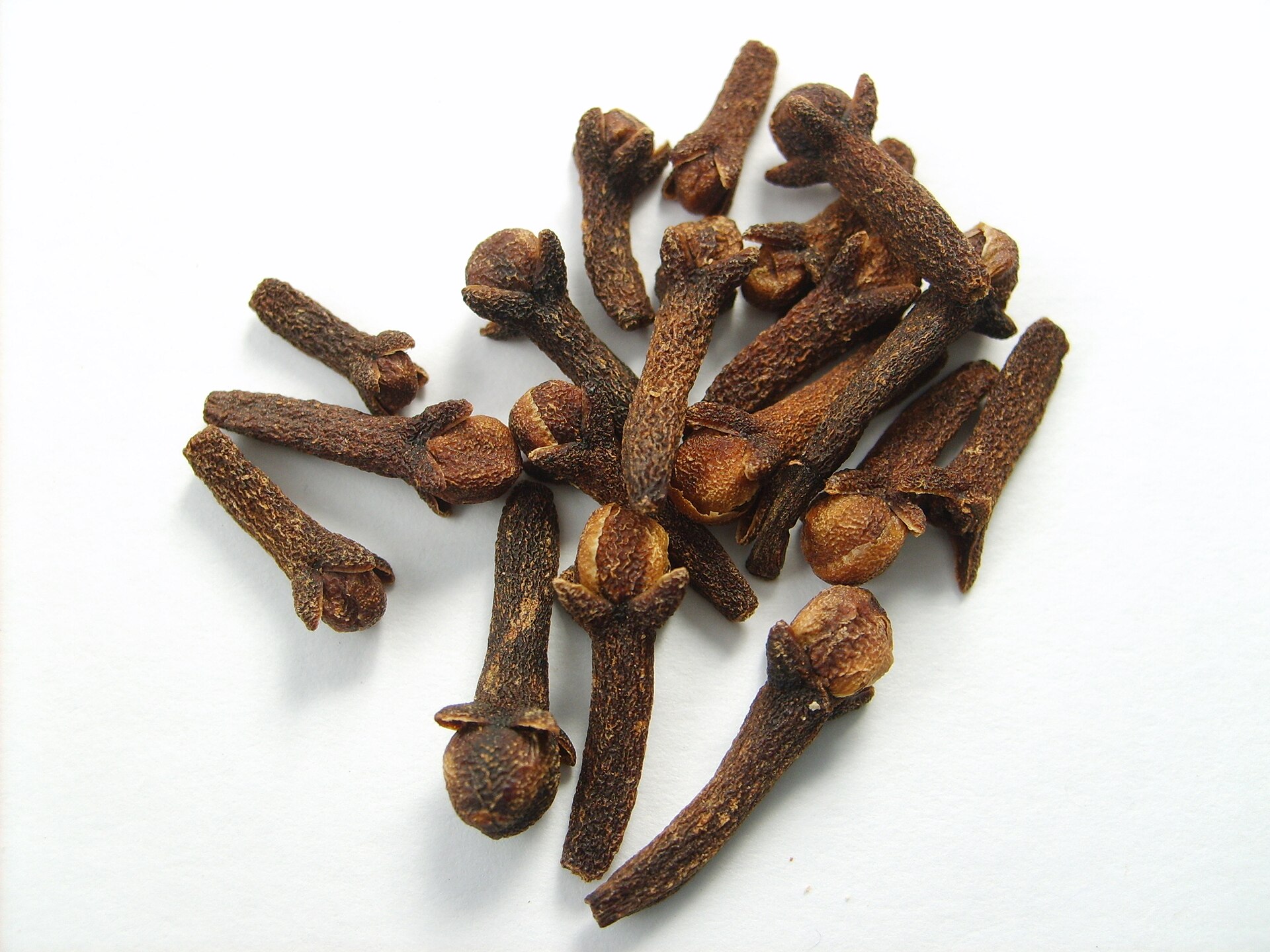
Cloves are the dried flower buds of the clove tree (Syzygium aromaticum). Their strong, warm taste comes mostly from a compound called eugenol. People drink clove water as a warming cup, often after a heavy meal.
This page is the free overview. The full clove profile, with the research, label doses and every medicine interaction, is in the Remedies Vault. See what’s in the Vault →
How to make it
- Hot: add 3 to 5 whole cloves to a cup (8 oz / 250 ml) of just-boiled water. Cover, steep 10 minutes, strain.
- Cold: drop the same cloves into a glass of water, leave it in the fridge overnight, strain in the morning.
- Keep it to about one cup a day, for short stretches. It tastes strong and can numb the mouth a little.
- Use whole cloves from the spice aisle. Never add clove essential oil to drinks.
Why people reach for it
These are traditional uses, passed down in kitchens and folk medicine:
- A heavy, gassy stomach after a big meal.
- A warming cup on a cold, damp day (clove is a classic chai and mulled-drink spice).
- A mouth rinse, a very old use of clove.
- A throbbing tooth before the dentist can see you: biting gently on a whole clove is an old home move. It doesn’t replace the dentist.
What the research says: eugenol has been studied mostly in the lab and in dental products. There is very little research on clove water itself, so think of it as a kitchen tradition, not a treatment.
Check with your doctor or pharmacist first if you…
- are pregnant or breastfeeding (stick to food amounts),
- take blood thinners or anti-platelet drugs such as warfarin, clopidogrel or daily aspirin, or have a bleeding disorder,
- take diabetes medicine (blood sugar may drop),
- have surgery coming up (stop clove extras 2 weeks before),
- have liver or kidney disease, stomach ulcers or a lot of stomach acid.
Children should never be given clove oil. Swallowing clove oil can be dangerous.
Related
- Find a natural remedy by condition
- Natural remedies for heartburn and a heavy stomach
- The parasite guide (clove is one of the three classic herbs)
- Take the free 2-minute detox check
Free remedies by email
Simple natural remedies and detox tips from Clif. Unsubscribe anytime.
Sources
Educational only, not medical advice. This information has not been evaluated by the FDA or Health Canada and is not intended to diagnose, treat, cure, or prevent any disease. Talk to your healthcare provider before starting any remedy, supplement, or detox, especially if you are pregnant, nursing, taking medication, or managing a health condition. Read our full Medical Disclaimer.
Photo: Jorge Barrios via Wikimedia Commons (Public domain)