
Remedy Library
Black seed oil
How people take it, what it is traditionally used for, and the safety notes.
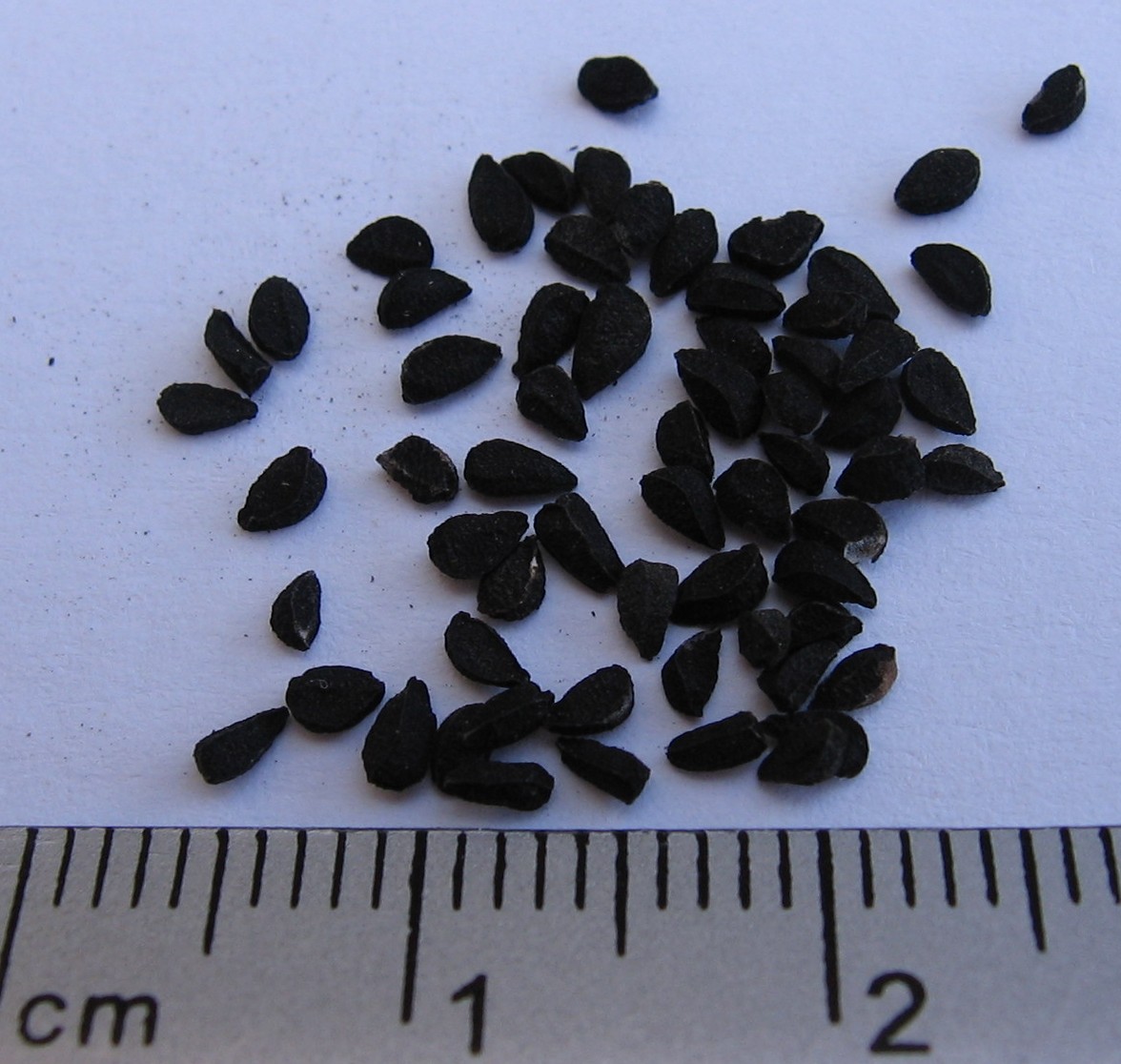
Black seed oil is pressed from the small black seeds of Nigella sativa, also called black cumin or kalonji. It’s one of my most-watched videos, so here is the plain, safe version.
The seeds are a common spice in Middle Eastern and South Asian cooking, and the oil has a long history in traditional medicine. Its main studied compound is thymoquinone.
This page is the free overview. The full black seed oil profile, with the research, label doses and every medicine interaction, is in the Remedies Vault. See what’s in the Vault →
How people use it
- As a spice: whole seeds on bread, in curries, or lightly toasted on salads.
- Oil by the spoon: many people take about ½ to 1 teaspoon a day, often mixed with honey, warm water or food, because the taste is strong and peppery.
- Softgels: follow the product label, and choose a brand with a USP or NSF seal.
- On the skin: test a small patch first, since skin rashes have been reported.
Start small, take it with food, and use it for a few weeks at a time rather than indefinitely.
What it is traditionally used for
In traditional medicine, black seed has been used for:
- digestion and a gassy or upset stomach,
- coughs, colds and the seasonal sniffles,
- skin care, applied as an oil.
What the research says: there are some small human studies, for example on blood sugar, cholesterol and blood pressure, but they are short and mixed. It is not a replacement for any medicine, so think of it as a traditional food and supplement, not a treatment.
- are pregnant (food amounts only) or breastfeeding,
- take diabetes medicine (blood sugar may drop too low) or blood pressure medicine,
- take blood thinners such as warfarin, or have a bleeding disorder,
- take immune-suppressing medicines (for example after a transplant) or sedatives,
- have surgery planned (stop at least 2 weeks before),
- take any other prescription medicine, since it may change how some are broken down.
For children, use it only with a doctor’s guidance. Common side effects are an upset stomach and, on the skin, rashes.
Related
- Find a natural remedy by condition
- Natural ways to support steady blood sugar
- Natural immune support
- Take the free 2-minute detox check
Free remedies by email
Simple natural remedies and detox tips from Clif. Unsubscribe anytime.
Sources
Educational only, not medical advice. This information has not been evaluated by the FDA or Health Canada and is not intended to diagnose, treat, cure, or prevent any disease. Talk to your healthcare provider before starting any remedy, supplement, or detox, especially if you are pregnant, nursing, taking medication, or managing a health condition. Read our full Medical Disclaimer.
Photo: TheGoblin via Wikimedia Commons (CC BY-SA 3.0)