Blood sugar (glucose) is your body’s main fuel. When it runs high for a long time, it can lead to prediabetes and then type 2 diabetes, often with no clear symptoms at first. The good news is that everyday habits have strong evidence for keeping blood sugar steadier. This page covers those steps, the remedies people traditionally use, and when to get tested. If you’ve already been diagnosed with diabetes, see the Type 2 Diabetes page too.
Get medical help first if…
- you feel confused, very drowsy, are vomiting, breathing fast, or have fruity-smelling breath. These can be signs of dangerously high blood sugar. Get emergency care.
- you take diabetes medicine and feel shaky, sweaty, dizzy or confused (possible low blood sugar). Follow your care plan (often 15 g of fast sugar, then recheck), and call 911 if it doesn’t improve or the person can’t swallow safely.
- you’re very thirsty, urinating a lot, have blurry vision, slow-healing sores or are losing weight without trying
- you’re over 40, carry extra weight, had diabetes in pregnancy, or it runs in your family, and haven’t had an A1C or fasting glucose test recently
Everyday steps with the best support
- Move most days, about 150 minutes a week. A 10–15 minute walk after meals is an easy habit that helps with the after-meal rise.
- If you carry extra weight, losing even 5–7% of your body weight, together with regular activity, cut the chance of prediabetes turning into type 2 diabetes by more than half in a large US study.
- Build meals around fibre: vegetables, beans, lentils, whole grains, nuts and seeds. Pair carbs with protein or healthy fat.
- Cut back on sugary drinks (pop, sweet coffee drinks, juice). Water, sparkling water and unsweetened tea are better everyday choices.
- Add some strength exercise 2 days a week. Muscle is a big user of blood sugar.
- Sleep 7–9 hours when you can. Short sleep makes blood sugar harder to manage.
- Know your numbers: ask your doctor about an A1C test, and re-test as advised.
Remedies people traditionally use
These have a long history of traditional use. Research on them is limited or mixed, so think of them as extras alongside the everyday steps and your doctor’s advice, not replacements.
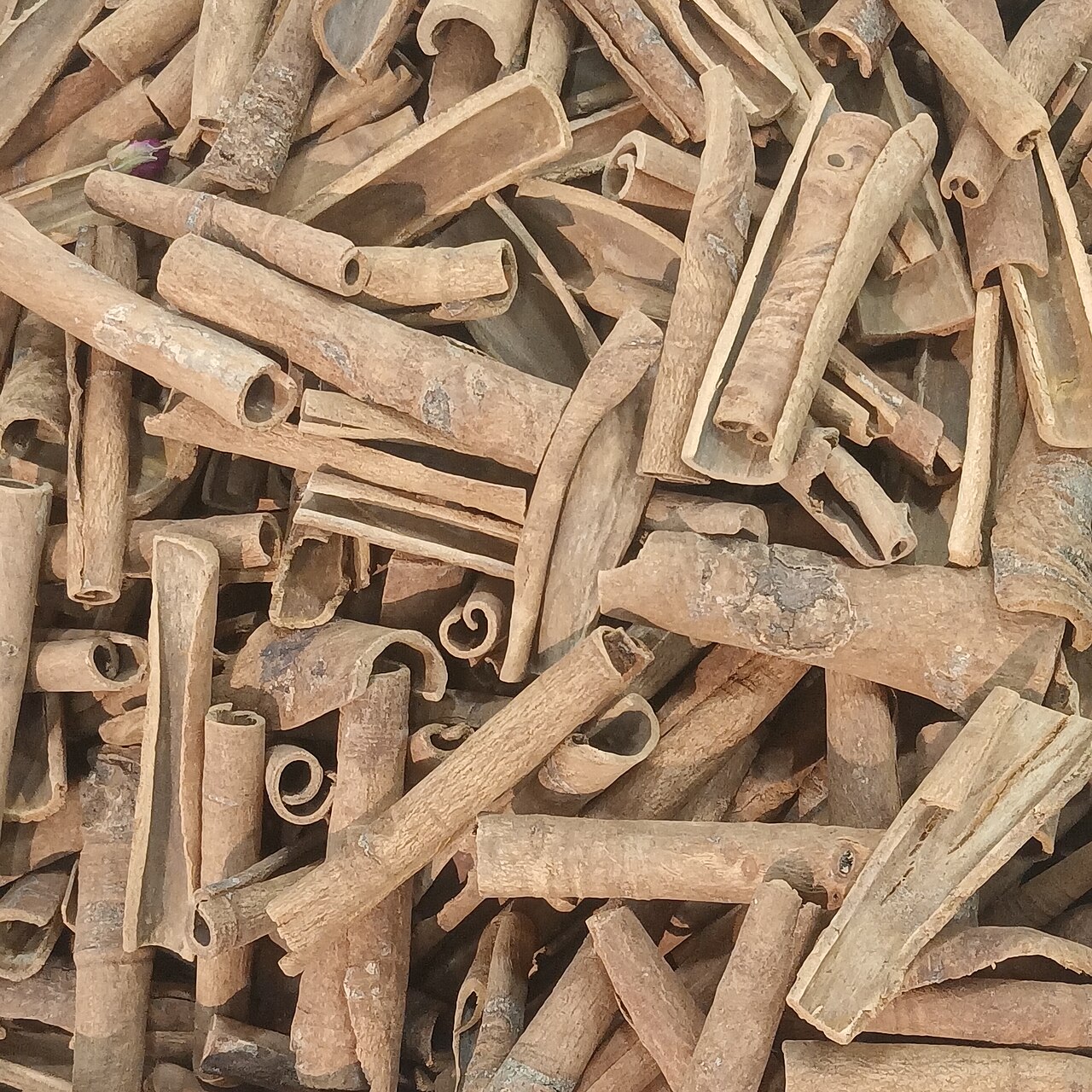
- Cinnamon: used in cooking for centuries; studies on blood sugar are mixed. Common “cassia” cinnamon contains coumarin, which can harm the liver in large amounts, so keep supplements modest and short-term.
- Bitter melon: a traditional vegetable and remedy in Asian and Caribbean cooking. Evidence is limited. It can push blood sugar down alongside medication and isn’t for pregnancy.
- Fenugreek: fibre-rich seeds used in traditional medicine; a few small studies suggest a modest effect. Avoid in pregnancy, and take care if you’re allergic to peanuts or chickpeas.
- Berberine: a compound from plants like goldenseal and barberry. It has more research than most, but it interacts with many medicines, often upsets the stomach, and isn’t for pregnancy, nursing or infants.
- Apple cider vinegar: a tablespoon or two diluted in water with a meal is a traditional habit; small studies show a modest effect on after-meal sugar. Undiluted vinegar can harm teeth and the throat.
Worth knowing: if you take insulin or pills that lower blood sugar, adding herbs or supplements that also lower it can cause low blood sugar. Tell your care team what you take, and check your sugar more often if you add something new.
Check with your doctor or pharmacist before starting anything new, especially if you’re pregnant, nursing, on medication or managing a health condition.
A third-party guide (affiliate)
Some readers ask for a supplement-based program. This one is sold by an outside company.
Sponsored link. If you buy through it, Clif may earn a commission at no extra cost to you. The claims on the seller’s page are theirs, not ours, and haven’t been checked by us. It’s not a substitute for seeing your doctor.
Related
- Type 2 Diabetes
- Metabolism & Weight
- The Structured Detox Method: start with the everyday basics first
- Back to the Remedy Library
Sources
- NIDDK: Insulin Resistance & Prediabetes
- CDC: National Diabetes Prevention Program
- NCCIH: Diabetes and Dietary Supplements
- NCCIH: Cinnamon
Affiliate notice: this page contains affiliate links. If you buy through them we may earn a commission at no extra cost to you. How we choose products.
Educational only, not medical advice. This information has not been evaluated by the FDA or Health Canada and is not intended to diagnose, treat, cure, or prevent any disease. Talk to your healthcare provider before starting any remedy, supplement, or detox, especially if you are pregnant, nursing, taking medication, or managing a health condition. Read our full Medical Disclaimer.