“Metabolism” is all the ways your body turns food into energy. It’s shaped by your muscle, age, sleep, hormones and daily movement, and it can’t be switched to “fast” by one food or pill. What does help is a handful of steady habits. This page covers the everyday steps with the best support for a healthy weight and energy, the remedies people traditionally use, and when to get checked.
Get medical help first if…
- you get a racing or pounding heartbeat, chest pain or fainting, especially after starting a “fat-burning” or energy product. Stop it and get help; call 911 for chest pain.
- you’re gaining or losing weight without trying, or you’re always tired, cold, or losing hair. Ask about a thyroid and blood test.
- weight gain comes with swelling in the legs or belly, or shortness of breath
- food, eating or your weight is causing you a lot of worry. Your doctor is a good first person to talk to.
Everyday steps with the best support
- Eat protein at each meal (eggs, fish, chicken, beans, lentils, tofu, yogurt). It keeps you full and helps protect muscle.
- Fill up on fibre: vegetables, fruit, beans and whole grains.
- Cut back on sugary drinks and ultra-processed snacks. They’re easy to overeat.
- Do strength exercise 2–3 times a week. Muscle is your body’s biggest everyday energy user.
- Move more through the day: walking, stairs, standing breaks. About 150 minutes a week of activity is the baseline.
- Sleep 7–9 hours. Short sleep increases hunger and cravings.
- Go at a steady pace. About 0.5–1 kg (1–2 lb) a week is a realistic goal. Some medicines cause weight gain, so ask your doctor if you suspect yours.
Remedies people traditionally use
These have a long history of traditional use. Research on them is limited or mixed, so think of them as extras alongside the everyday steps and your doctor’s advice, not replacements.
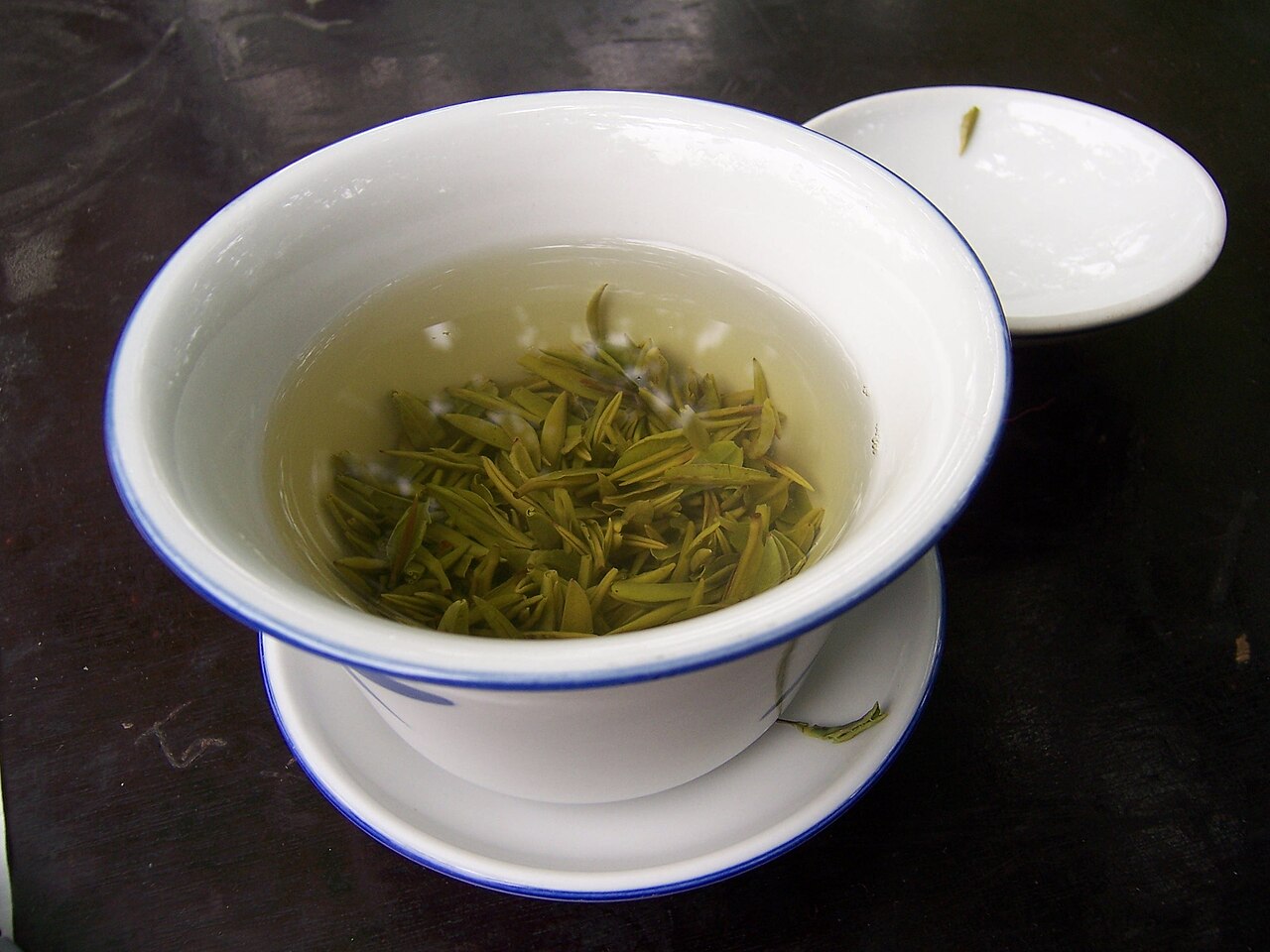
- Green tea: a traditional daily drink. Its caffeine and plant compounds may have a very small effect on energy use. Concentrated green tea extract pills have been linked to rare liver injury, so the tea itself is the safer choice.
- Coffee: caffeine gives a small, short-lived boost to energy use. Most healthy adults should stay under about 400 mg of caffeine a day (roughly 3 cups of brewed coffee), and less in pregnancy.
- Ginger: a warming spice used in many traditions; small studies suggest it may help with fullness. Fine in food; check with your pharmacist before supplements if you take a blood thinner.
- Apple cider vinegar: a tablespoon or two diluted in a large glass of water with a meal. Studies are small. Don’t drink it straight: it can harm teeth and the throat.
- Chili peppers: capsaicin (the heat in chilies) may slightly raise energy use and reduce appetite. A food habit, not a weight-loss tool on its own.
Worth knowing: “fat burner” and weight-loss supplements often rely on large amounts of caffeine or other stimulants, and some tested products have been found to contain hidden drugs. Be careful with any product promising fast weight loss, and avoid stimulant products if you have heart problems, high blood pressure or anxiety, or are pregnant.
Check with your doctor or pharmacist before starting anything new, especially if you’re pregnant, nursing, on medication or managing a health condition.
Third-party products (affiliate)
Some readers ask about drink-mix products. These are sold by outside companies. Check the caffeine and ingredient lists with your pharmacist first.
Sponsored link. If you buy through it, Clif may earn a commission at no extra cost to you. The claims on the seller’s page are theirs, not ours, and haven’t been checked by us. It’s not a substitute for seeing your doctor.
Related
- Blood Sugar
- Liver Health
- The Structured Detox Method: start with the everyday basics first
- Back to the Remedy Library
- Intermittent fasting: what the evidence says
- Apple cider vinegar: what the evidence says
Sources
- NIDDK: Weight Management
- NIH Office of Dietary Supplements: Dietary Supplements for Weight Loss
- NCCIH: Green tea
- Health Canada: Caffeine in foods
Affiliate notice: this page contains affiliate links. If you buy through them we may earn a commission at no extra cost to you. How we choose products.
Educational only, not medical advice. This information has not been evaluated by the FDA or Health Canada and is not intended to diagnose, treat, cure, or prevent any disease. Talk to your healthcare provider before starting any remedy, supplement, or detox, especially if you are pregnant, nursing, taking medication, or managing a health condition. Read our full Medical Disclaimer.