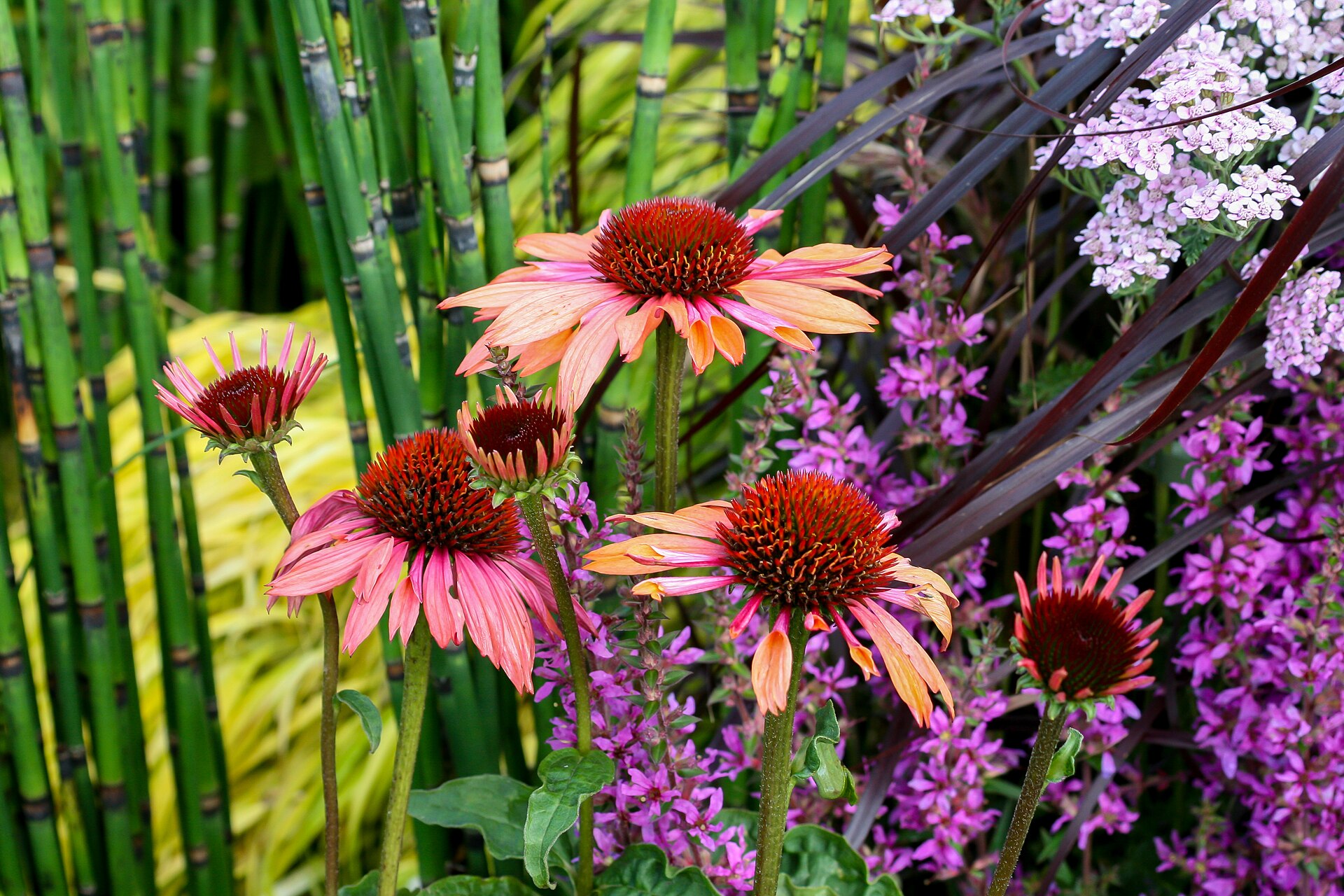
A prairie wildflower that Plains nations used for sore throats, toothache and wounds long before it became Europe’s best-known cold remedy. Here’s what tradition says, what the research shows, and who should skip it.
Similar Posts
Ajwain (Carom Seed)
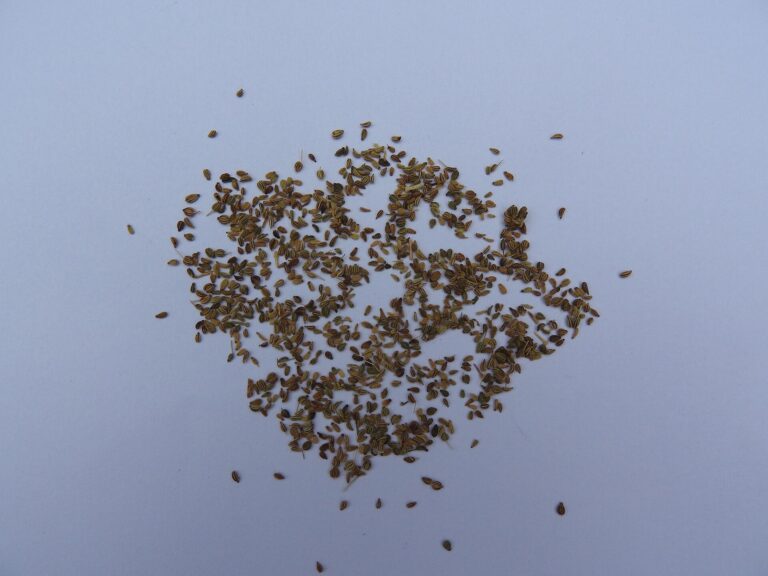
Ajwain is the tiny, thyme-scented seed that goes into Indian breads, pakoras and bean dishes, and it's one of Ayurveda's and Unani medicine's best-known kitchen remedies for wind and indigestion. Here's what those traditions use it for, what little research there is, how it's taken, and why it's a firm no in pregnancy.
Artichoke Leaf
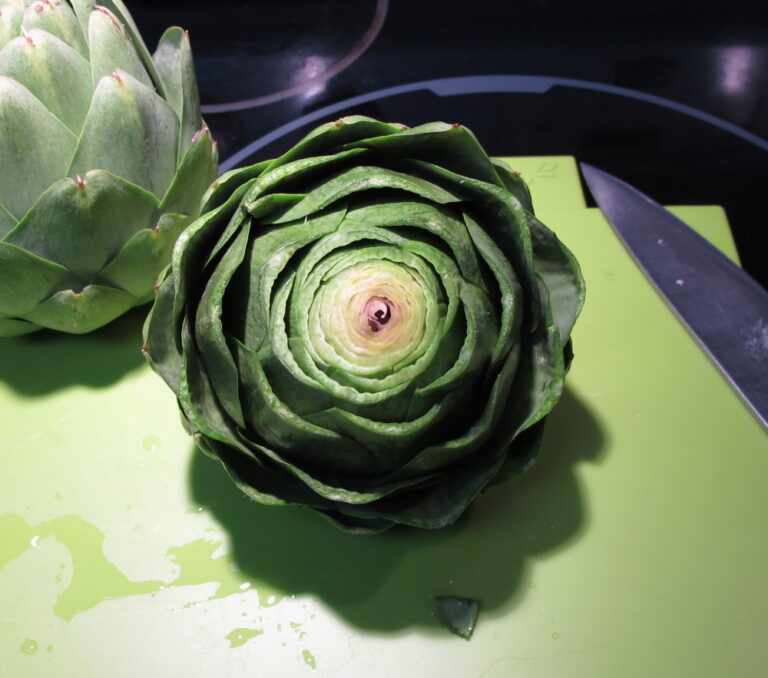
Artichoke leaf is the bitter green leaf of the globe artichoke, a European digestive herb that people use to support bile flow and the liver. Members get the full entry: what the human studies show, typical amounts from the official European monograph, and who should skip it (especially anyone with gallstones).
Lemon
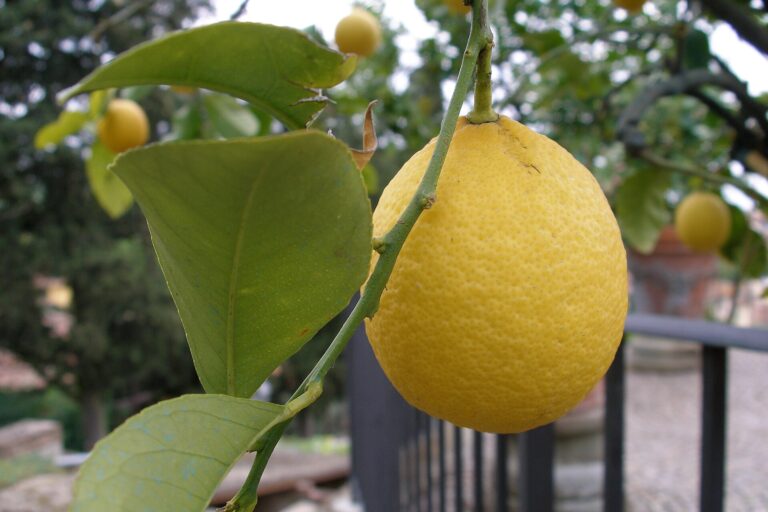
Warm lemon water is probably the most familiar morning "detox" ritual there is. Here's what lemon brings to the glass (citrate, vitamin C, a reason to drink more water), what it doesn't do, and how to keep it gentle on your teeth.
Mullein
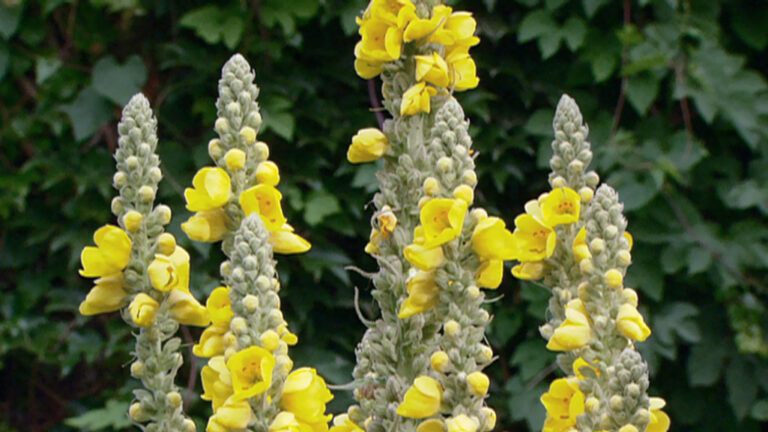
Mullein is the tall, velvety roadside plant that peoples from Spain to Turkey to the Canadian Interior have turned to for tight, irritated chests. Members can read every traditional use, how its soothing compounds are believed to work, and what the small body of research shows.
Clove
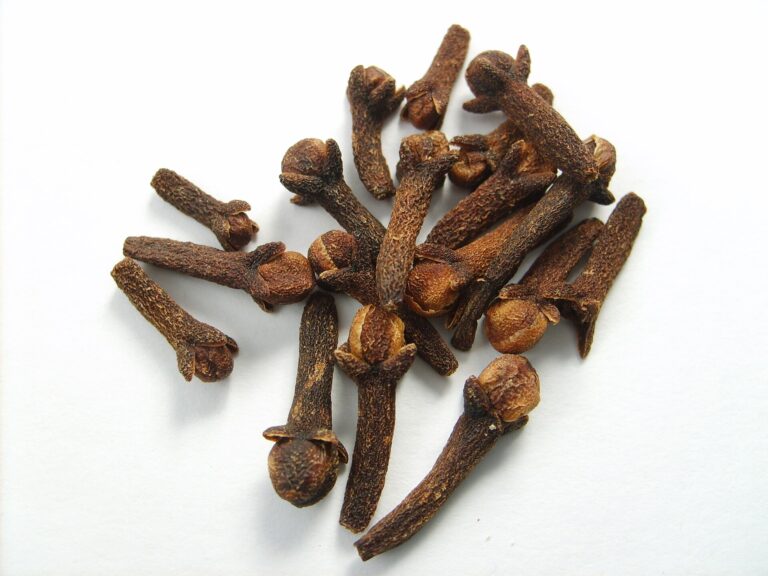
Clove is the warming kitchen spice that rounds out the classic three-herb parasite cleanse, alongside black walnut and wormwood. Members can read what the research really shows, what product labels list, and why clove oil is a very different thing from ground clove.
B-Complex
A B-complex bundles the eight B vitamins your body uses to turn food into energy and keep nerves and blood healthy. Here's what each one does, who tends to run low, what the research on stress and energy shows, and why "more" on the label isn't always better.