In Ayurveda, a small morning-glory with conch-shaped flowers is one of the four classic “mind tonics”, given to students before exams and to anyone whose thoughts won’t settle. Here’s the long story of shankhapushpi, what people use it for today, and what to know before you try it.

Similar Posts
Zinc
Zinc is a trace mineral your body uses in hundreds of enzymes, from immune cells to skin repair. Here's how traditional medicine and naturopaths use it, what the research shows, and why more isn't better.
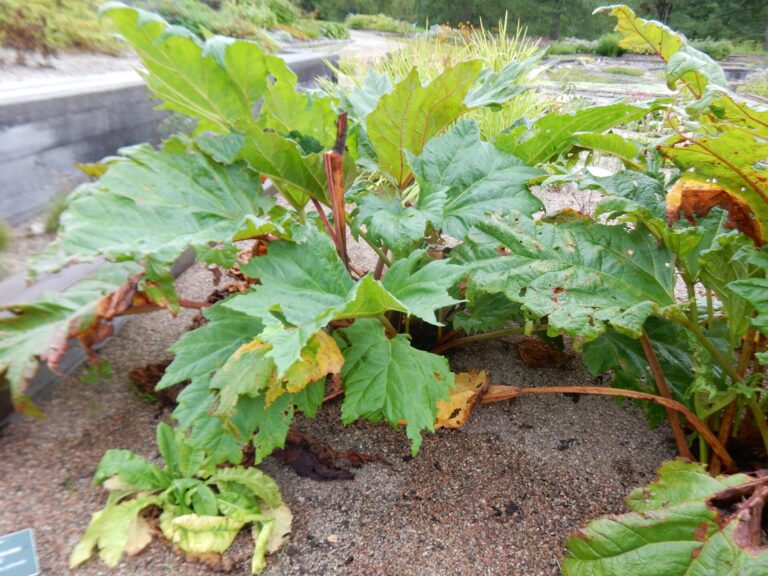
Rhubarb Root
Chinese rhubarb root is a strong stimulant laxative herb with a 2,000-year history in Chinese medicine. Europe's herbal regulators allow it only for short-term use, and it isn't for everyone; here's what members need to know before trying it.
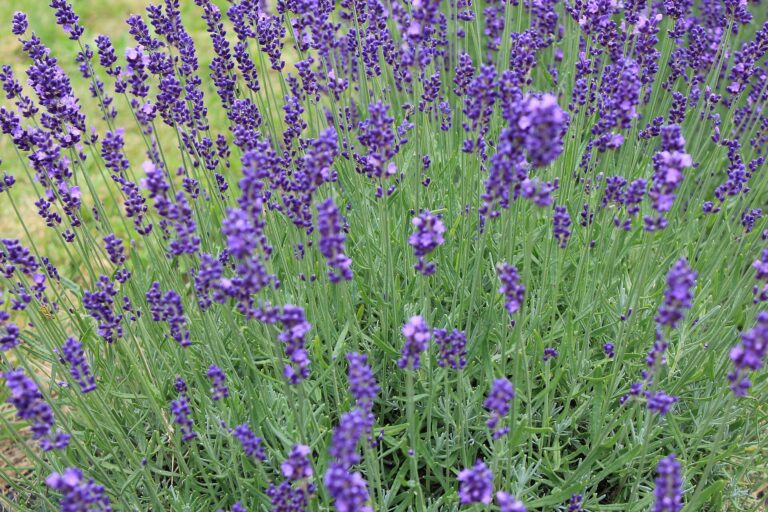
Lavender
Lavender is the classic calming flower, sipped as a gentle evening tea, added to baths and breathed in from the oil. In Europe the flower tea is an approved traditional remedy for mild stress and to help with sleep.
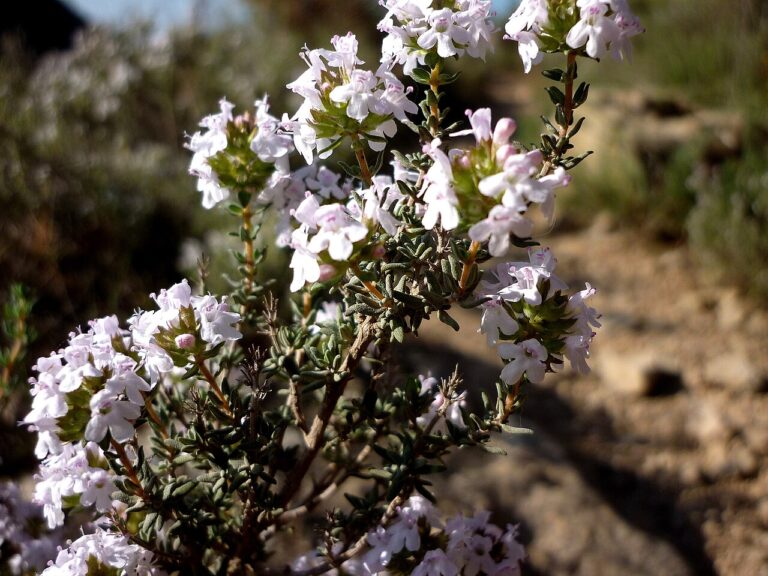
Thyme
The kitchen herb behind many old-fashioned cough syrups and mouthwashes. Thyme has been used for chesty coughs, sore throats and digestion since ancient Greece, and it's still an approved traditional cough remedy in Europe.
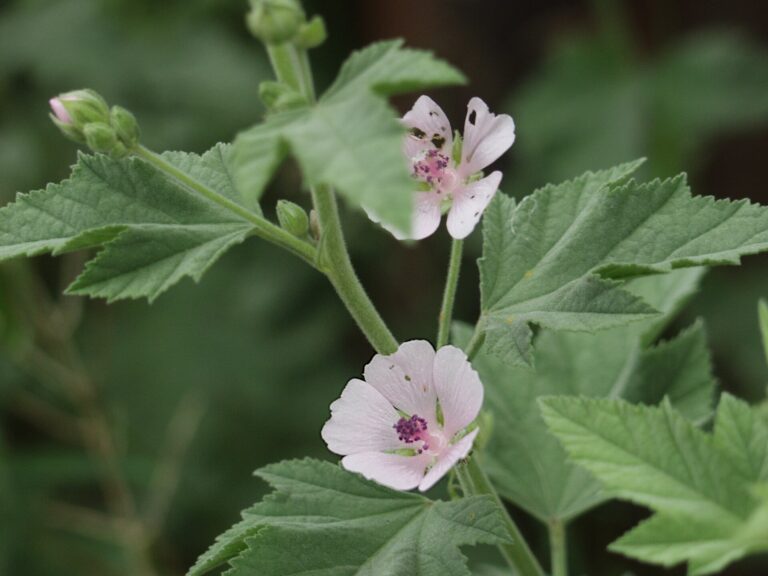
Marshmallow Root
Marshmallow root (the plant, not the candy) is a soft root that turns slippery in water. Herbalists have used it for over 2,000 years to soothe the throat and an irritated gut. Members can read what the research really shows, the typical amounts in the European monograph, and the medicine-timing point to know first.
Celery Seed
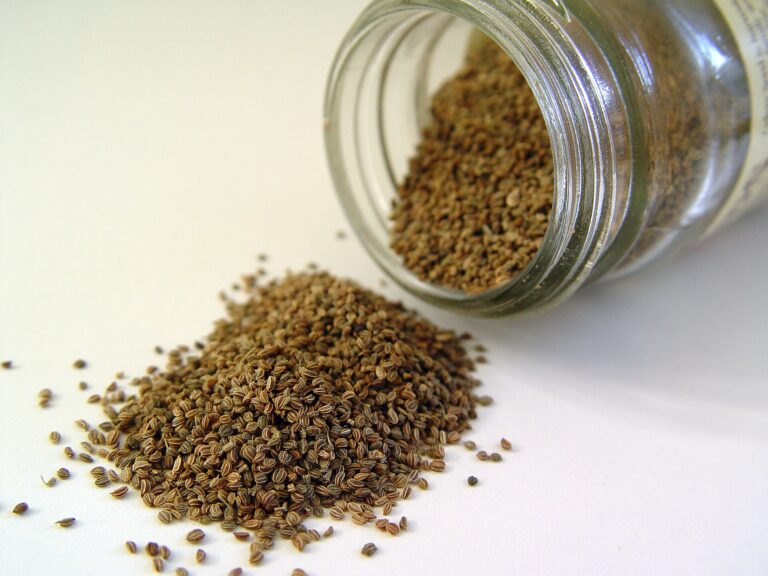
The tiny seeds of the celery plant were an old European and Middle Eastern remedy for gout, sore joints and sluggish kidneys, and a celery seed extract has now had a small blood-pressure trial. This profile covers what's known, and why celery allergy and pregnancy are the big cautions.