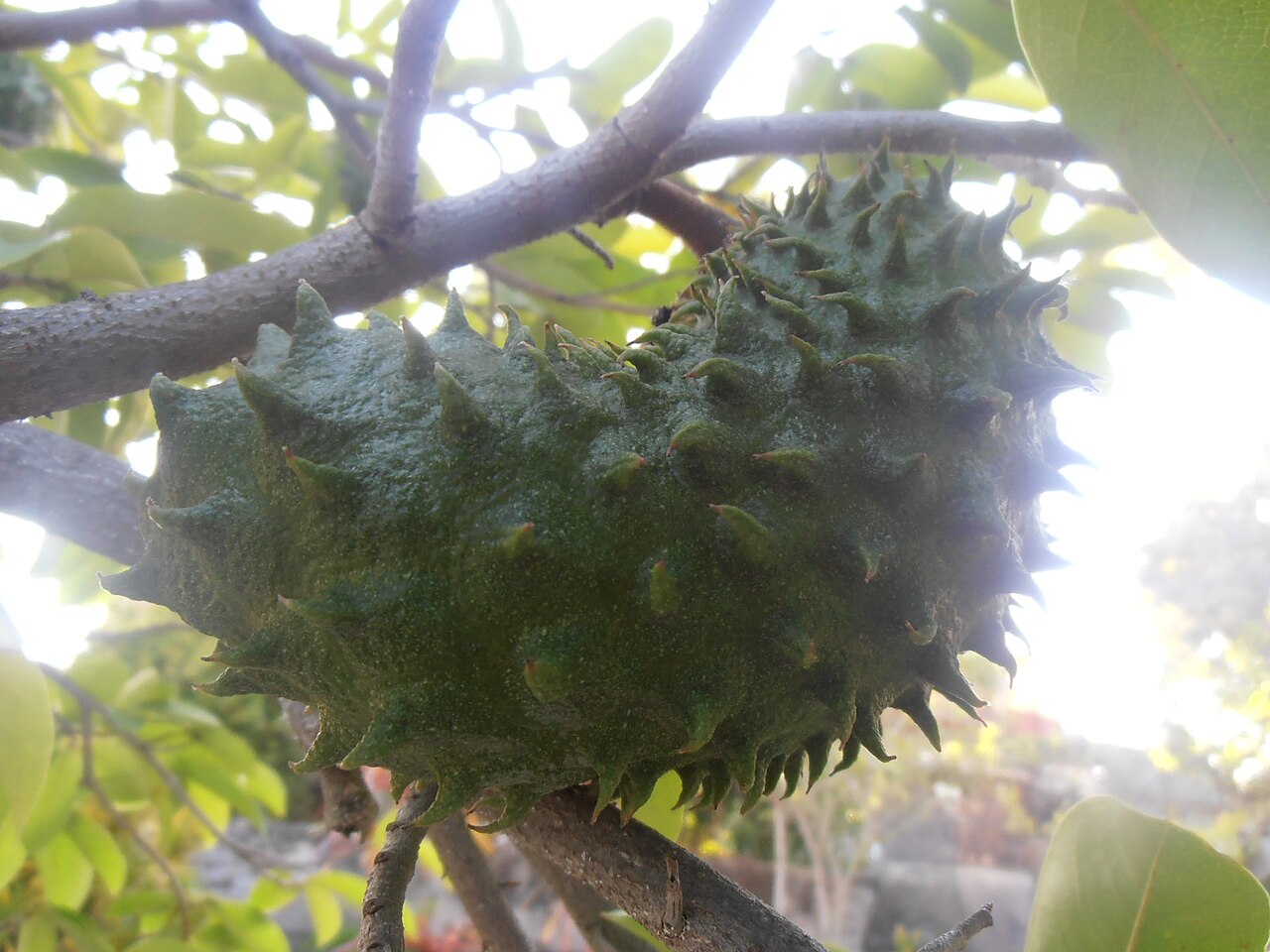
A tropical fruit tree whose leaves have been brewed as a folk tea across the Caribbean, Latin America and Africa for generations. Here’s what tradition says, what the research has (and hasn’t) shown, and the safety points every user should know first.
Similar Posts
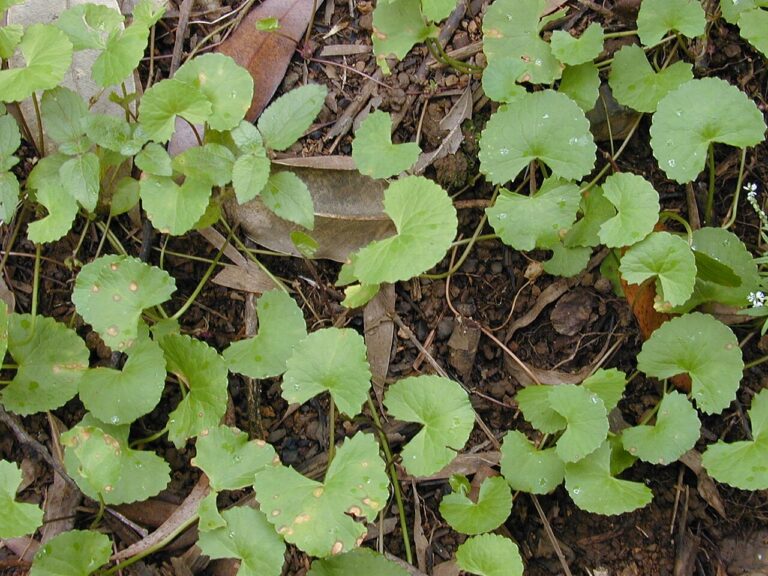
Gotu Kola
A small creeping plant from the carrot family, prized in Ayurveda as a "medhya rasayana", a tonic for the mind, and across Asia for skin, wounds and longevity. Sri Lankan tradition held that eating the leaves helped people live longer.
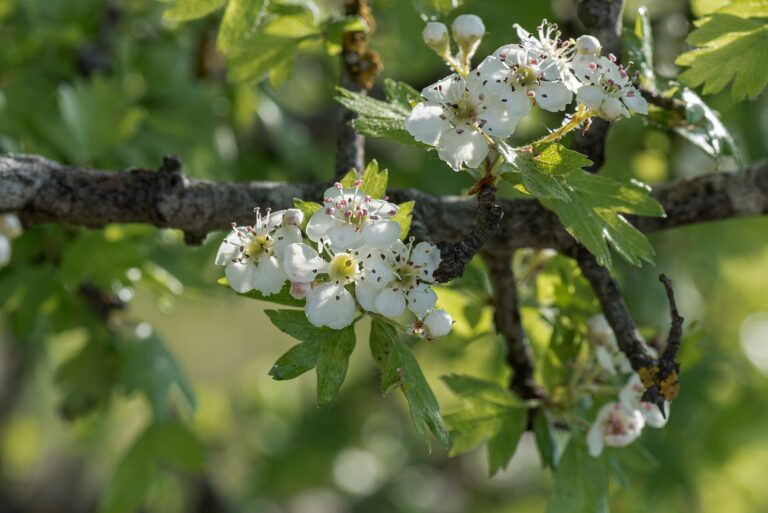
Hawthorn
For nearly 2,000 years hawthorn has been Europe's best-known heart herb, and in Chinese medicine its tart red fruit is a classic digestive. Here's what tradition uses it for, what the studies show, and why anyone on heart medicine needs to check before taking it.
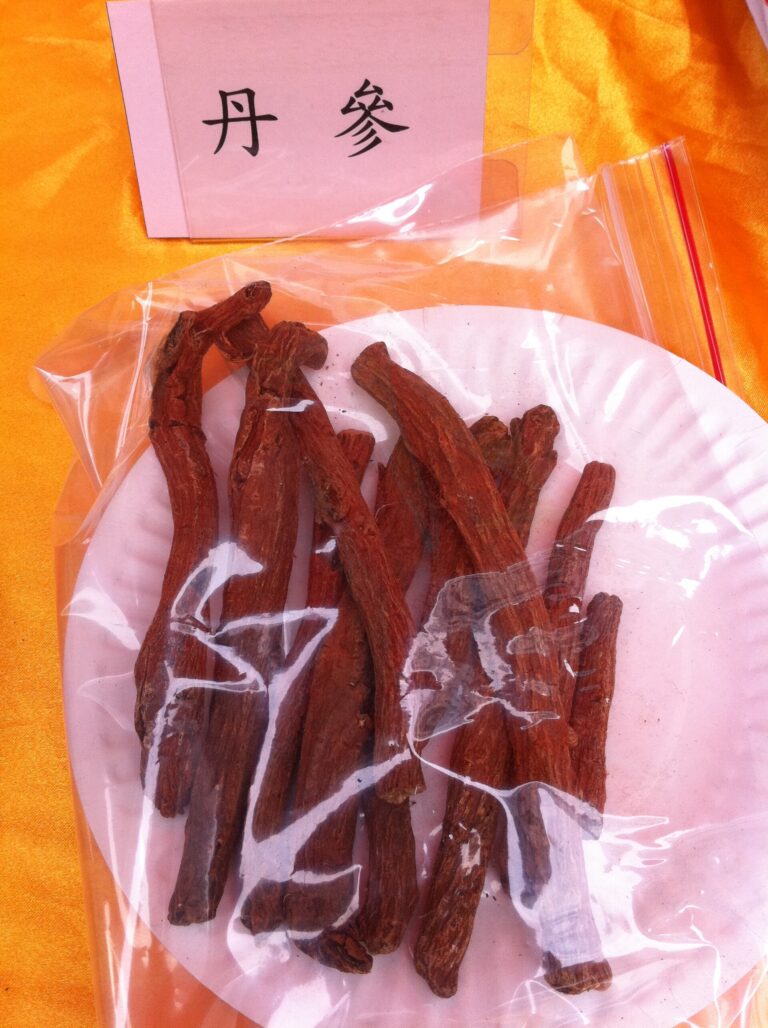
Danshen (Safety Profile)
Danshen, the red root of a Chinese sage, is one of the most-used herbs in Chinese medicine for the heart and circulation. It also thins the blood, which makes it one of the riskiest herbs to mix with warfarin and other blood thinners.
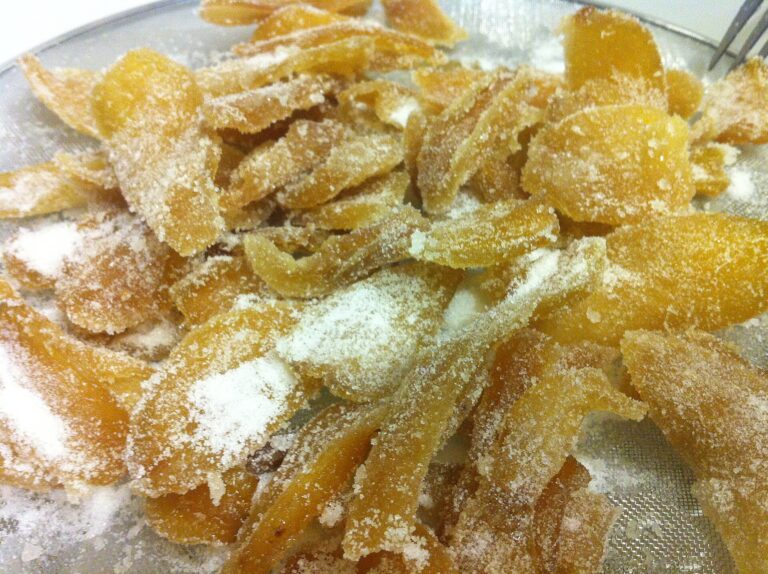
Nausea: natural options
Ginger, wrist acupressure, a sniff of an alcohol swab, cold sips and dry crackers: some nausea remedies have real trials behind them and others are mostly tradition. This entry sorts them by evidence and lists the signs that mean nausea needs a doctor, not a cup of tea.
Evening Primrose
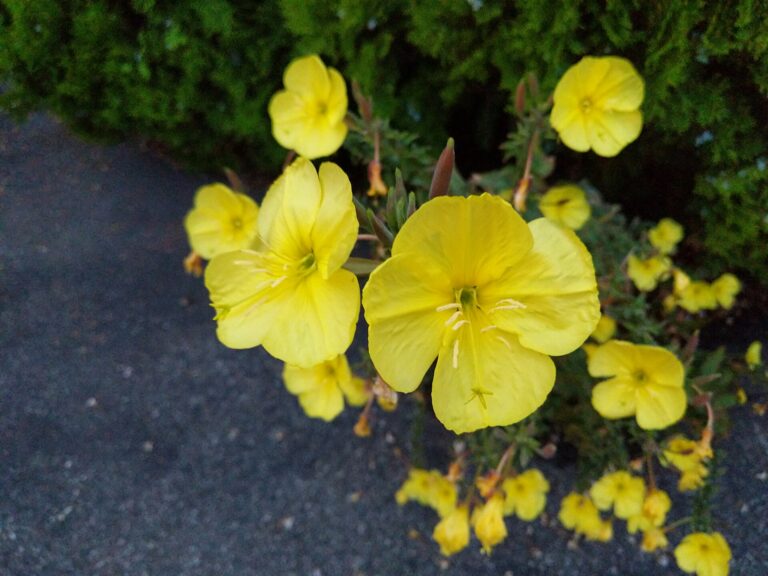
Evening primrose is a tall North American wildflower whose yellow blooms open at dusk. Indigenous peoples ate its roots and greens and used it on bruises and sore skin, and today its seed oil is one of the best-known "women's" and skin supplements.
Sauna
Sweating it out in a sauna is one of the oldest cleansing rituals there is. Here's what sweat really carries out of the body, what decades of Finnish research found about heart health, and who should check with a doctor before stepping into the heat.