In 1618 an English farmer found that cattle on Epsom Common wouldn’t drink from a bitter pool. The salt left behind became one of the best-known home remedies of the next 350 years. Here’s how people use magnesium today for sleep, muscles, headaches and regularity, what the studies found, and the safety limits that matter.
Similar Posts
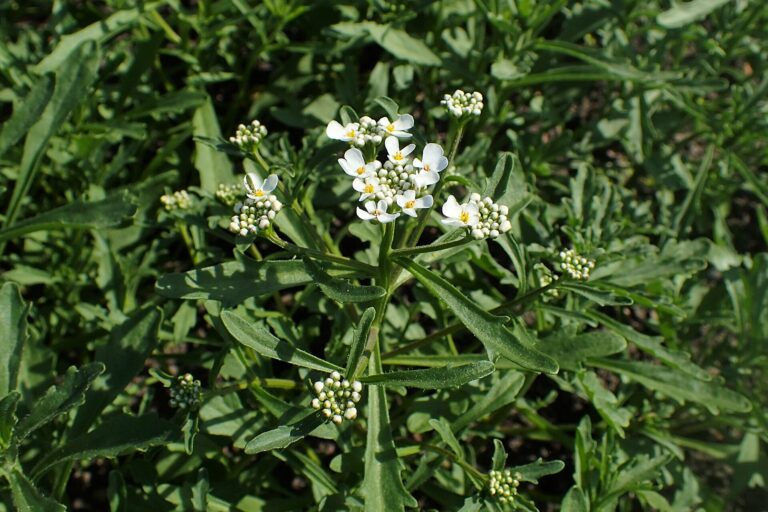
Bitter Candytuft
A small, bitter garden flower from the cabbage family. It's the lead herb in Germany's best-known stomach drops, a multi-herb formula that has been studied for bloating, fullness and IBS-type discomfort.
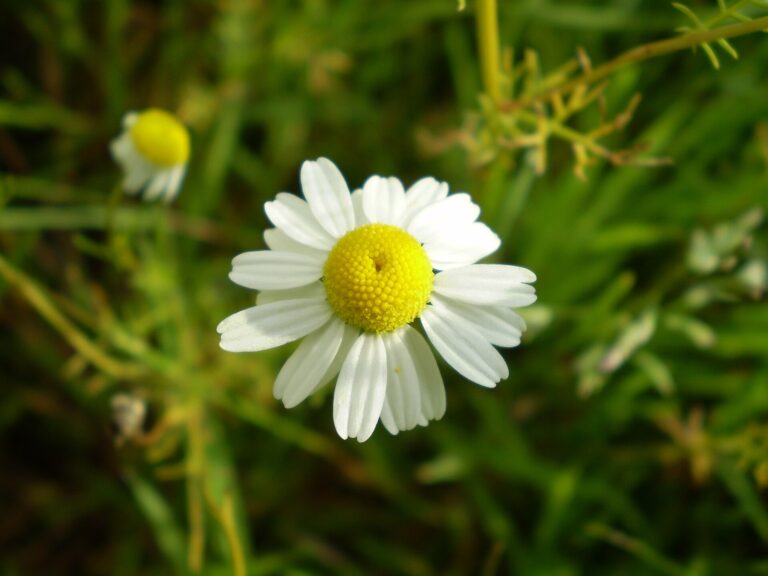
Chamomile
One of the oldest and gentlest herbs in the world, with more than a million cups of its tea drunk every day. Here's how tradition uses chamomile for nerves, sleep, digestion, mouth and skin, what the research shows, and the one allergy to watch for.
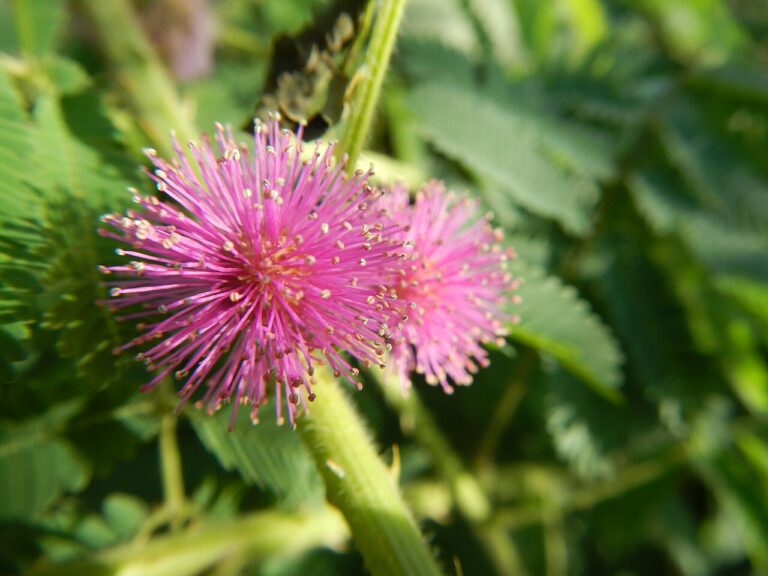
Mimosa Pudica Seed
Mimosa pudica, the "sensitive plant" whose leaves fold shut when touched, has become one of the most talked-about parasite-cleanse seeds online. Members get the full entry: its Ayurvedic and folk history, what the lab studies do and don't show, what labels list, and the safety gaps to know before trying it.
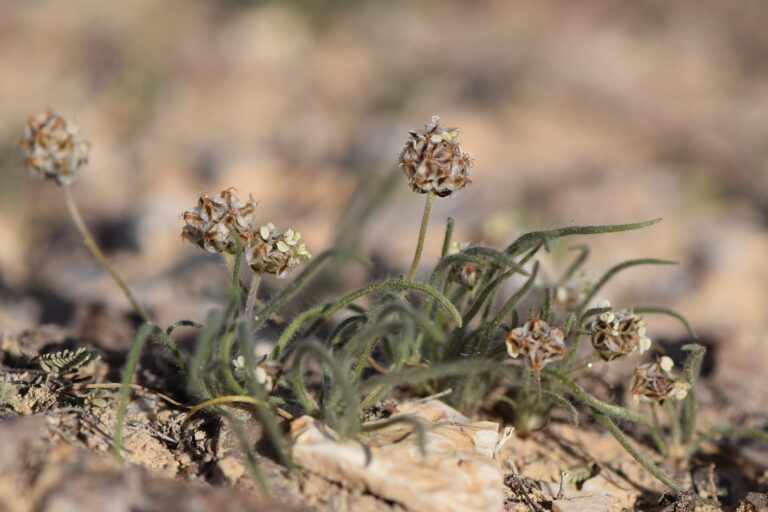
Psyllium (Isabgol)
Psyllium, known in India as isabgol, is the plant fibre behind many everyday fibre supplements, and it has some of the strongest research of any herb in the vault. Here's how traditions use it, what the newest guidelines say, and how to take it safely.
Hibiscus
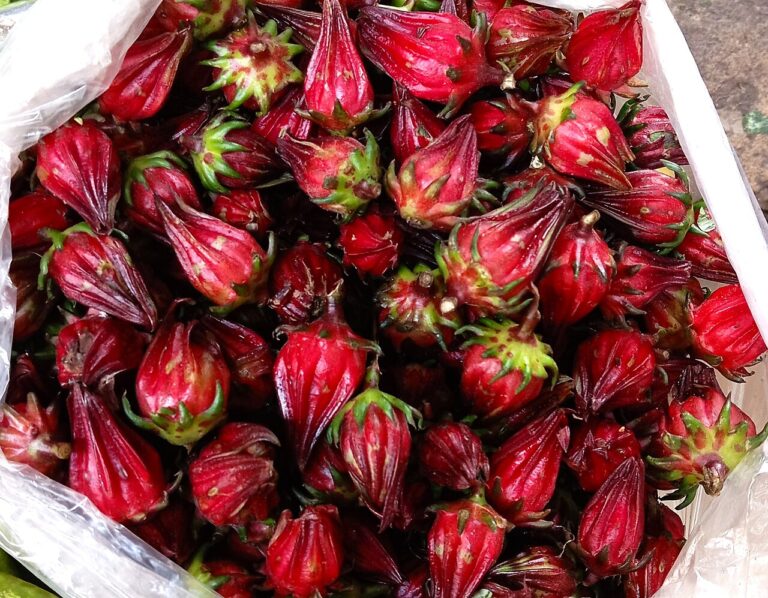
Tart, ruby-red hibiscus tea is drunk hot or iced from Egypt to Mexico and is one of the most-studied herbal teas for heart wellness. Here's what traditions use it for, what the trials show, how people brew it, and who should check first.
Milk Thistle
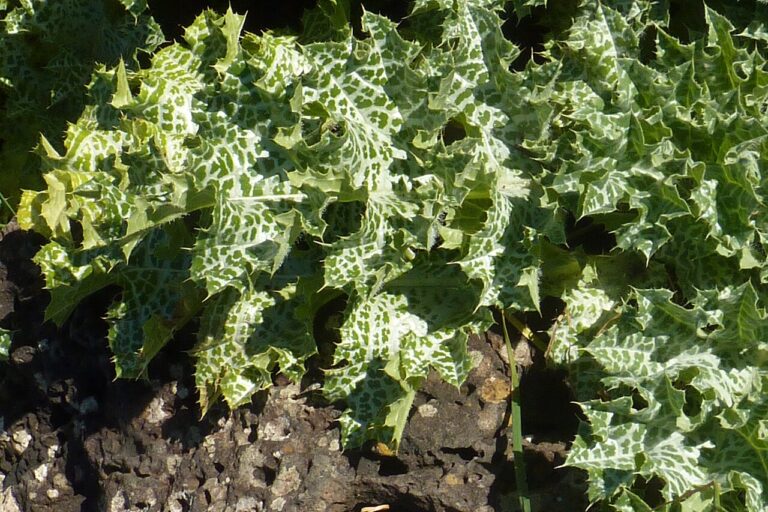
Milk thistle has been the go-to liver herb in Europe for about 2,000 years, from Roman writers to today's naturopaths. Members can read how it's believed to protect liver cells, what the newer fatty liver studies found, and its old reputation for nursing mothers.