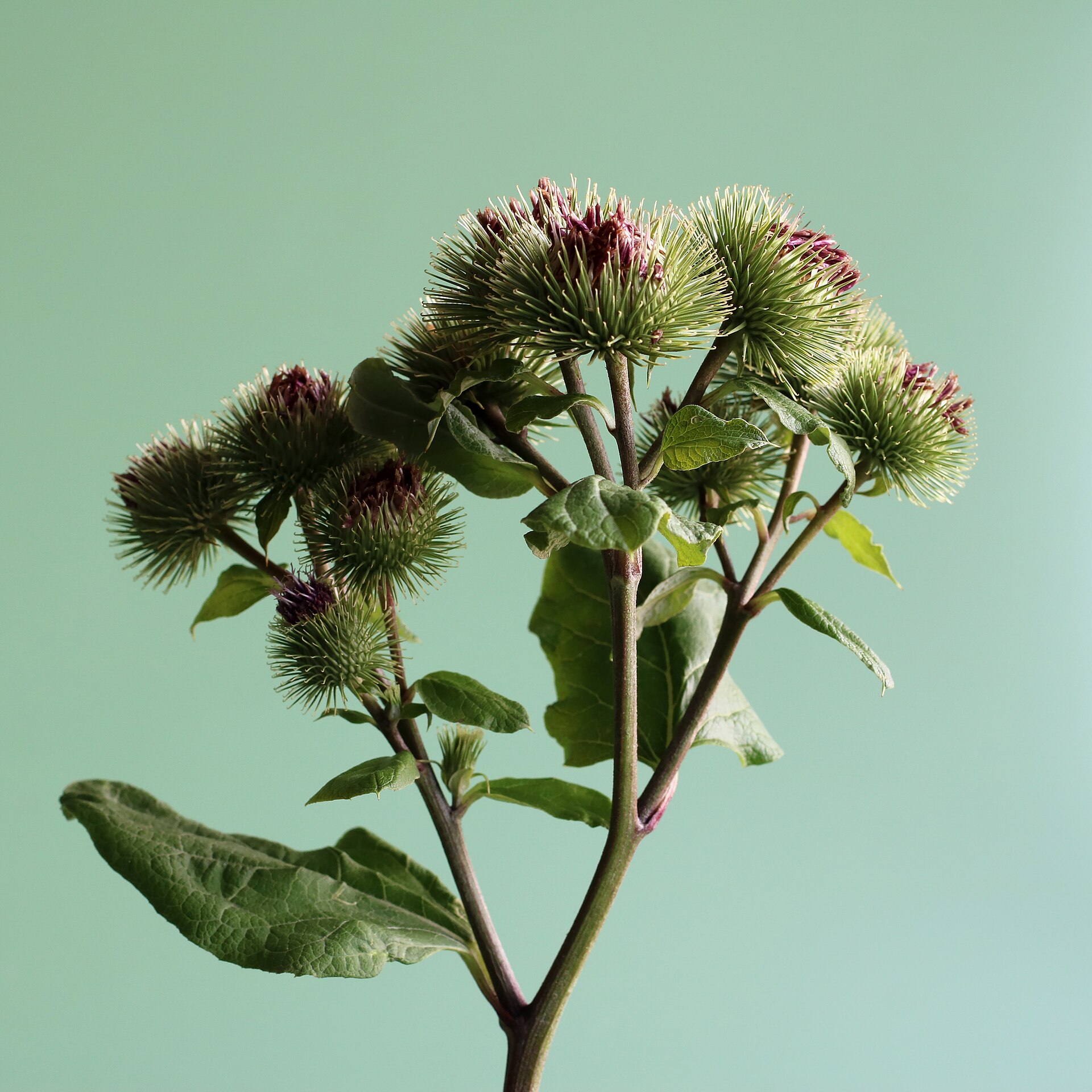
Burdock root is an edible root that herbalists have long called a “blood purifier”, traditionally used to support the body’s own exit routes through the kidneys and skin. Members can read what the research does and doesn’t show, typical amounts from official herbal monographs, and who should skip it.
Similar Posts
Mimosa Pudica Seed
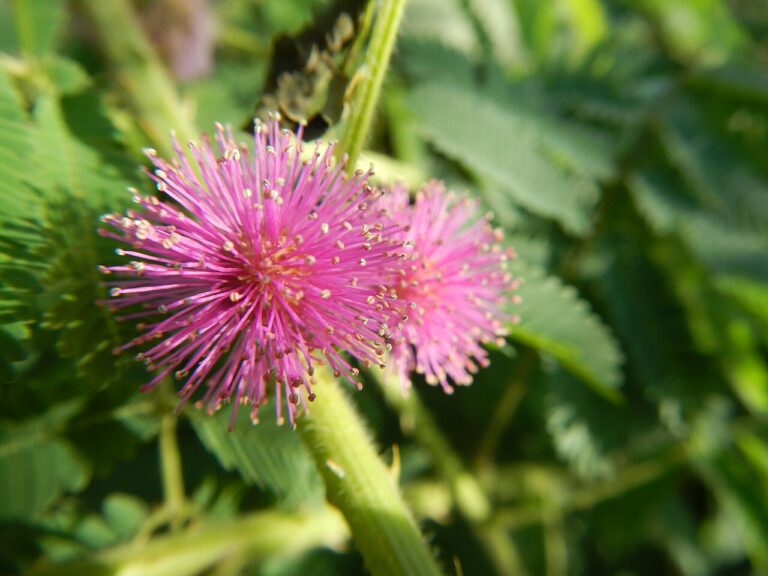
Mimosa pudica, the "sensitive plant" whose leaves fold shut when touched, has become one of the most talked-about parasite-cleanse seeds online. Members get the full entry: its Ayurvedic and folk history, what the lab studies do and don't show, what labels list, and the safety gaps to know before trying it.
Hawthorn
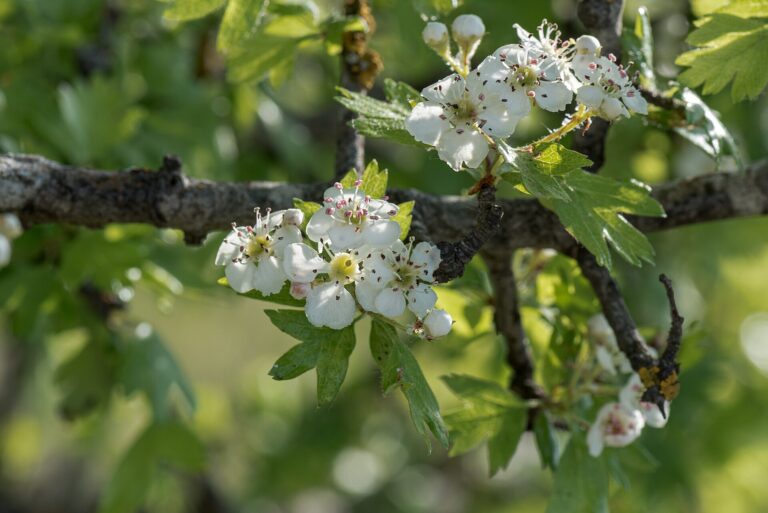
For nearly 2,000 years hawthorn has been Europe's best-known heart herb, and in Chinese medicine its tart red fruit is a classic digestive. Here's what tradition uses it for, what the studies show, and why anyone on heart medicine needs to check before taking it.
Bone Broth
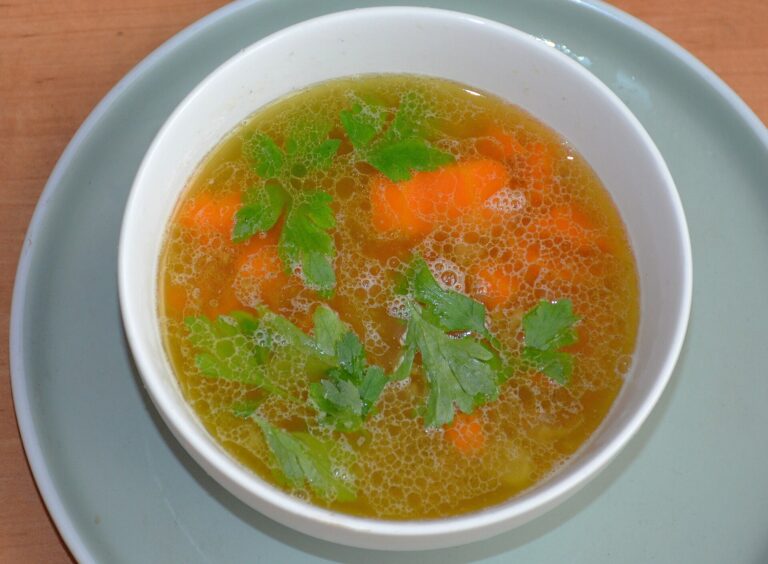
Grandmothers, Maimonides and Ayurvedic cooks all reached for long-cooked broth when someone was ill or run down. Here's what's known about bone broth today: what's really in the pot, what the research does and doesn't show, and how to make and store it safely.
Papaya Seeds
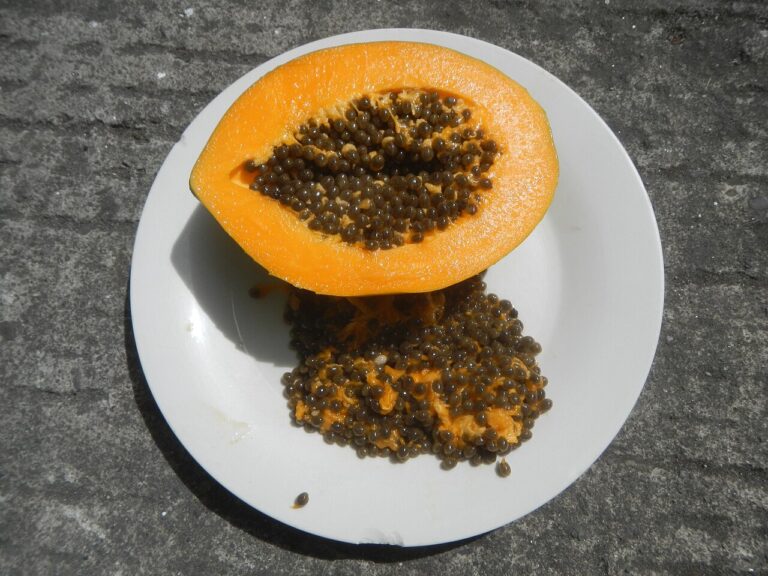
Those small black seeds you scoop out of a papaya have a long folk reputation as a worm remedy, and they've lately become a social-media "parasite cleanse". Members get the full entry: where the idea comes from, the two small studies in children behind it, typical amounts used in research, and the fertility and pregnancy cautions to know first.
Ginseng (Asian and American)
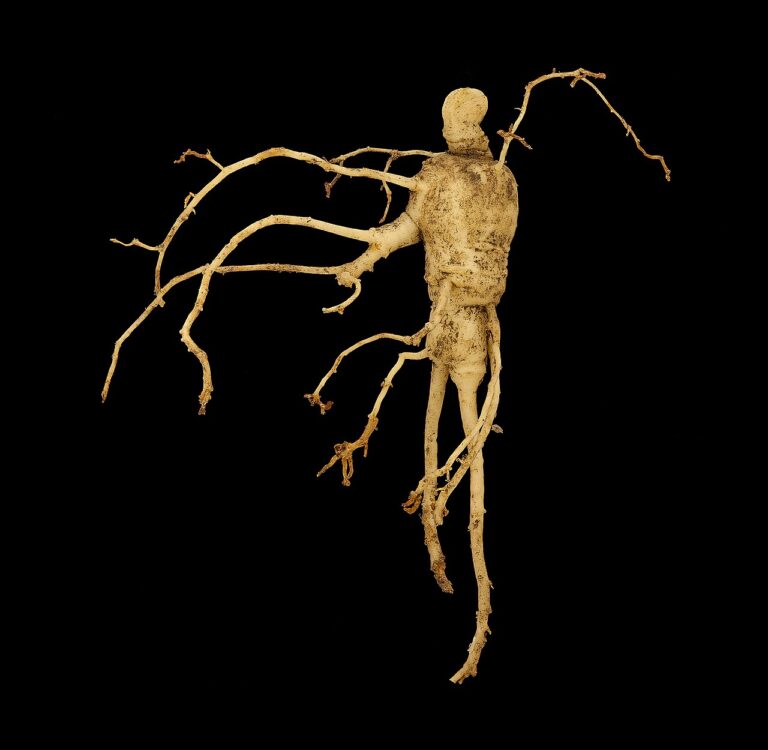
Ginseng has been the prized "root of strength" in Chinese medicine for centuries, and American ginseng was a woodland medicine of Indigenous peoples before it became a major export to China. Here's how the two ginsengs differ in tradition, what modern studies show for energy and fatigue, and who should be careful with it.
Bentonite Clay
Bentonite is a volcanic-ash clay that people stir into water as a gut "binder" during a cleanse. Members can see what the research actually shows, how people typically use it, and the quality checks that matter most with clay.