Bentonite is a volcanic-ash clay that people stir into water as a gut “binder” during a cleanse. Members can see what the research actually shows, how people typically use it, and the quality checks that matter most with clay.
Similar Posts
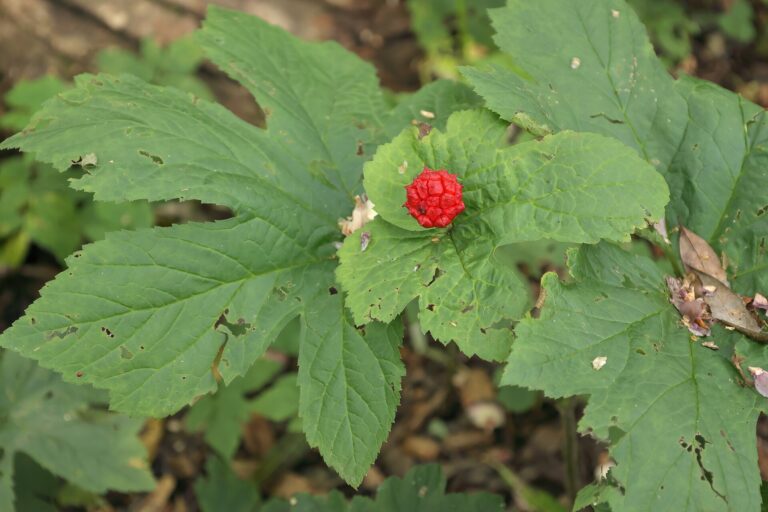
Goldenseal
A small woodland plant of eastern North America with a bright-yellow root, used by Cherokee, Iroquois and other Indigenous nations for sore eyes, wounds and as a yellow dye. It became one of the best-known remedies of 19th-century herbal medicine, and is now so heavily harvested that it's a protected, at-risk species, so where it comes from matters.
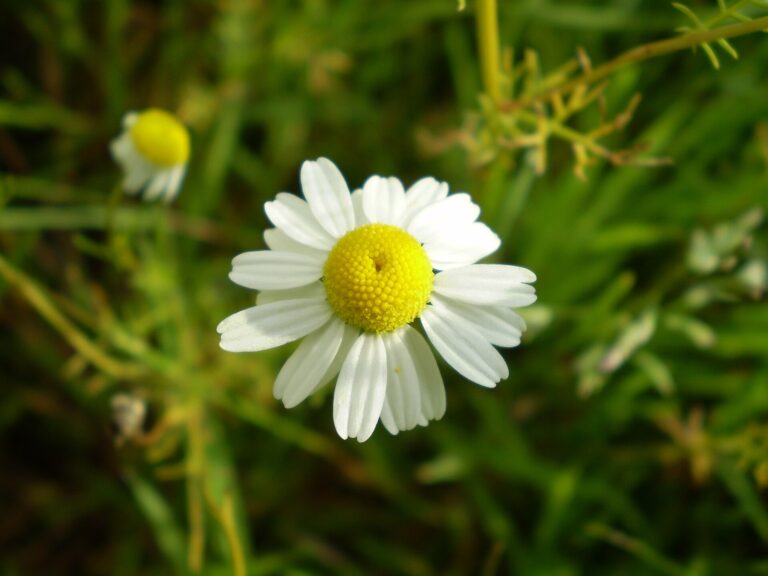
Chamomile
One of the oldest and gentlest herbs in the world, with more than a million cups of its tea drunk every day. Here's how tradition uses chamomile for nerves, sleep, digestion, mouth and skin, what the research shows, and the one allergy to watch for.
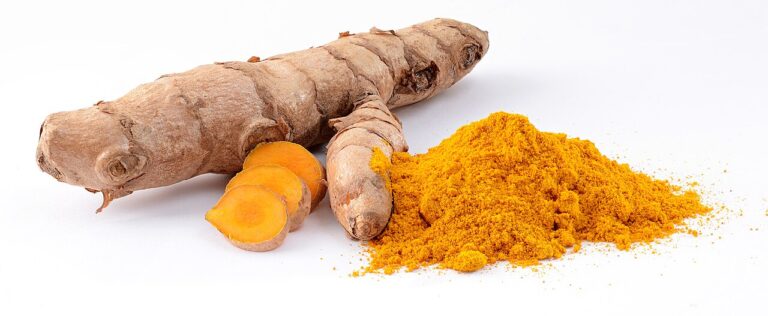
Turmeric
Turmeric is the golden root behind curry, wedding rituals and centuries of Ayurvedic and Chinese herbal practice. Here's how each tradition uses it, what modern studies on joints and digestion actually found, and why the strongest "high-absorption" capsules need more caution than the spice.
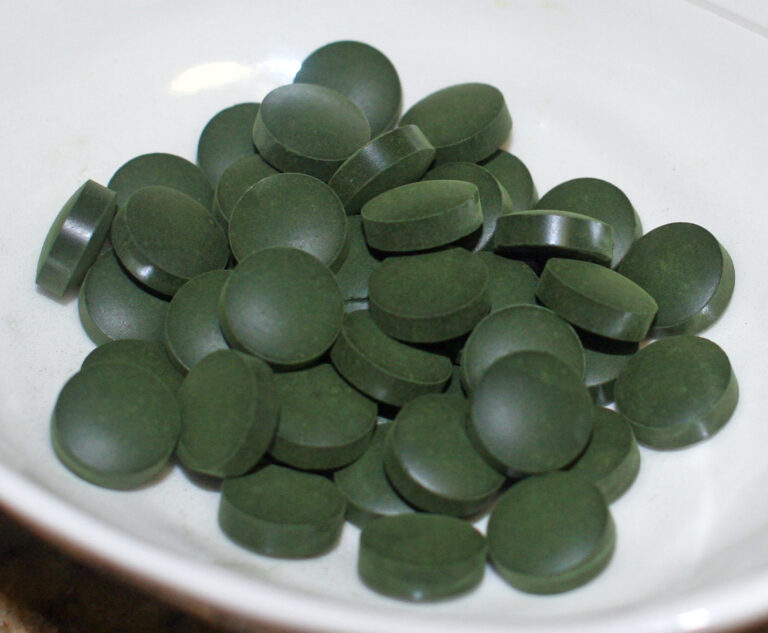
Spirulina
Spirulina is a deep blue-green algae powder that's been eaten as food for centuries, and many detoxers add it to smoothies during heavy-metal and liver routines. Members get the full entry: what the small studies found, typical amounts, and why where your spirulina comes from matters more than almost anything else.
Corn Silk
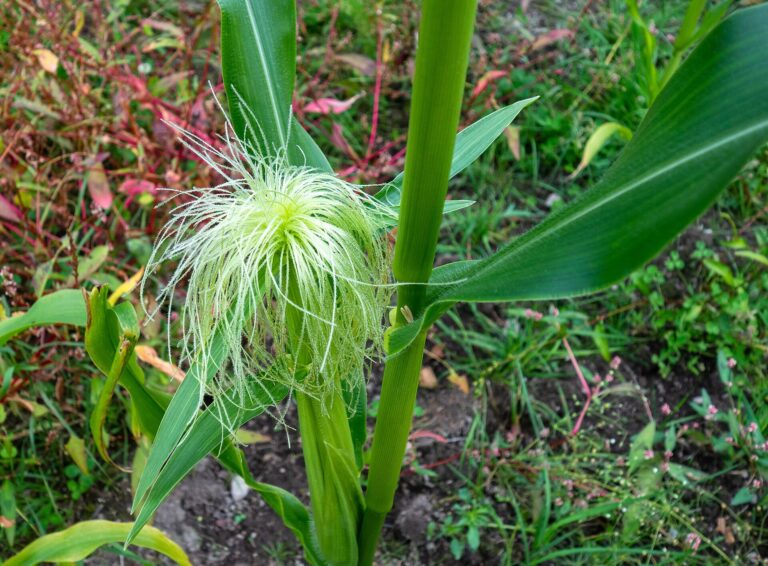
Corn silk, the fine threads at the top of an ear of corn, is a gentle traditional tea for the bladder and puffiness in Chinese and Native American medicine. Here is its history, the draft EU monograph amounts, what the evidence does and does not show, and the potassium and medicine cautions.
Sarsaparilla
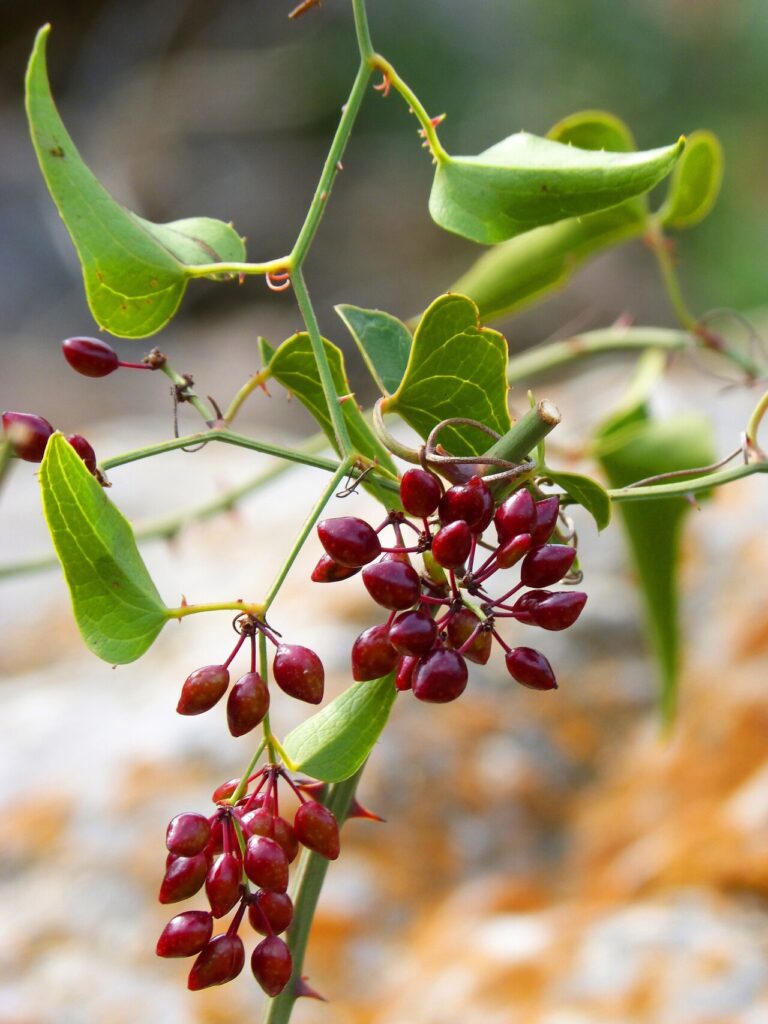
Sarsaparilla root was one of the most famous "blood purifiers" of European and American medicine for about three centuries, and it still turns up in blood-cleanse, skin and men's tonic blends. Members get the full entry: its history, why doctors doubted it as early as the 1850s, what the research does and doesn't show, and its digoxin, lithium and kidney cautions.