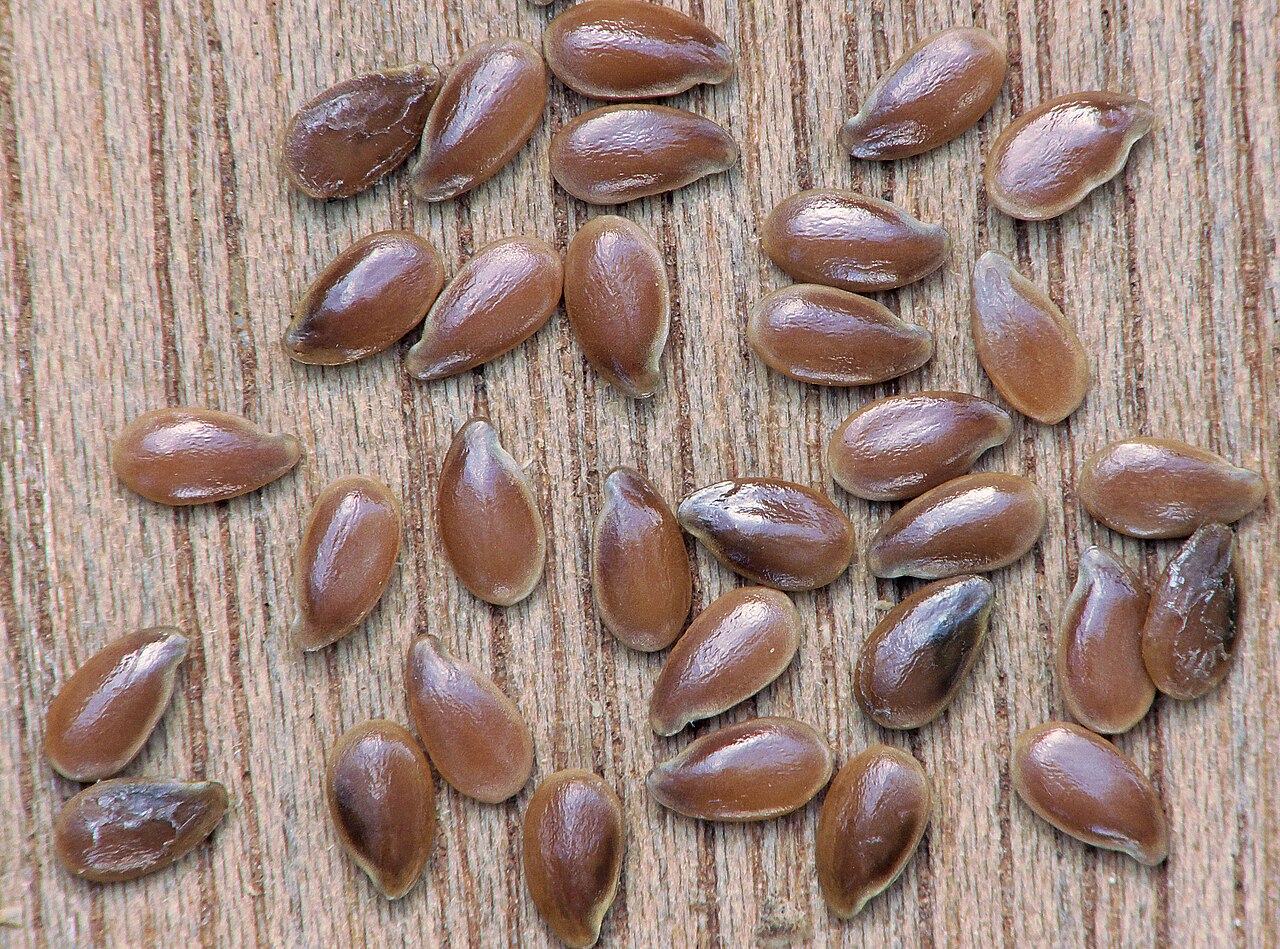
The small brown or golden seed behind linseed tea, old-fashioned linseed poultices and today’s breakfast sprinkle. Flax has been a food, fibre and folk remedy for thousands of years and is now one of the better-studied seeds for the bowels and blood pressure.
Similar Posts
Epsom Salt Baths
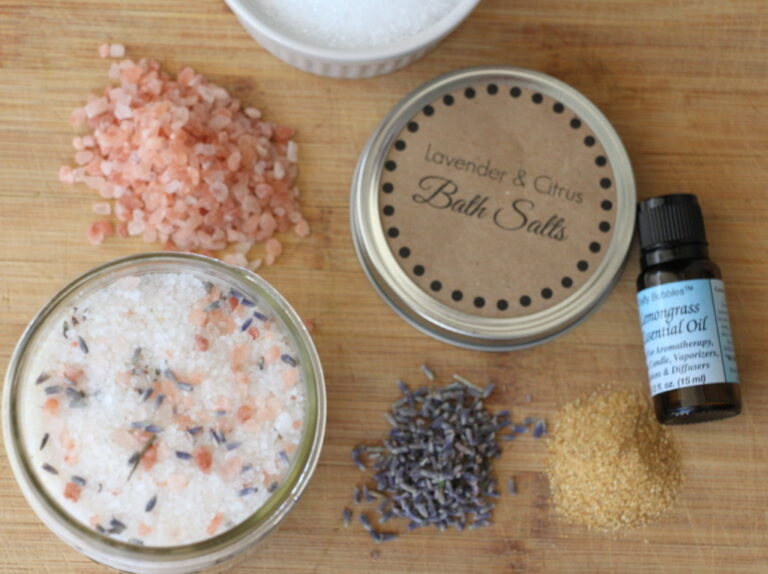
A warm soak with Epsom salt is one of the oldest and simplest rituals in home detox routines, used to unwind sore muscles and settle in for sleep. Members can see what the "detox bath" claims are based on, what the research actually shows, and who should skip it.
Red Clover
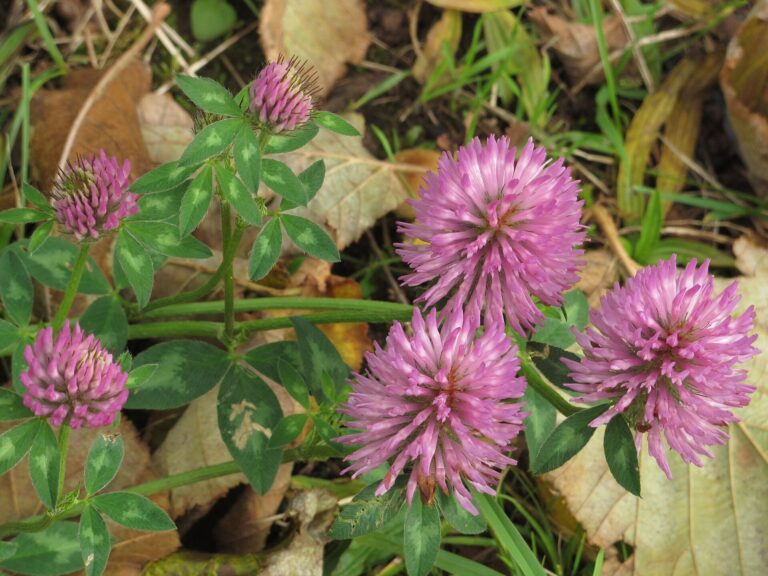
A pink meadow flower that herbalists have long counted among the classic "blood purifier" herbs, often sipped as a gentle tea. Members can see how people use it, what the research does and doesn't show, and why it isn't for everyone.
Bacopa (Brahmi)
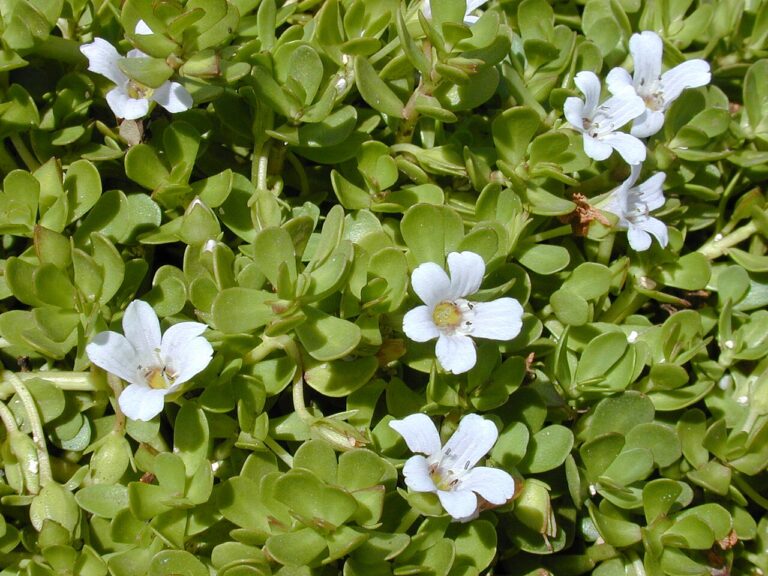
Bacopa is the creeping wetland herb Ayurveda has prized for centuries as a "medhya" tonic for memory and the mind, and one of the most-studied memory herbs today. Members get the full profile: every traditional use, what the trials really showed, the official amounts, and the side effects and drug interactions to know first.
Modified Citrus Pectin
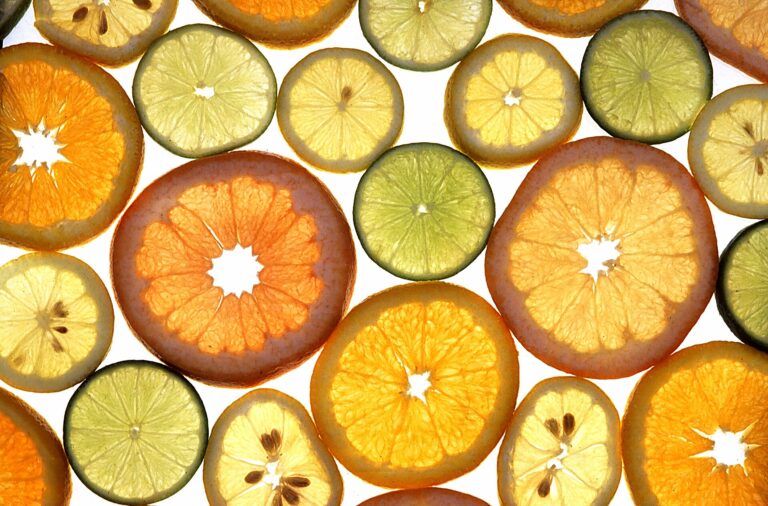
Modified citrus pectin is a citrus-peel fibre that's been broken into smaller pieces, and detoxers use it as a gentle binder. Members can read what the small studies found, how people take it, and the safety points to know first.
Ginseng (Asian and American)
Ginseng has been the prized "root of strength" in Chinese medicine for centuries, and American ginseng was a woodland medicine of Indigenous peoples before it became a major export to China. Here's how the two ginsengs differ in tradition, what modern studies show for energy and fatigue, and who should be careful with it.
Humic and Fulvic Acid
Humic and fulvic acids are the dark, carbon-rich compounds that form as plants break down in soil, peat and ancient deposits. Detoxers take them as a liquid "binder" for metals and gut support. Members get the full entry: where the idea comes from, what the (mostly lab and animal) research shows, label amounts, and why Health Canada has stepped in on one fulvic product.