
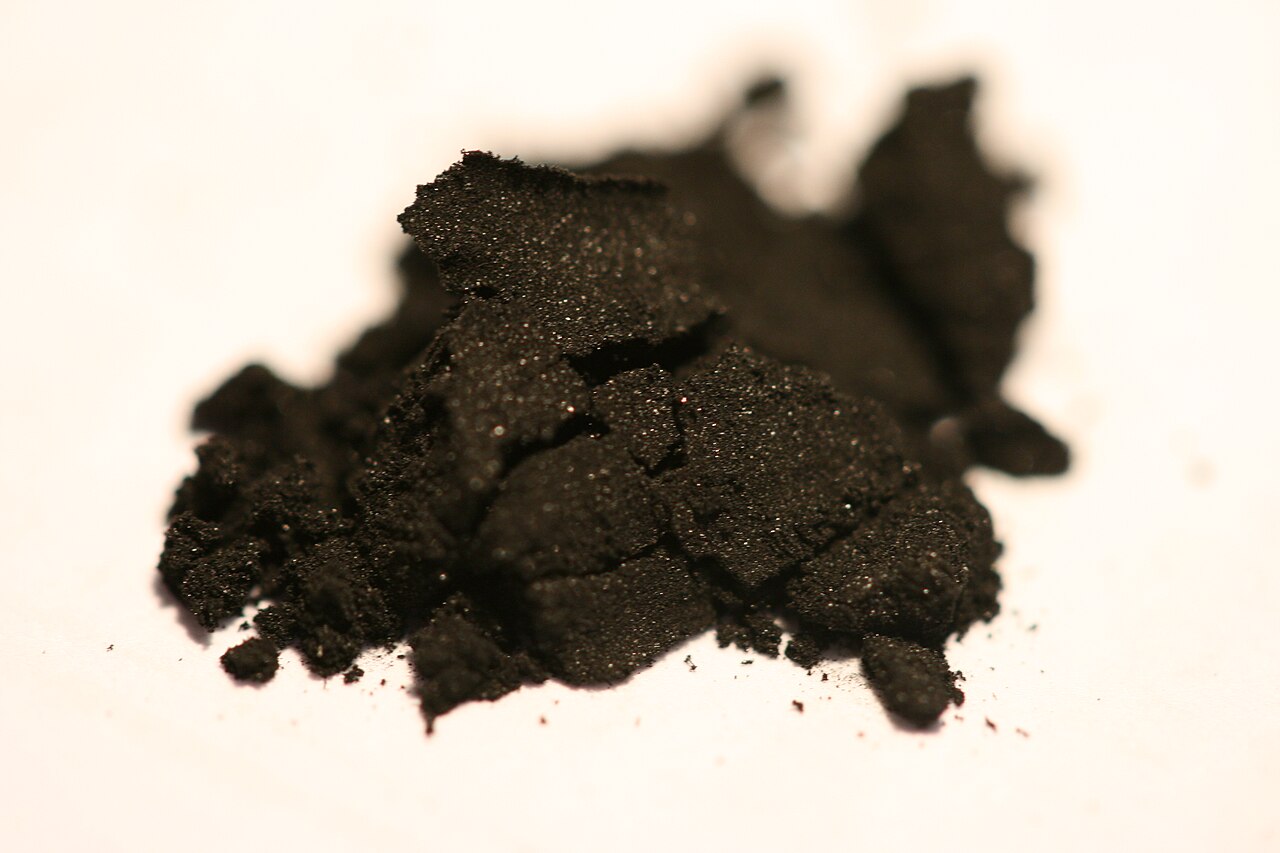
Activated charcoal is the one detox binder your local emergency room also keeps on the shelf. That’s exactly why it gets oversold.
It’s black, it’s dramatic, and it turns up everywhere: cleanse kits, capsules, lemonade, even toothpaste.
New to binders? Start with our overview, Binders explained: charcoal, clay, chlorella and pectin. This post goes deeper on charcoal alone: how it binds, what people use it for, what it can’t do, and how to use it without getting into trouble.
Quick take
- Activated charcoal grabs onto many substances in the gut so they leave in the stool. It only works on what’s in the gut at the time.
- People use it for gas and during cleanses, and hospitals use it for some poisonings. It doesn’t pull stored toxins out of your blood or organs.
- It binds medicines and nutrients too. Keep it at least 2 hours away from both, keep it short-term, and drink plenty of water.
What activated charcoal actually is
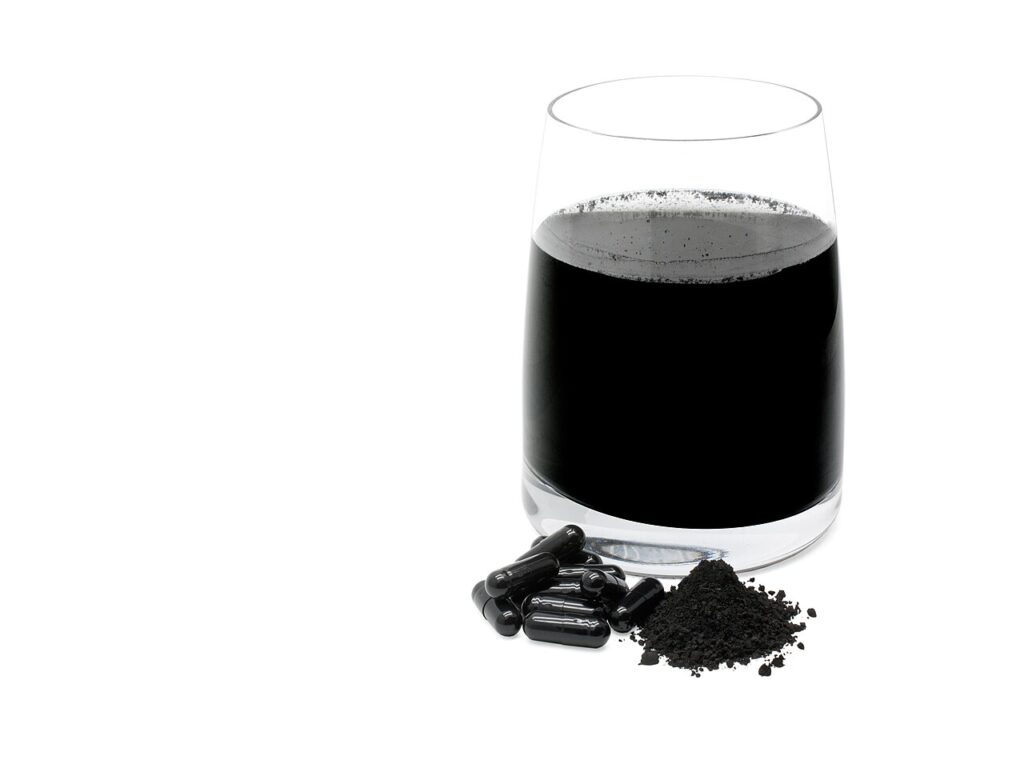
It starts as ordinary charcoal made from carbon-rich material such as coconut shell, wood or peat.
Then it’s “activated”: heated again, often with steam or gas, so it’s riddled with tiny pores. Those pores give it a huge internal surface area for its size. That surface is where the binding happens.
Charcoal has been used for stomach complaints for thousands of years. The activated, medical kind came into use in the early 1900s and became a standard hospital tool for certain swallowed poisons.
How it binds: adsorption, not absorption
Adsorption (with a “d”) means molecules stick to a surface. Your body doesn’t absorb the charcoal itself. It travels through your gut, holds onto what it touches, and leaves in your stool.
That’s the whole trick. It’s also the whole limit.
- It only works inside the gut. Whatever it binds has to be in your stomach or intestines while the charcoal is there.
- It binds some things well and others poorly. Many drugs and some plant compounds stick strongly. Alcohol, iron, lithium and corrosives like strong acids are classic examples that charcoal doesn’t hold well.
- It doesn’t choose. It binds your medicines, vitamins and minerals just as happily as anything you’d like gone.
What people use it for
Gas and bloating
This is the most common home use. Health Canada allows non-prescription charcoal products to be labelled for gas and bloating, with a two-week self-care limit. The human studies are small and mixed: some found less gas after meals, others found no change.
During a cleanse
In naturopathic detox protocols, charcoal is one of the binders people take during parasite and gut cleanses. The idea is to “mop up” what the cleanse herbs loosen in the gut. This is traditional and practitioner use; it hasn’t been well studied in people. (For the herbs it’s usually paired with, see black walnut, wormwood and clove.)
Emergency poisoning (in hospital)
Emergency teams give large single doses for some swallowed drugs and toxins, ideally soon after they were taken, under medical supervision. It’s not a home remedy. If you suspect poisoning, call Poison Control or 911.
Charcoal is a mop for your gut, not a vacuum for your whole body.
What it can’t do
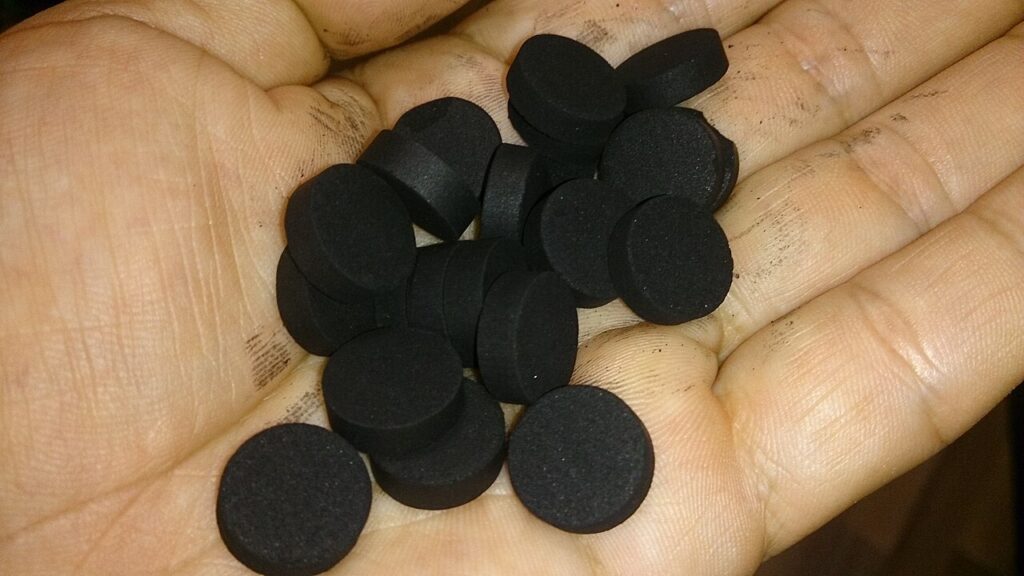
Once something has been absorbed into your bloodstream and stored in your liver or fat, charcoal sitting in your gut can’t reach in and pull it out.
Outside a few specific hospital situations with certain drugs, there are no good human studies showing that taking charcoal daily removes stored toxins from the body. If a product promises a “whole-body detox” from charcoal alone, that’s marketing.
Three popular myths, checked
Charcoal lemonade and black food
The amount in a drink or a black ice cream is small, so any “detox” effect is unlikely. The real catch: it can still bind medicines taken around the same time, birth control pills included. New York City’s health department told restaurants to stop adding it to food back in 2018.
Teeth whitening
Charcoal toothpaste is everywhere, but a 2017 review in a dental journal found too little evidence to back its whitening or safety claims. It’s abrasive, and some dentists worry it can wear enamel over time.
Hangover cure
Charcoal binds alcohol poorly, and alcohol is absorbed quickly anyway. There’s little evidence it softens a hangover. Water, food and sleep still do the heavy lifting.
Black stools and other side effects
- Black stools: expected and harmless while you’re taking it. It’s the charcoal, not “toxins coming out”.
- Black tongue: also harmless; it rinses off.
- Constipation: the big one. Rarely, charcoal can cause a blockage, especially if you’re dehydrated or already constipated.
- Stomach upset: some people get nausea, vomiting or diarrhea.
- Breathing it in is dangerous. Mix loose powder slowly, and never give it to someone who is drowsy, vomiting or can’t swallow properly.
The medicine problem (and the 2-hour rule)
This is the risk people miss. Charcoal can stop birth control pills and heart, thyroid, seizure, diabetes and many other medicines from being absorbed properly.
- Keep charcoal at least 2 hours away from any medicine, supplement or meal.
- If you take anything daily, ask your pharmacist about timing before you start.
- Never stop or skip a prescribed medicine to make room for a binder.
Who should skip it
- Pregnant or nursing, unless your doctor says it’s OK.
- Children under 12, unless a doctor says so.
- Anyone with slow gut movement, constipation, a bowel blockage or recent stomach or bowel surgery.
- Anyone on daily prescription medicine who hasn’t checked the timing with a pharmacist.
- Anyone thinking of using it for longer than two weeks without a doctor.
How people use it sensibly

- Amounts: vary by product; follow the label. As a reference, Health Canada’s labelling standard for gas lists a typical adult amount of 0.5 to 1 g after meals, up to 4 g a day. Check with your doctor first.
- Water: a full glass with each dose, and plenty through the day.
- Timing: 2 hours away from medicines, supplements and meals.
- Short-term: no more than two weeks of self-care use.
- One binder at a time: people usually pick one, not a stack.
- Stop if your bowels slow down. In detox thinking, the exits come first (see why most detoxes backfire).
Also available: a parasite kit that includes a binder
If you’re planning a parasite cleanse and would rather not put the pieces together yourself, The Ultimate Parasite Kit bundles cleanse herbs with a binder, sold by an outside company. It may suit someone who has already checked with their doctor and their pharmacist about timing. Skip it if any of the “who should skip it” points above apply to you.
Sponsored link. If you buy through it, Clif may earn a commission at no extra cost to you. The claims on the seller’s page are theirs, not ours, and haven’t been checked by us. It’s not a substitute for seeing your doctor.
When to see a doctor
- Suspected poisoning or overdose: call Poison Control or 911 right away. Don’t reach for charcoal at home first.
- No bowel movement for several days, belly pain or swelling, or vomiting while taking charcoal.
- Black or tarry stools when you’re NOT taking charcoal (or bismuth). That can be a sign of bleeding and needs checking.
- Gas or bloating that keeps coming back, or comes with weight loss, blood in the stool or a change in your bowel habits.
Try this today
Before you buy any binder, write down everything you take daily: medicines, birth control, vitamins and supplements. Take the list to your pharmacist and ask, “If I add a binder, when should I take it?” It’s a five-minute conversation that heads off the biggest charcoal mistake.
Go deeper in the Vault
Members can open the full Activated Charcoal entry in the Detox Library, plus the other binders: Bentonite Clay, Zeolite and Psyllium Husk. See Gut & Candida: everything in the Vault and Parasites: everything in the Vault for the protocols that use binders, or start with the Remedies Vault.
Educational only, not medical advice. This information has not been evaluated by the FDA or Health Canada and is not intended to diagnose, treat, cure, or prevent any disease. Talk to your healthcare provider before starting any remedy, supplement, or detox, especially if you are pregnant, nursing, taking medication, or managing a health condition. Read our full Medical Disclaimer.