Your liver doesn’t scream. It whispers.
It’s working right now. Filtering your blood. Breaking down hormones. Processing everything you eat, drink, breathe and put on your skin.
And when it’s overloaded, it rarely sends one big obvious signal.
It sends a handful of small ones that most people chalk up to “getting older.”
Quick take
- Your liver sends quiet signals, like 1–3 a.m. wake-ups and heaviness after fatty meals.
- Milk thistle, dandelion root, burdock and artichoke are the classic traditional liver herbs.
- Bitter greens and cruciferous vegetables are an easy everyday start.
9 signs your liver may be overloaded
From a naturopathic view, these are some of the most common patterns people notice:
- Waking up between 1 and 3 a.m. In traditional Chinese medicine this is the liver’s time on the body clock.
- Feeling heavy or nauseous after fatty meals. A sign bile may not be flowing well.
- Bloating and sluggish digestion, especially in the upper right side.
- Skin issues. Breakouts, itchiness or a dull complexion.
- Stubborn weight around the middle.
- Hormone swings, including rough PMS. The liver helps clear used hormones.
- Strong reactions to alcohol, caffeine or perfumes.
- Constant tiredness, especially in the afternoon.
- Pale or floating stools, which can point to fat not being broken down well.
None of these prove anything on their own. But a cluster of them is worth paying attention to, and worth bringing up with your doctor. Ask about a liver panel if you’ve never had one.
The herbs traditionally used for the liver
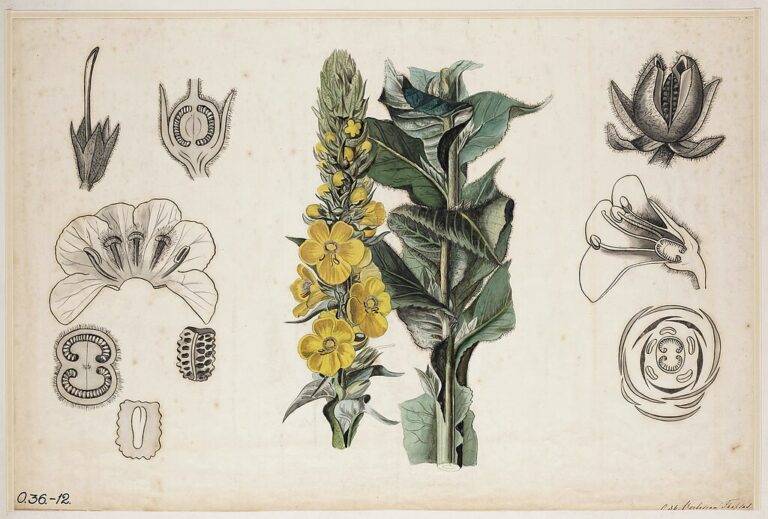
Milk thistle
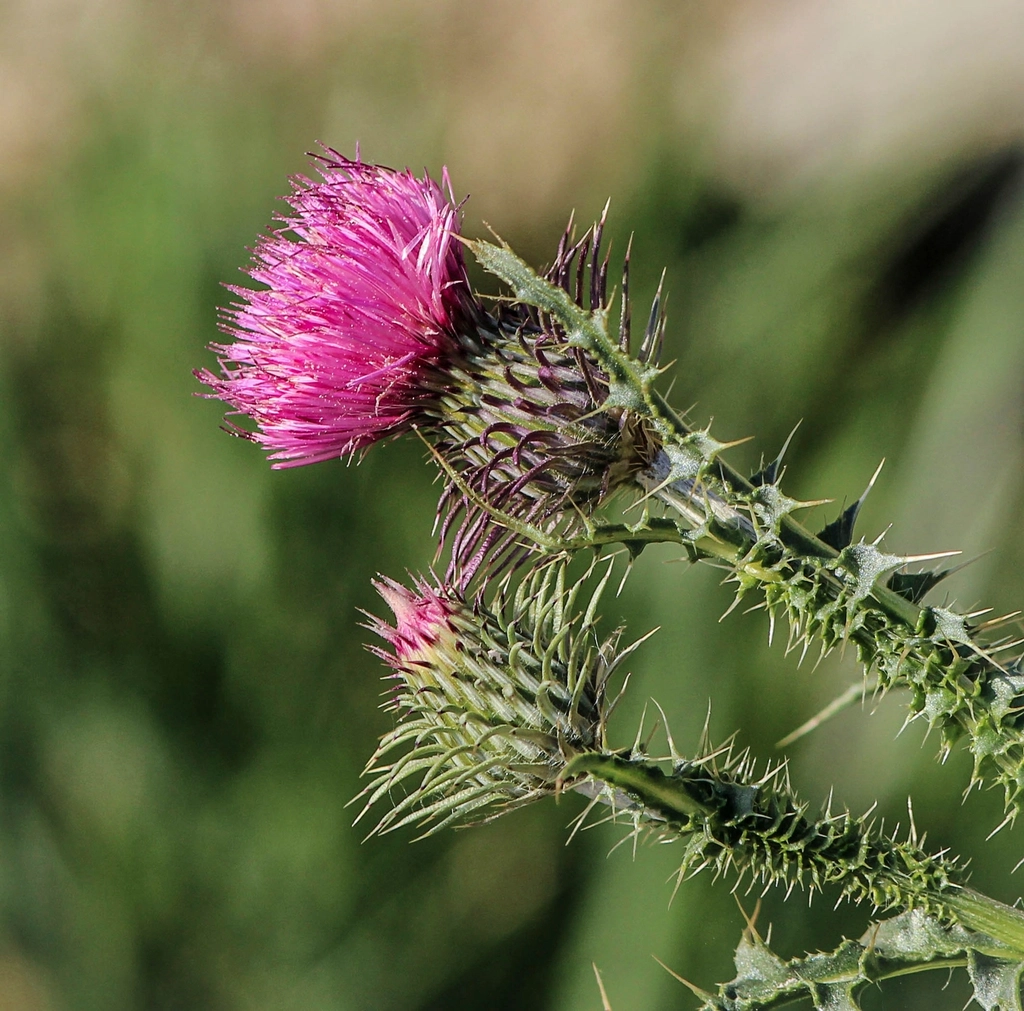
The most famous liver herb in the world. Used in Europe for over 2,000 years. Its active compound, silymarin, has been studied for its protective effect on liver cells. It’s usually taken as a standardized capsule.
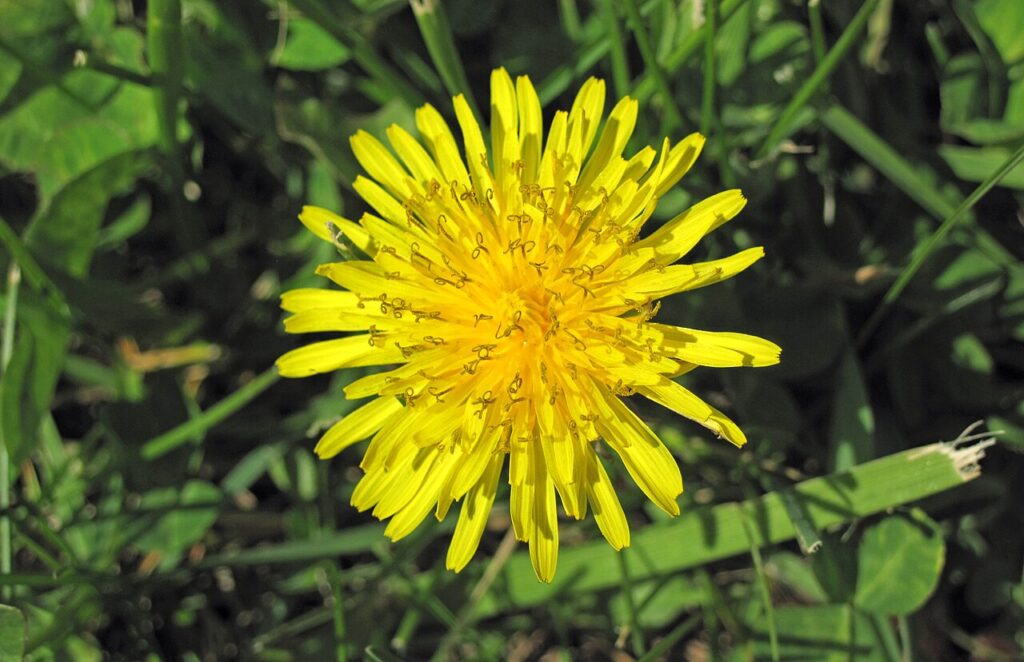
Dandelion root
That weed in your lawn is one of the oldest liver tonics there is. The root has been used to stimulate bile flow and support digestion. Many people drink it as a roasted tea, which tastes a lot like coffee.
Burdock root
A traditional “blood purifier” in both Western herbalism and Japanese cooking, where it’s eaten as a vegetable called gobo. Often paired with dandelion.
Artichoke leaf
Used traditionally to support bile production and ease that heavy, full feeling after meals.
Turmeric
The golden root of Ayurvedic medicine. Traditionally used for the liver and for inflammation. It’s better absorbed with black pepper and a bit of fat.
Foods that pull their weight
You don’t need a cabinet full of supplements to start. These foods have been used to support the liver for generations:
- Bitter greens like arugula, dandelion greens and radicchio, eaten before meals
- Cruciferous vegetables like broccoli, cabbage, Brussels sprouts and broccoli sprouts
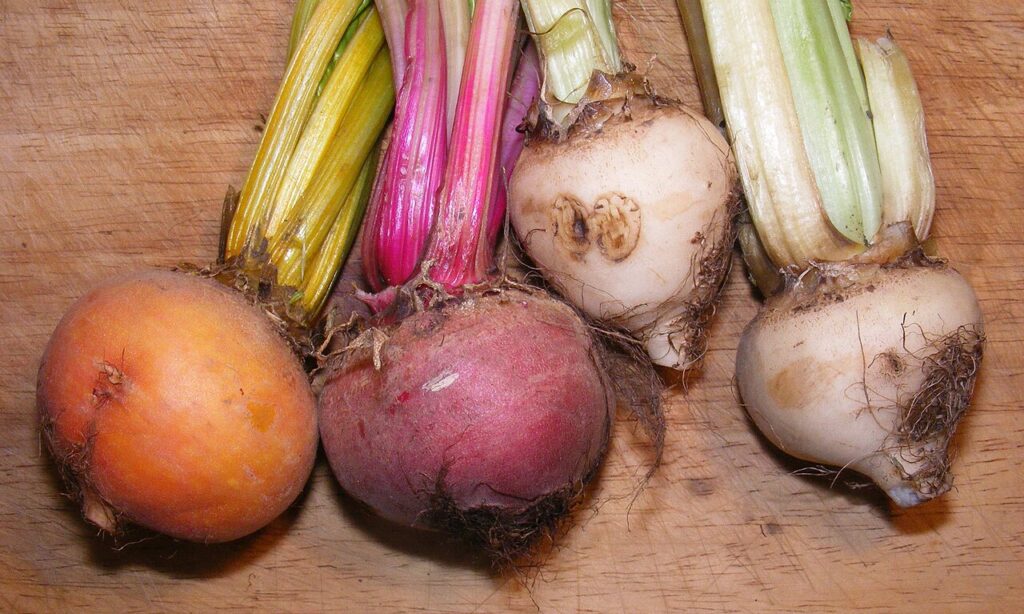
- Beets, a classic traditional liver food
- Garlic and onions, rich in sulfur compounds
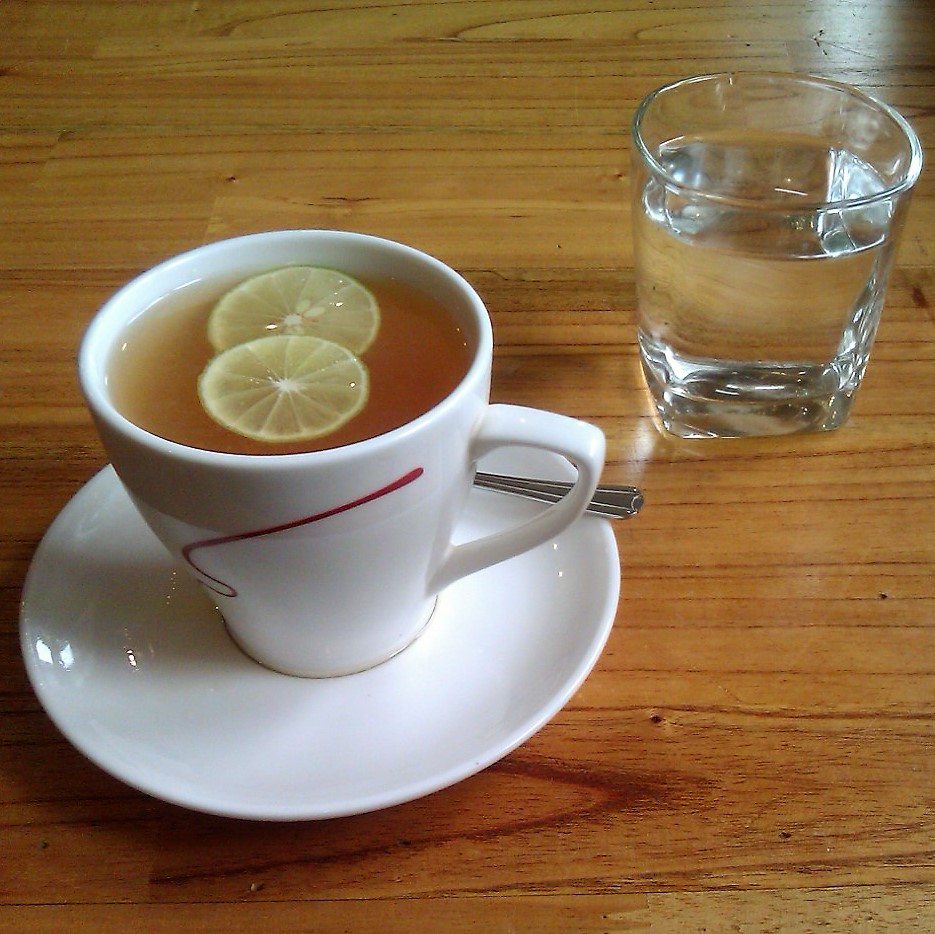
- Lemon in warm water first thing in the morning
Supporting the liver is half the job. The other half is not piling more on it.
What makes the liver’s job harder
Supporting the liver is half the job. The other half is not piling more on it:
- Alcohol
- Fried foods and heavily processed seed oils
- Excess sugar and high-fructose corn syrup
- Unnecessary over-the-counter medications (always check with your doctor before stopping anything prescribed)
- Harsh household and personal-care chemicals
One important order note
Liver support works best when your bowels are moving. Your liver sends waste out through bile, and if things aren’t leaving, they can get reabsorbed.
New to detox? Start with why most detoxes backfire, and the order that works before anything else.
Try this today
Add a handful of arugula or dandelion greens before dinner tonight. Bitter first is one of the oldest digestion habits there is.
Go deeper in the Vault
The Vault has full entries for milk thistle, dandelion, burdock and more, plus everything else on liver support in one place. Liver Health in the Vault →
Also available: a liver support supplement
A liver support supplement, sold by an outside company. Check with your doctor or pharmacist first, especially if you take medication.
Sponsored link. If you buy through it, Clif may earn a commission at no extra cost to you. The claims on the seller’s page are theirs, not ours, and haven’t been checked by us. It’s not a substitute for seeing your doctor.
Educational only, not medical advice. This information has not been evaluated by the FDA or Health Canada and is not intended to diagnose, treat, cure, or prevent any disease. Talk to your healthcare provider before starting any remedy, supplement, or detox, especially if you are pregnant, nursing, taking medication, or managing a health condition. Read our full Medical Disclaimer.