That weed you dig out of the lawn every spring? It might be the oldest liver and digestion herb in your neighbourhood.
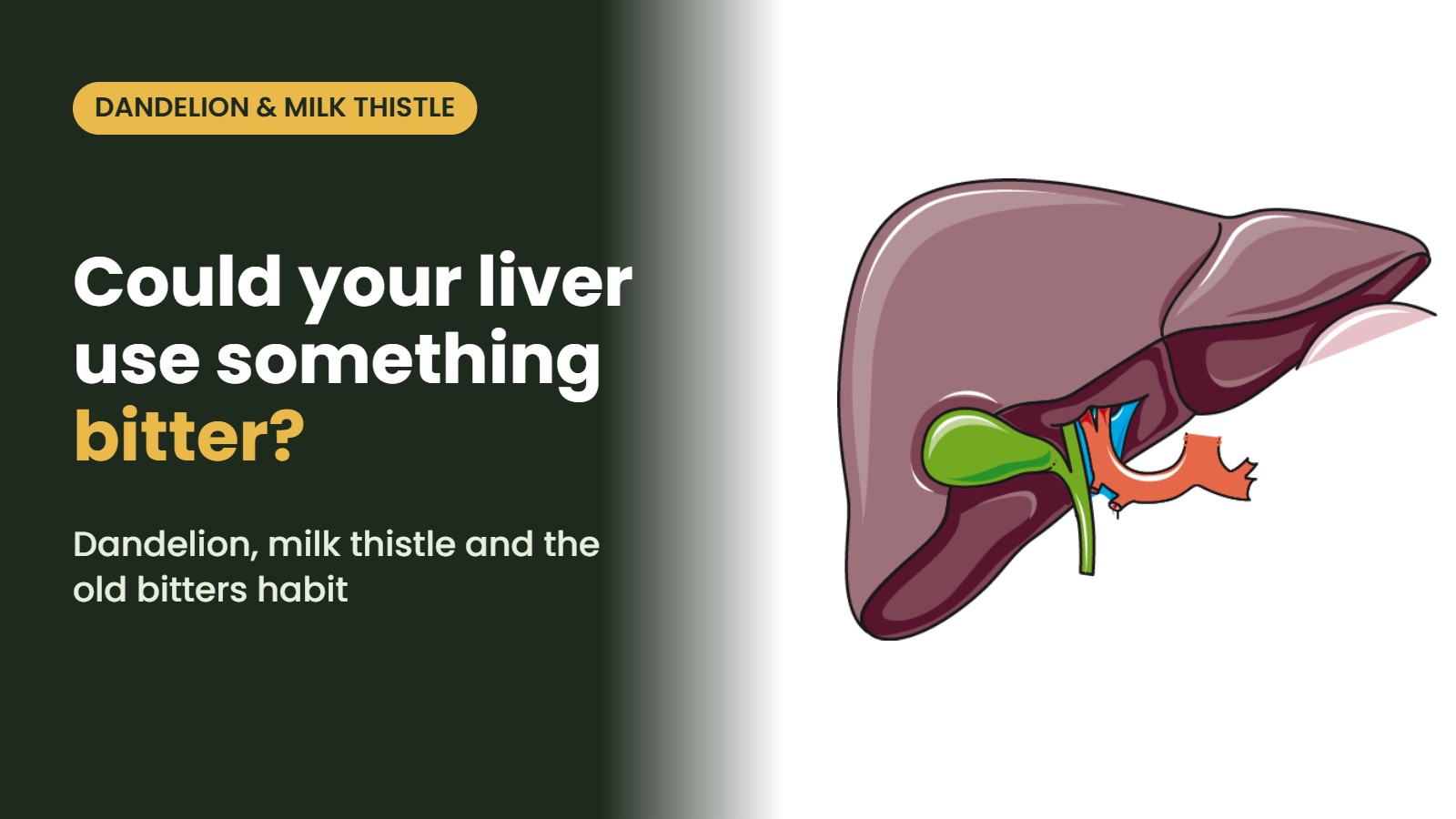
Dandelion has been eaten, brewed and roasted for centuries, in Europe, in Traditional Chinese Medicine (where it’s called pu gong ying) and in Mexican and North American folk medicine. Its bitter root is the classic “liver herb” of the old herbals. And it has a famous partner: milk thistle, the spiky purple plant whose seeds are one of the best-selling liver supplements on the shelf.
Here’s how people use each one, and when to skip them.
Quick take
- Dandelion root is the traditional bitter for digestion and bile flow; the leaf is a traditional “water herb”; the flower is mostly food.
- Milk thistle seed (silymarin) is traditionally used to support the liver, and is still being studied.
- Skip both if you’re allergic to ragweed or daisies, and ask first if you have gallstones or take water pills, lithium, blood thinners or diabetes medicine.
Why people reach for them
Most people don’t come to dandelion because of a diagnosis. They come because something feels a bit off:
- A heavy, too-full feeling after rich or fatty meals
- Slow digestion, gas or bloating that hangs around
- A poor appetite, especially after an illness
- Feeling puffy or holding water
- The weeks after a run of holiday dinners, drinks or takeout
- A routine blood test that flagged a liver number, and wanting to do something supportive
- Looking for a caffeine-free swap for that second coffee
If bloating is your main complaint, our post on bloating, gas and hiatal hernia covers the wider picture. And if you’re wondering whether your liver needs attention at all, start with the 9 signs naturopaths look at.
Root, leaf and flower: three herbs in one plant
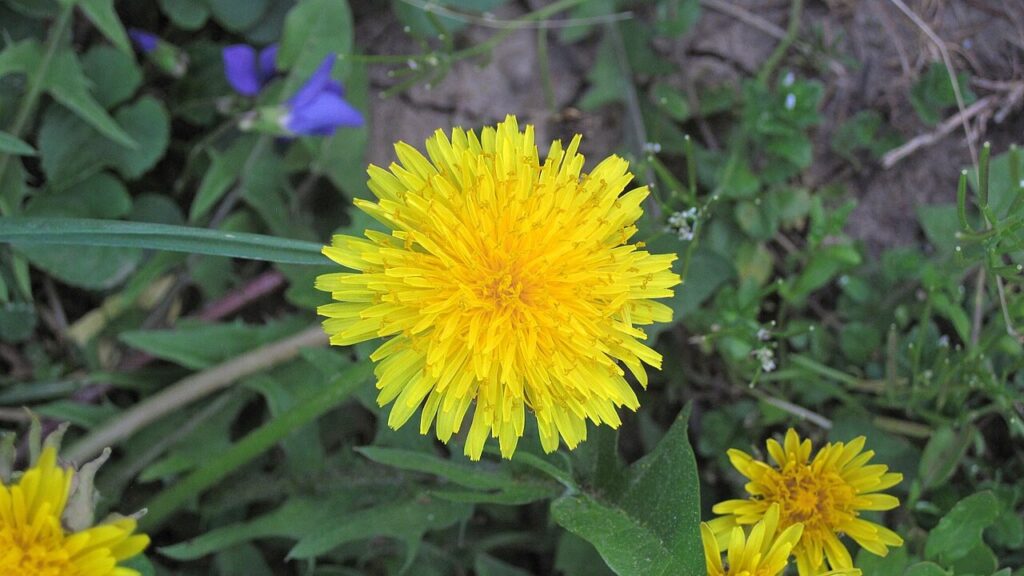
One reason dandelion confuses people: each part is used differently.
The root: the bitter
The root is the part herbalists reach for when digestion feels sluggish. It’s bitter, and in the old way of thinking, bitter “wakes up” the gut: more saliva, more stomach juices, more bile from the liver and gallbladder. European herbal medicine officially recognises dandelion root, by long tradition, for mild digestive complaints like fullness, gas and slow digestion, for a temporary loss of appetite, and to increase urine flow (EMA).
The leaf: the traditional “water herb”
The leaf has a long history as a gentle diuretic. The French folk name, pissenlit, gives the game away. Unlike many water pills, the leaves are naturally rich in potassium.
The flower: mostly food
The flowers go into fritters, teas, syrups and old-fashioned dandelion wine. Lovely, but the least studied part.
What’s behind the bitter idea
Your tongue has bitter taste receptors, and so does your gut. Tasting something bitter before a meal is thought to help prime digestion, which is why many cultures start dinner with bitter greens, an aperitif or a few drops of bitters.
Research in people is still thin: most of what we know comes from tradition and lab work (NCCIH). That doesn’t make the tradition wrong, and many people simply find the habit worth keeping.
Bitter first, then the meal. It’s one of the oldest digestive habits on earth, and dandelion is its backyard version.
How people use dandelion
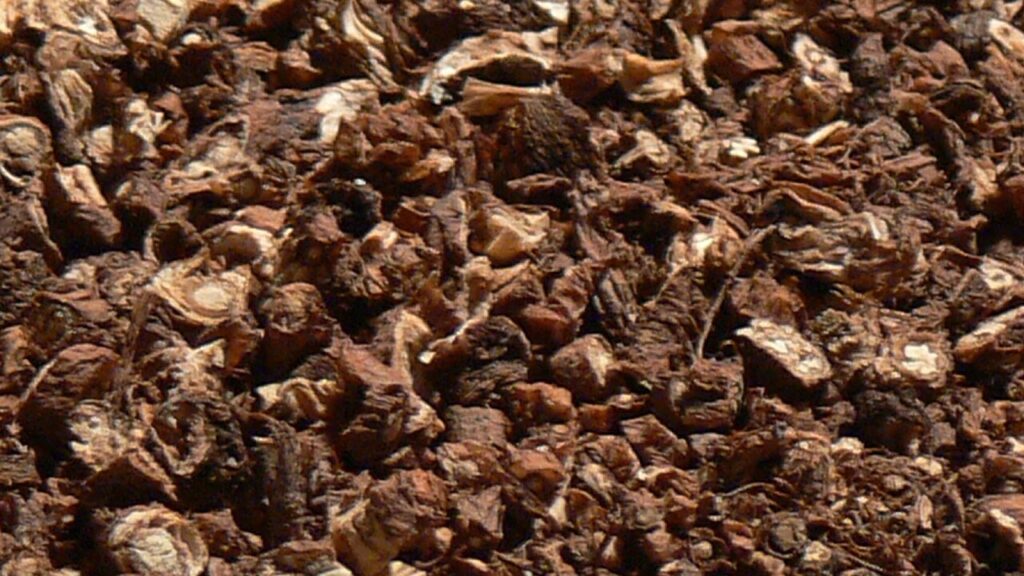
- Dandelion “coffee”: roasted, chopped root simmered like coffee. Dark and toasty, no caffeine. A favourite swap for the afternoon cup.
- Root tea (decoction): the dried root simmered for 10 to 15 minutes. Some people sip it about half an hour before meals.
- Leaves as food: a handful of young leaves in a salad with lemon and olive oil, or sautéed with garlic like spinach.
Typical amounts. In the US: the FDA doesn’t approve herbal products before they’re sold or set official doses for herbs, so there’s no US standard amount. Choose a product with a USP or NSF seal, follow its label, and check with your doctor or pharmacist. In Canada (and Europe): look for an 8-digit NPN on the label. The European monograph for the dried root uses 1 to 5 g simmered in about 150 ml (5 oz) of water, 2 to 3 times a day, with a doctor’s visit if symptoms last more than 2 weeks (EMA). Treat that as a typical range only, and check with your doctor first.
Milk thistle: dandelion’s partner
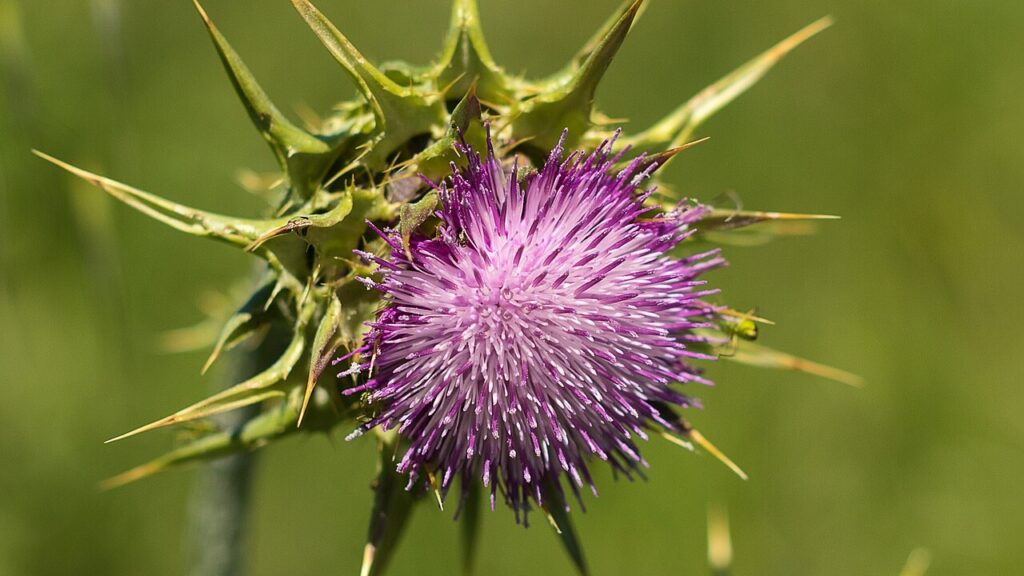
Milk thistle (Silybum marianum) has been used in Europe for the liver for a very long time. The seeds hold a group of compounds called silymarin, and that’s what most supplements are built around.
What the studies show is mixed. Small studies suggest milk thistle extract may help with blood sugar in type 2 diabetes. Trials in different liver conditions have been conflicting or too small to settle anything, and two NIH-funded trials (in hepatitis C and in fatty liver) didn’t show a benefit (NCCIH). It’s generally well tolerated, and still being studied.
The mistakes people make with it
- Drinking it as tea for the liver. Silymarin barely dissolves in water, so Health Canada doesn’t allow teas to carry its liver claims. For that use, people take capsules or extracts.
- Giving up after a few days. Health Canada’s guidance says to use it for at least 3 weeks to see an effect.
- Buying blind. Some products don’t contain the silymarin the label says, and some have been contaminated (NCCIH). In the US look for a USP or NSF seal; in Canada, an NPN.
- Taking it with dandelion root while you have gallstones. More on that below.
Typical amounts. In the US: the FDA doesn’t set doses for herbs, so follow a USP- or NSF-sealed product’s label and check with your doctor. In Canada: the Health Canada monograph lists 3 to 14.5 g of dried seed a day (no more than 4 g at a time), or 140 to 600 mg of silymarin a day from standardized extracts (no more than 200 mg at a time), for adults 18 and over. Check with your doctor first.
Also available: a liver support supplement
If you’d rather take a blended product than brew your own, there’s a liver support supplement sold by an outside company. Read its label against the cautions in this post, and ask your doctor or pharmacist first if you take any medicine.
Sponsored link. If you buy through it, Clif may earn a commission at no extra cost to you. The claims on the seller’s page are theirs, not ours, and haven’t been checked by us. It’s not a substitute for seeing your doctor.
Foraging dandelion safely
- Skip lawns, parks and roadsides that may be sprayed, and spots where dogs go.
- Pick young leaves in spring, before the flowers, for the mildest taste.
- Know your plant: real dandelion has one flower per hollow stem and smooth, toothed leaves. If you’re not sure, don’t eat it.
Who should skip or go easy
- Ragweed, daisy, marigold or chrysanthemum allergy: both plants are in this family, and reactions are possible (NCCIH).
- Gallstones, a blocked bile duct or liver disease: because dandelion root may increase bile flow, European guidance advises against it here (EMA). Talk to your doctor before trying either herb.
- Water pills (diuretics) or lithium: dandelion leaf adds to the “water” effect, and changes in fluid can shift lithium levels. Ask your pharmacist.
- Blood thinners or diabetes medicines: possible interactions have been raised for dandelion, and milk thistle may lower blood sugar (NCCIH).
- Kidney disease, a potassium limit, or a doctor’s advice to limit fluids.
- Pregnancy and breastfeeding: little is known beyond food amounts, so ask first.
- Children: the European root guidance isn’t set for under 12, and Health Canada’s milk thistle guidance is for adults.
When to see a doctor
Get checked if you notice:
- Yellowing of the skin or eyes, dark urine or pale stools
- Pain in the upper right belly, especially with fever, vomiting or after fatty meals (possible gallbladder trouble): same-day care
- Severe belly pain, vomiting blood or black stools: call 911 (US and Canada)
- A swollen belly, itchy skin all over, or weight loss you can’t explain
- Digestive symptoms that last more than 2 weeks, or a liver blood test that keeps coming back high
Your doctor can run a liver panel, and it’s a good conversation to have before starting any liver herb. For more on how naturopaths think about the liver and kidneys together, see our kidney support post.
Try this today
Swap your afternoon coffee for a cup of roasted dandelion root “coffee”, or start dinner with a small bitter salad: a handful of dandelion or other bitter greens, lemon juice, olive oil and a pinch of salt. Notice how your digestion feels over the next week.
Go deeper in the Vault
Members get the full Liver Health hub, the Herbal Library profiles for dandelion, milk thistle and artichoke leaf, the Detox Library entry on bitters, and a before-meal bitters tonic in the Recipe Library. See what’s inside the Vault.
Educational only, not medical advice. This information has not been evaluated by the FDA or Health Canada and is not intended to diagnose, treat, cure, or prevent any disease. Talk to your healthcare provider before starting any remedy, supplement, or detox, especially if you are pregnant, nursing, taking medication, or managing a health condition. Read our full Medical Disclaimer.