That tight, puffed-up, “I need to unbutton my jeans” feeling? You’re not alone.
Bloating and gas are some of the most common gut complaints there are. And if you’ve also been told you have a hiatal hernia, it can feel like your whole middle is working against you.
Here’s the good news: most of what helps is simple, cheap and old-school. Here’s what’s going on, what people traditionally use, and the signs that mean it’s time to get checked.
Quick take
- Bloating usually comes from swallowed air and gut bacteria fermenting food. How you eat matters as much as what you eat.
- Fennel, ginger, chamomile and caraway are the classic traditional herbs for gas.
- For a hiatal hernia: smaller meals, nothing late at night, and raise the head of your bed. And be careful with peppermint.
First, what’s actually going on
Gas and bloating have two main sources. The air you swallow when you eat, drink and talk. And the gas your gut bacteria make when they break down food your small intestine didn’t fully digest.
A hiatal hernia is when the top of your stomach pushes up through the opening in your diaphragm, the muscle that separates your chest from your belly. Small ones often cause no symptoms at all. Larger ones can bring heartburn, food coming back up, burping, feeling full fast, and chest or upper-belly discomfort.
It’s more common after 50, with extra weight around the middle, and with anything that puts repeated pressure on your belly: straining, heavy lifting, a long-term cough.
That pressure is why these problems often travel together. A full, bloated stomach pushes up. A weak valve lets it through.
Cut down the air you swallow
This one surprises people. A lot of bloating starts at your mouth. The NIH’s digestive health institute suggests:
- Skip fizzy drinks, and don’t drink through a straw
- Avoid chewing gum and sucking on hard candy
- Eat slowly, sitting down, and try not to talk with your mouth full
- Make sure dentures fit well
- If you smoke, quitting helps here too
None of it costs a thing. Try it for a week before you try anything else.
Foods that commonly feed the bloat
Some foods are simply harder for the gut to break down, so more of them reach your gut bacteria. The usual suspects:
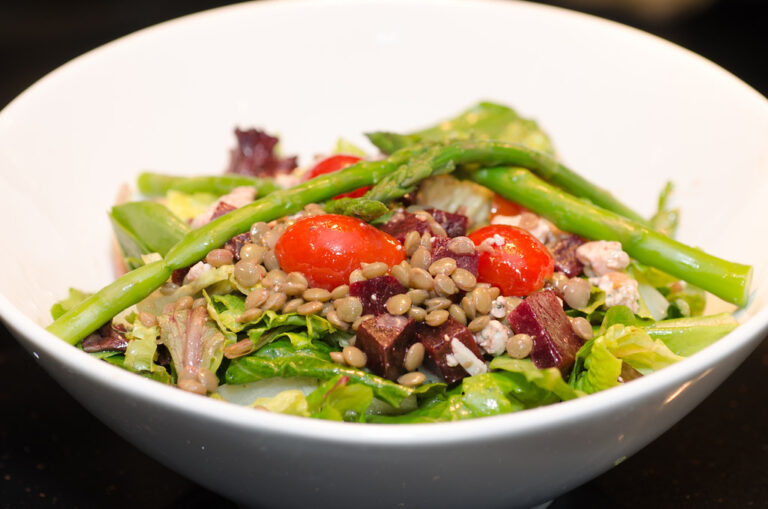
- Beans, lentils and chickpeas
- Broccoli, cabbage, cauliflower and Brussels sprouts
- Onions and garlic
- Dairy, if you don’t digest lactose well
- Fructose-heavy foods, like some fruit juices and honey
- Sugar-free sweets with sweeteners ending in “-ol” (sorbitol, xylitol)
You don’t need to cut all of them forever. Many are great for you. Keep a simple food and symptom diary for two weeks and look for your own patterns. A dietitian can walk you through a short-term low-FODMAP plan if you suspect IBS.
And if you’re not going to the bathroom regularly, start there. Backed-up bowels are one of the most overlooked causes of bloating. We cover that in why most detoxes backfire.
A lot of bloating starts at your mouth. How you eat matters as much as what you eat.
Herbs traditionally used for gas and bloating
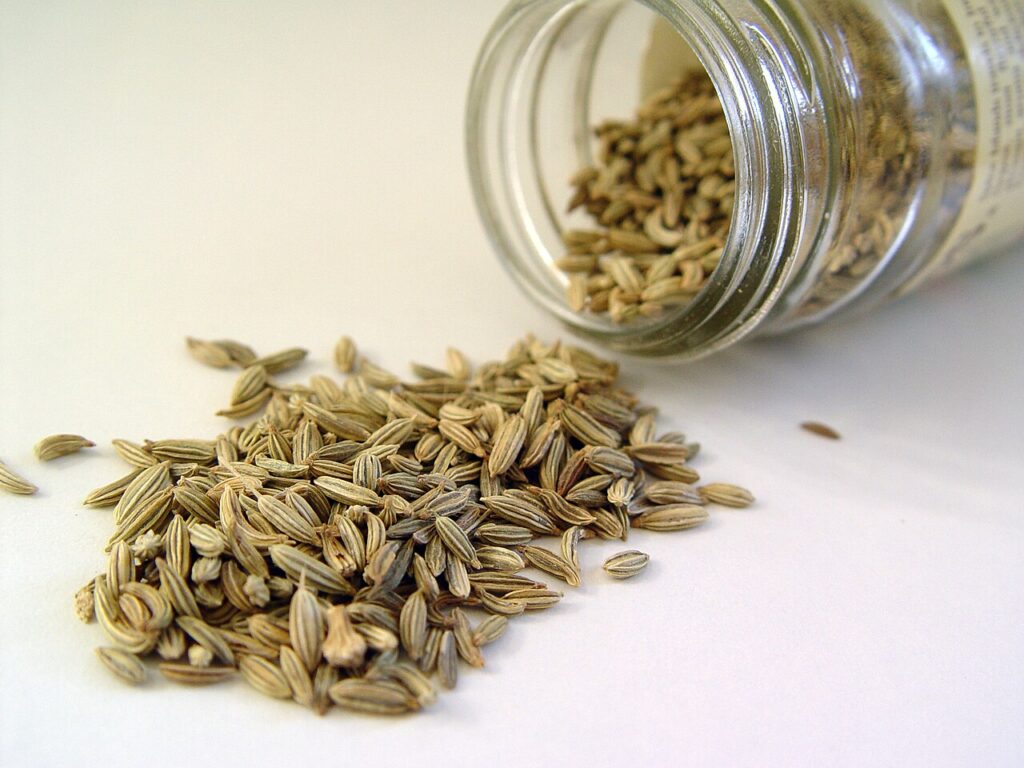
Herbalists call these carminatives: plants used for centuries to ease gas and that bloated, crampy feeling after meals.
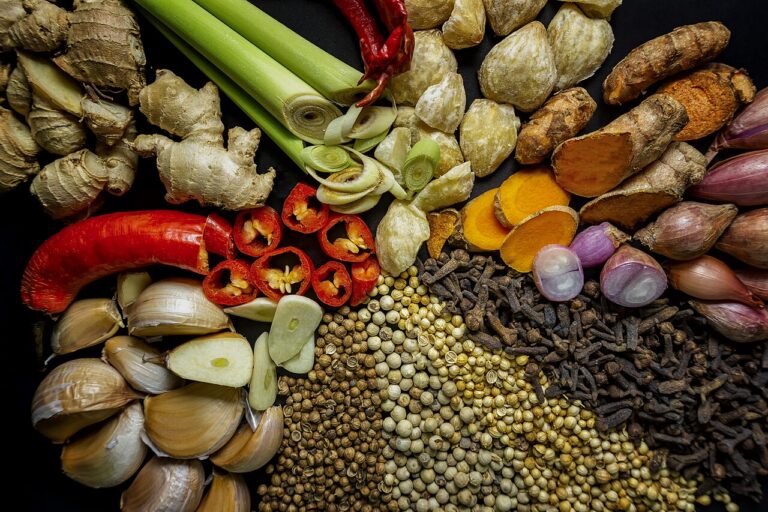
Fennel
The little seeds served after meals in Indian restaurants are there for a reason. Fennel is one of the oldest traditional remedies for bloating and wind, and Europe’s medicines agency recognises it as a traditional herbal medicine for exactly that. Most people crush a teaspoon of seeds and steep them as a tea after eating.
Ginger
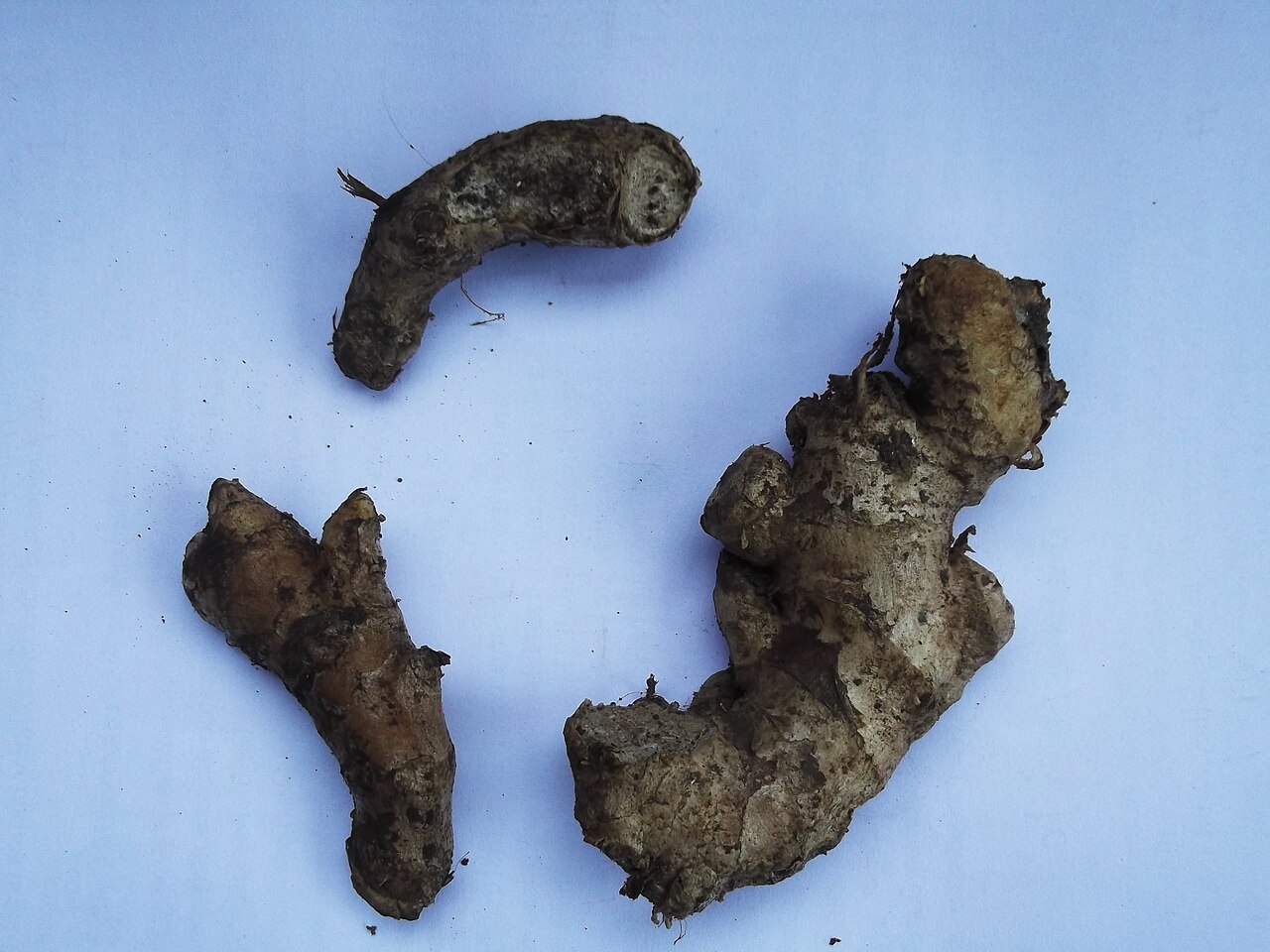
A traditional digestive in almost every herbal tradition. It’s used to settle the stomach and is being studied for helping the stomach empty. Fresh ginger tea is the easy way in. Large amounts can cause heartburn in some people, so start small.
Chamomile
Gentle, calming and traditionally used for an upset, crampy stomach. Skip it if you’re allergic to ragweed or daisies.
Caraway
A traditional bloating herb in Northern Europe, often paired with others in digestive blends. You’ll also find it baked into rye bread.
A word on peppermint
Peppermint is a superstar for IBS-type bloating. But it relaxes the valve at the top of your stomach, and that can make heartburn worse. If you have a hiatal hernia or reflux, go easy on peppermint or check with your doctor first.
Gentle support for a hiatal hernia and reflux

A small hiatal hernia that’s causing heartburn is usually managed with everyday habits first. Mayo Clinic’s list lines up with what naturopaths have recommended for decades:
- Eat smaller meals, more often, instead of a few big ones
- Don’t lie down after eating, and avoid eating late in the evening
- Raise the head of your bed about 8 inches (20 cm). Blocks under the bed legs or a wedge work better than extra pillows, which just bend you at the waist
- Wear loose waistbands
- Work toward a healthy weight and stop smoking
- Notice your triggers. Common ones are fried and fatty foods, tomato sauce, alcohol, chocolate, mint, garlic, onion and caffeine
Belly breathing
Your diaphragm is a muscle, and it helps keep that valve closed. In one small randomized study, people with reflux who practised slow belly breathing had higher pressure at the valve and fewer reflux episodes than people who didn’t. It’s early research, but it’s free and safe.
Soothing herbs traditionally used
- DGL licorice: licorice with the glycyrrhizin removed, traditionally chewed before meals. Regular licorice can raise blood pressure, so DGL is the form people use for the stomach.
- Slippery elm and marshmallow root: these form a soft gel when mixed with water and are traditionally used to coat and soothe. Take them a few hours away from medications, since they can slow how well pills absorb.
What about apple cider vinegar or “hiatal hernia massage”?
Apple cider vinegar is a popular reflux tip online, but there’s no good evidence for it, and for some people it makes the burning worse. More in what the evidence says about ACV.
Some naturopaths, chiropractors and osteopaths use hands-on techniques to ease the diaphragm and “pull the stomach down.” A few small studies have looked at diaphragm work for reflux, but the evidence is thin, and no massage can fix a large hernia. If you try it, see a licensed practitioner and tell them about your diagnosis.
Try this today
Tonight, finish eating at least 3 hours before bed, then put 6–8 inch blocks or a sturdy book stack under the legs at the head of your bed. Two changes, zero cost.
When to see a doctor
Get checked if you have:
- Heartburn more than twice a week, or symptoms that last for weeks
- Trouble swallowing, or pain when you swallow
- Unexplained weight loss
- Bloating with fever, blood in your stool, or a lasting change in your bowel habits
- New digestive symptoms after age 50
Get help right away if you vomit blood or have black, tarry stools. That can mean bleeding in your gut.
Call 911 for chest pain. It can be a heart problem, not heartburn. Also call if you have sudden, severe chest or belly pain with vomiting and you can’t pass gas or have a bowel movement. In rare cases a hernia can get trapped, and that’s an emergency.
Go deeper in the Vault
Vault members get the Acid Reflux: everything in the Vault hub and the Bloating & Gas symptom guide, with full profiles for fennel, ginger, chamomile, licorice, slippery elm and marshmallow root, plus a place to ask questions on the Members Q&A board.
Also available: a guide for acid reflux
If reflux is your main struggle, there’s a step-by-step acid reflux guide, sold by an outside company. It comes as a written version or a video.
Sponsored link. If you buy through it, Clif may earn a commission at no extra cost to you. The claims on the seller’s page are theirs, not ours, and haven’t been checked by us. It’s not a substitute for seeing your doctor.
Educational only, not medical advice. This information has not been evaluated by the FDA or Health Canada and is not intended to diagnose, treat, cure, or prevent any disease. Talk to your healthcare provider before starting any remedy, supplement, or detox, especially if you are pregnant, nursing, taking medication, or managing a health condition. Read our full Medical Disclaimer.