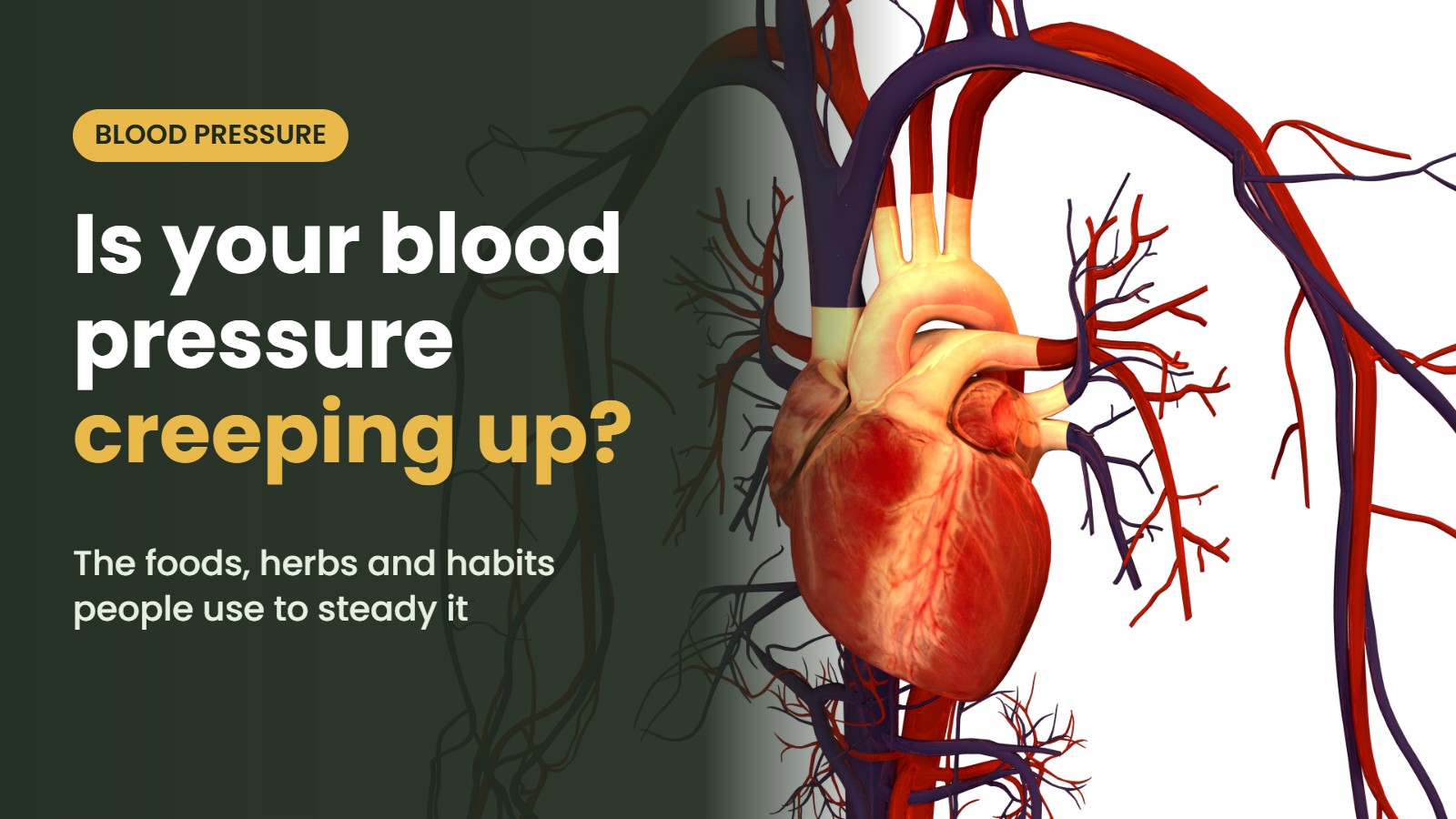
Blood pressure is the quiet number. No pain. No warning. Just a reading that creeps up over years.
Nearly half of US adults have high blood pressure, by the CDC’s count, and many don’t know it. In Canada it’s roughly one adult in four.
The good news? It responds to everyday choices. Here’s what people lean on, and where the cautions sit.
Quick take
- Food comes first: less sodium, more potassium-rich plants and the DASH way of eating have the strongest track record.
- Hibiscus tea, garlic, hawthorn and beets are the traditional favourites, and some have small studies behind them.
- Several of them can stack with blood pressure medicine, so talk to your doctor before adding them, and never stop a prescription on your own.
Know your numbers first
In the US, the American Heart Association and American College of Cardiology guideline (updated in 2025) uses these bands:
- Normal: under 120 and under 80
- Elevated: 120–129 and under 80
- Stage 1 high: 130–139 or 80–89
- Stage 2 high: 140 or more, or 90 or more
In Canada, doctors follow Hypertension Canada’s guideline, which uses its own thresholds and targets. Your doctor will tell you which numbers apply to you.
Food first: the plate does the heavy lifting
Ease off the salt (most of it is hidden)
The Dietary Guidelines for Americans say keep sodium under 2,300 mg a day. Health Canada uses the same mark. The American Heart Association says 1,500 mg is ideal for many adults.
Most of it hides in bread, deli meats, soups, sauces and takeout, so labels are where the wins are.
Turn up the potassium
Potassium helps the body let go of sodium. The US target (National Academies) is 2,600 mg a day for women and 3,400 mg for men; Canada uses the same values.
Get it from food: beans, lentils, potatoes, squash, leafy greens, bananas, avocado, yogurt. Skip potassium pills and salt substitutes unless your doctor okays them, especially with kidney disease or on ACE inhibitors, ARBs or potassium-sparing diuretics.
The DASH way of eating
DASH came out of US National Institutes of Health research: lots of vegetables, fruit, whole grains, beans, nuts and low-fat dairy; less red meat, sugar and salt. In trials it lowered readings within weeks.
Beets and leafy greens
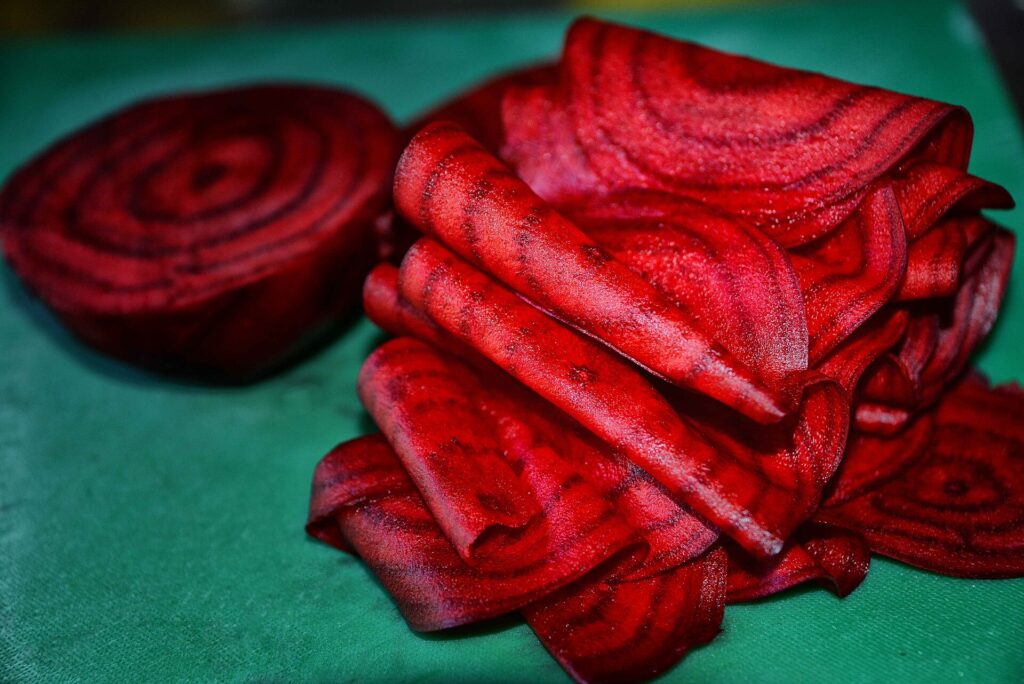
Beets, spinach, arugula and celery are rich in natural nitrate. The body turns it into nitric oxide, which helps blood vessels relax. Reviews of beetroot juice studies show small, short-term drops in systolic pressure.
Whole beets, juice or powder all count. Pink urine afterwards is harmless. Beets are high in oxalate, so go easy if you’ve had kidney stones.
Prefer a capsule? Some people use Beet Root with Grapeseed Extract.
Also available: a beet root supplement
A beet root capsule with grapeseed extract, for people who don’t enjoy beets or juice, sold by an outside company. It’s a food-based supplement, not a blood pressure medicine. Skip it if you’ve had oxalate kidney stones, and check with your doctor first if you take blood pressure or blood-thinning medicine.
Sponsored link. If you buy through it, Clif may earn a commission at no extra cost to you. The claims on the seller’s page are theirs, not ours, and haven’t been checked by us. It’s not a substitute for seeing your doctor.
Herbs can nudge the number. Your plate and your feet move it most.
The herbs people reach for
US note: the FDA doesn’t approve herbal products or set doses for them, so there’s no US standard amount. Choose a product with a USP or NSF seal and follow its label. In Canada, look for an 8-digit NPN; Health Canada (and the EMA in Europe) publish monographs for some of these herbs.
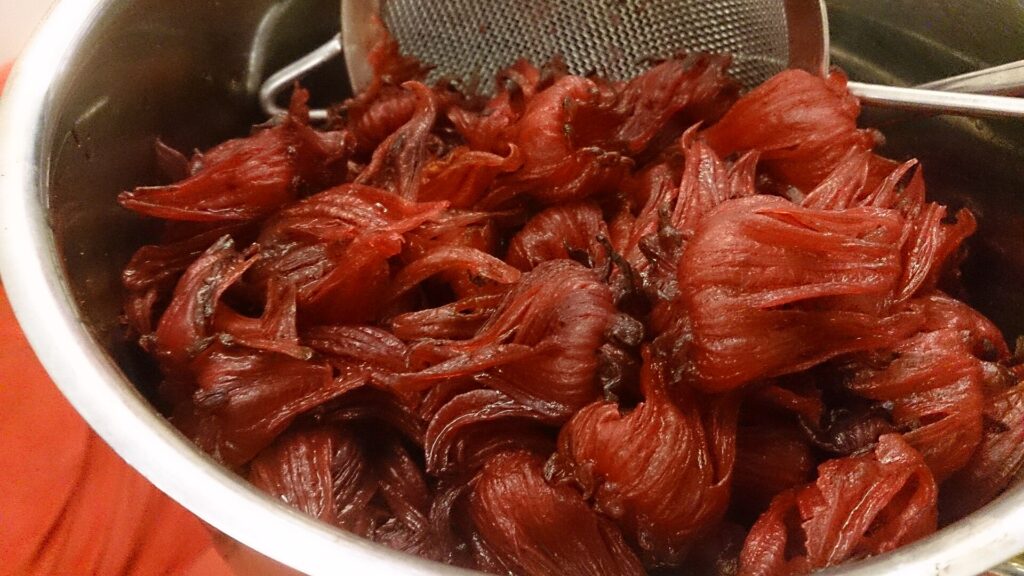
Hibiscus tea
The tart, ruby-red tea made from Hibiscus sabdariffa (roselle), a traditional drink from Mexico to West Africa.
It’s also one of the better-studied herbs here. In a US Department of Agriculture–funded trial, adults with mildly raised readings who drank three cups a day for six weeks saw a modest drop in systolic pressure.
Be careful if: you’re pregnant or trying to conceive, you take blood pressure medicine or a diuretic (it may add to the effect), or you take diabetes medicine.
Garlic
A kitchen staple and an old heart herb. Reviews of trials, mostly using aged garlic extract, suggest a modest drop in readings in people whose blood pressure is already high. Cooking with plenty of fresh garlic is the simplest start (we cover it in our spice-rack post).
Be careful if: you take blood thinners like warfarin, have a bleeding disorder, or have surgery coming up.
Hawthorn
European herbalists have used hawthorn as a heart tonic for centuries, and the EMA has a traditional-use monograph for the leaf and flower. Blood pressure research is small and mixed; the US National Center for Complementary and Integrative Health says there isn’t enough evidence to know if it helps.
Be careful if: you take any heart medicine, including digoxin, beta-blockers, calcium channel blockers or nitrates. Hawthorn may add to their effects. This one is a must-ask for your doctor.
Also on the list
- Olive leaf extract: being studied for blood pressure, with a few small trials.
- Celery seed: traditionally used in Ayurvedic and Western herbalism; human evidence is thin.
- Magnesium: some people find it helps alongside a good diet; effects in studies are small. The US upper limit for supplements is 350 mg a day (NIH ODS), and Canada uses the same. Skip it with kidney disease unless your doctor says yes.
Everyday habits that move the numbers
- Move most days. The Physical Activity Guidelines for Americans call for 150 minutes of moderate activity a week plus two days of strength work; Canada’s 24-Hour Movement Guidelines say the same. Brisk walking counts.
- Drink less alcohol. The Dietary Guidelines for Americans say drink less; Canada’s Guidance on Alcohol and Health suggests 2 drinks a week or fewer.
- Protect your sleep. Short sleep and untreated sleep apnea both push readings up.
- Quit smoking. Help is free at 1-800-QUIT-NOW in the US and 1-866-366-3667 in Canada.
- Watch the hidden raisers. Black licorice, decongestants, NSAID painkillers (like ibuprofen) and lots of caffeine can all push the number up.
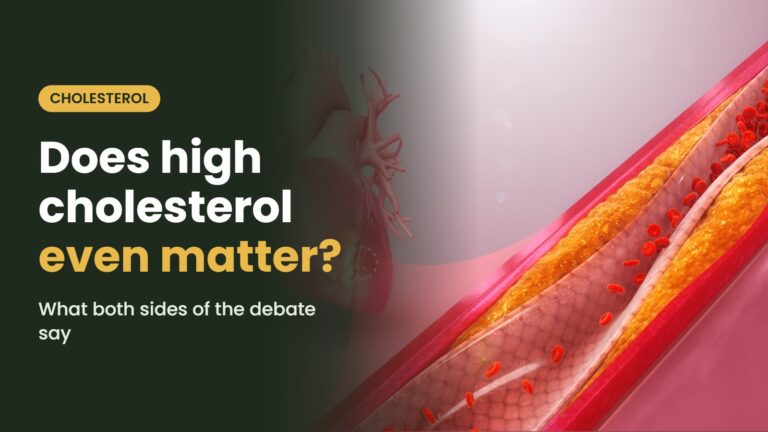
Watching cholesterol too? See what both sides of the cholesterol debate say.
Check your cuff, then track
- Use an upper-arm cuff that fits your arm. Wrist and finger devices are less reliable.
- In the US, check that it’s on the US Validated Device Listing (validatebp.org). In Canada, look for Hypertension Canada’s recommended-device logo.
- Sit quietly for 5 minutes first, feet flat, arm at heart level.
- Take two readings morning and evening for a week, and write them down.
Who should be careful
- Anyone on blood pressure medicine. Herbs and supplements can stack with it and drop you too low. Dizziness or light-headedness when you stand is a sign to call your doctor.
- Never stop or cut a prescription on your own, even if your home readings improve. Bring the numbers to your doctor and decide together.
- Pregnant or breastfeeding? Skip the herbs here unless your care provider says yes. High blood pressure in pregnancy needs medical care.
- Kidney disease: be careful with potassium, magnesium and salt substitutes.
When to see a doctor
- Call 911 (US and Canada) if a reading is 180/120 or higher and you have chest pain, shortness of breath, back pain, numbness or weakness, a change in vision or trouble speaking.
- If you get 180/120 or higher with no symptoms, wait five minutes and recheck. Still that high? Contact your doctor right away.
- Book a visit if your home readings stay at 130/80 or above, or if you’re pregnant and your readings rise.
Also available: a blood pressure program
If you’d like a step-by-step plan built around diet and lifestyle, there’s a blood pressure program (a guide), sold by an outside company. Use it alongside your doctor’s care, not instead of it, and keep taking any prescribed medicine.
Sponsored link. If you buy through it, Clif may earn a commission at no extra cost to you. The claims on the seller’s page are theirs, not ours, and haven’t been checked by us. It’s not a substitute for seeing your doctor.
Try this today
Pick three packaged foods you eat most often and check the sodium on each label. Swap the saltiest one for a lower-sodium version or a whole-food option, and add one potassium-rich food (beans, a potato, leafy greens) to dinner tonight.
Go deeper in the Vault
Members get the High Blood Pressure guide, which pulls together the remedies, herbs and habits in one place, plus full Herbal Library profiles for hibiscus, garlic, hawthorn, olive leaf, celery seed and magnesium with typical amounts, safety notes and interactions. The free High Blood Pressure page in the Remedy Library is a good place to start. See what’s in the Remedies Vault.
Educational only, not medical advice. This information has not been evaluated by the FDA or Health Canada and is not intended to diagnose, treat, cure, or prevent any disease. Talk to your healthcare provider before starting any remedy, supplement, or detox, especially if you are pregnant, nursing, taking medication, or managing a health condition. Read our full Medical Disclaimer.