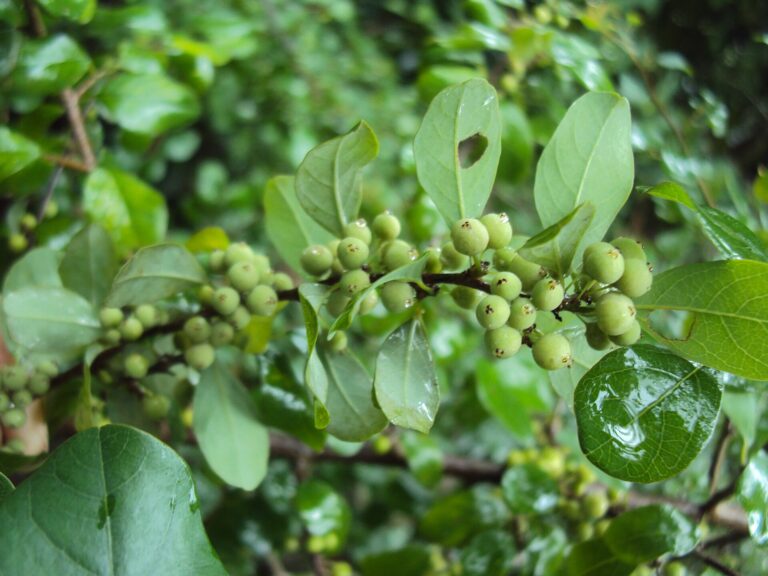
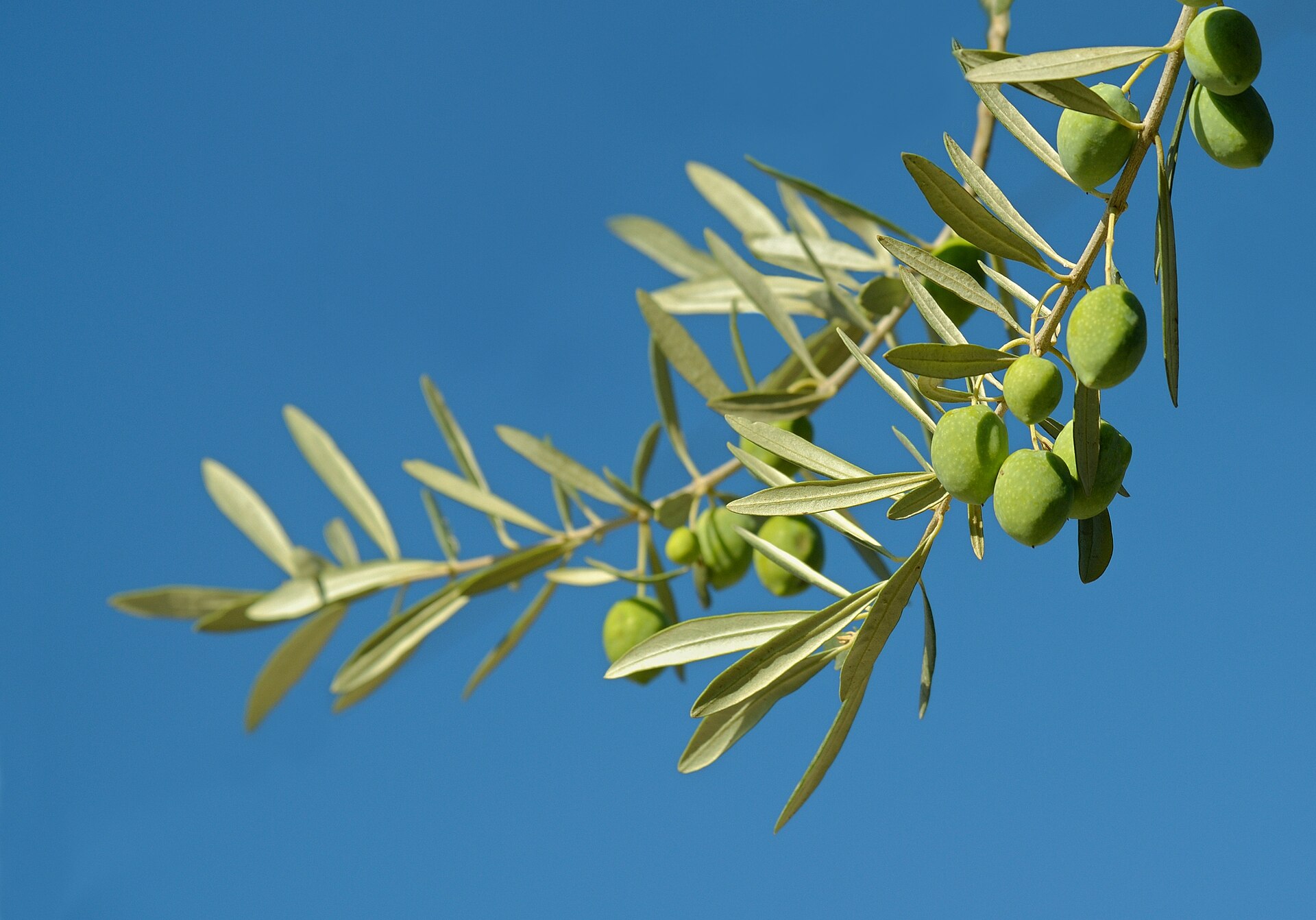
The silver-green leaves of the olive tree, one of the oldest cultivated trees on earth, have been brewed into a bitter tea around the Mediterranean for centuries. Here’s what tradition and research say about them, and who should be careful.
Similar Posts
Guggul
Guggul is the fragrant resin at the heart of Ayurveda's "guggulu" tablets, used for centuries for joints, weight and skin. Here's what the tradition uses it for, why a well-known US trial surprised everyone, and the rash, thyroid and medicine cautions to know first. The tree is also critically endangered, so where it comes from matters.
Chaga Mushroom
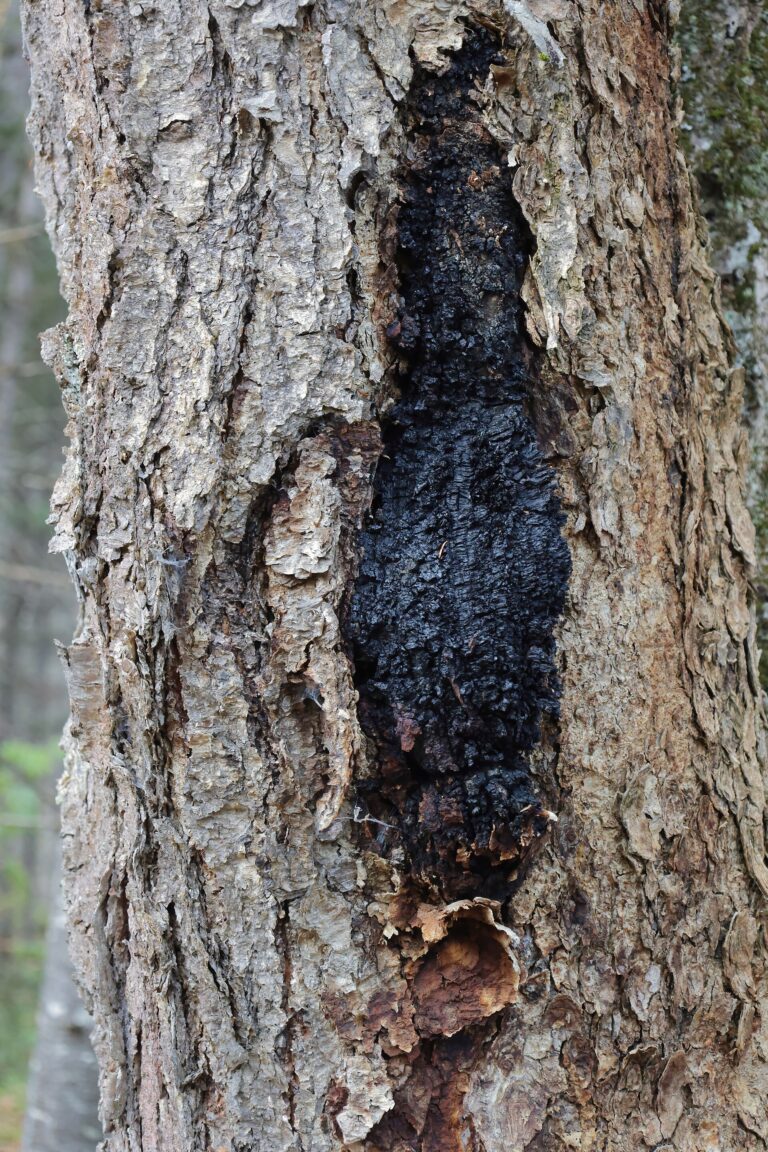
Chaga is the black, crusty "birch conk" of the northern forests, brewed for centuries into a dark, earthy tea in Siberia, Scandinavia and Indigenous North America. Here's where it comes from, what the research actually shows so far, and the kidney caution everyone should know before trying it.
Sarsaparilla
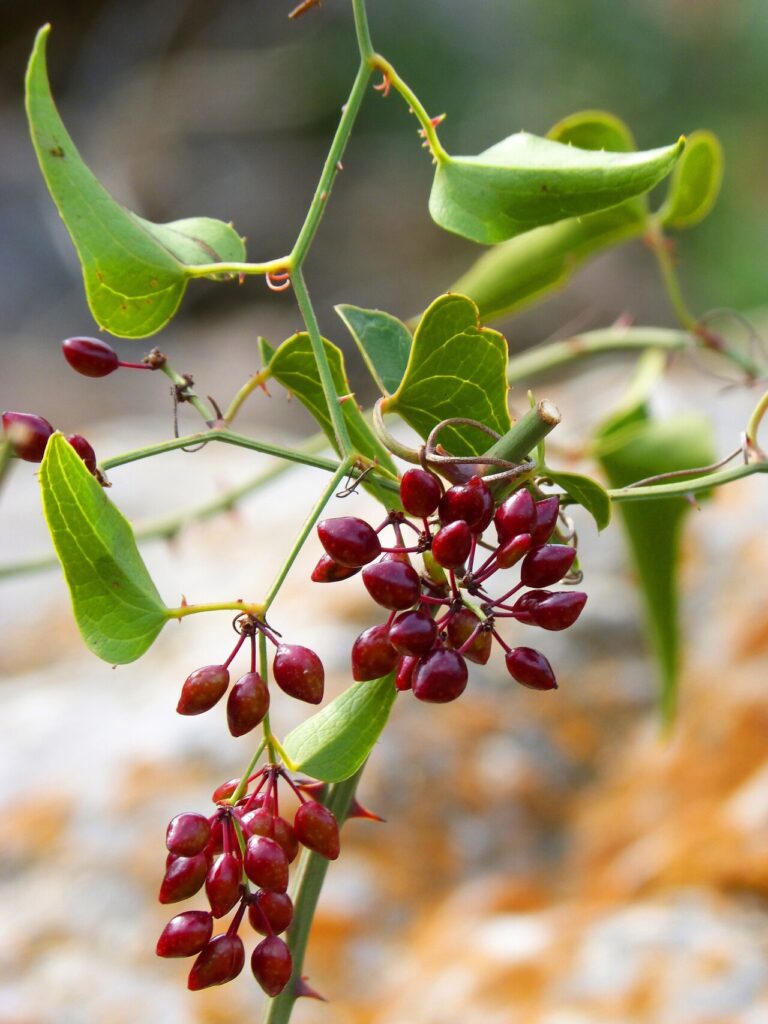
Sarsaparilla root was one of the most famous "blood purifiers" of European and American medicine for about three centuries, and it still turns up in blood-cleanse, skin and men's tonic blends. Members get the full entry: its history, why doctors doubted it as early as the 1850s, what the research does and doesn't show, and its digoxin, lithium and kidney cautions.
Papaya Seeds
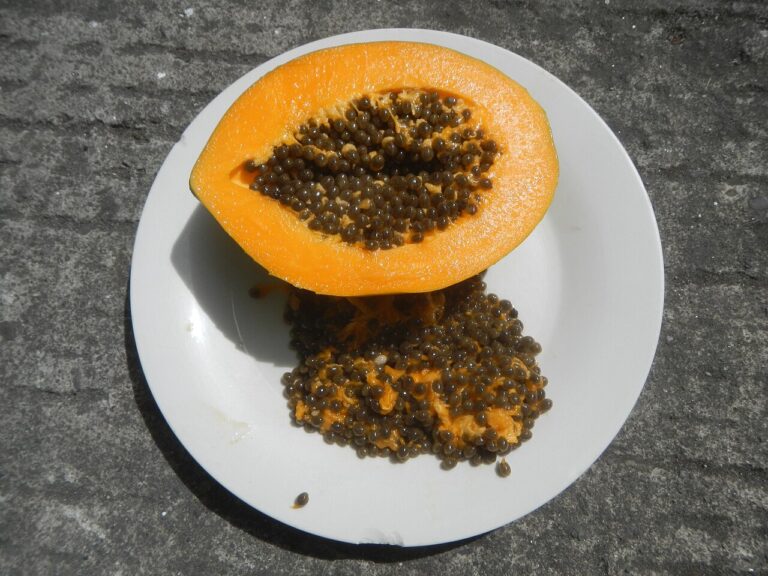
Those small black seeds you scoop out of a papaya have a long folk reputation as a worm remedy, and they've lately become a social-media "parasite cleanse". Members get the full entry: where the idea comes from, the two small studies in children behind it, typical amounts used in research, and the fertility and pregnancy cautions to know first.
Sea Moss (Irish Moss)
A red seaweed from rocky North Atlantic shores that Irish families boiled into a soothing drink for coughs and colds, and that Caribbean kitchens turned into a thick, spiced milk drink for strength. Today it's a popular gel and gummy sold as a mineral-rich "superfood".
Asafoetida (Hing)
Asafoetida, or hing, is the pungent resin that Indian cooks add by the pinch to beans and lentils, and that Ayurvedic and Persian healers have long used for wind and sluggish digestion. Here's what traditions use it for, what the small trials found, and who should keep it to food amounts.