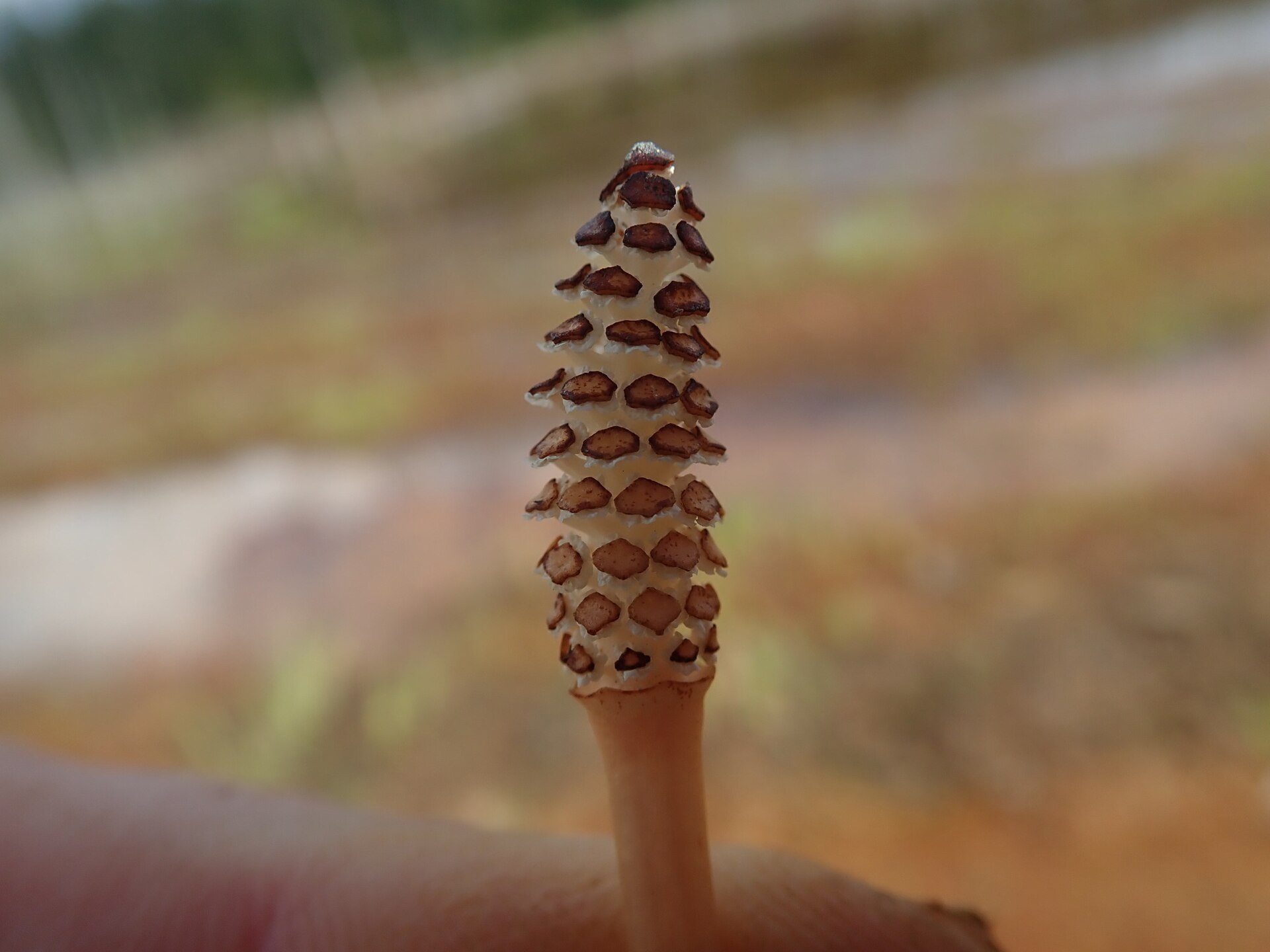
An ancient, jointed plant that looks like a little green bottle brush, horsetail is so rich in silica that people once used it to scrub pots and sand canoes. Here’s what tradition and research say about it, and why it should be used carefully.
Similar Posts
Fenugreek
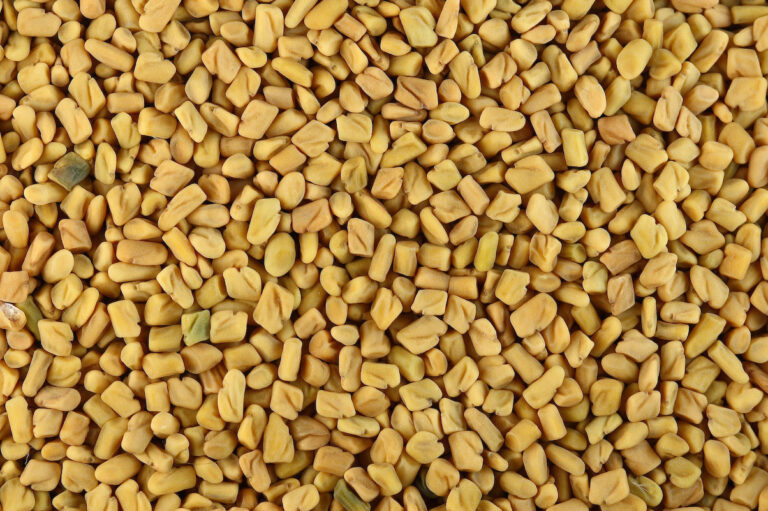
A small golden seed that has flavoured curries and fed nursing mothers for thousands of years, from ancient Egypt to India. Its maple-syrup aroma is the same one that famously lingers on the skin of people who take it.
Lavender
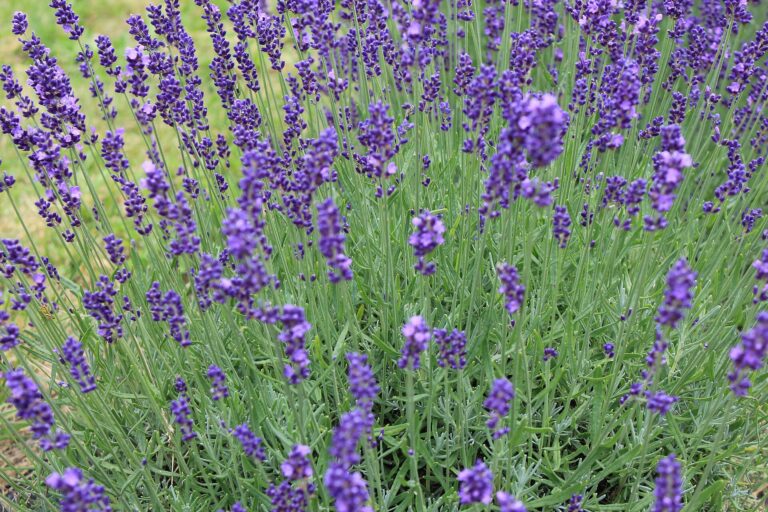
Lavender is the classic calming flower, sipped as a gentle evening tea, added to baths and breathed in from the oil. In Europe the flower tea is an approved traditional remedy for mild stress and to help with sleep.
Bloating: natural options
Peppermint oil, caraway and fennel, low-FODMAP, belly breathing, enzymes and gut-directed hypnotherapy: the vault's full guide to the natural options people use for bloating, with each one labelled by how good the evidence is and the warning signs that mean see a doctor first.
Olive Leaf
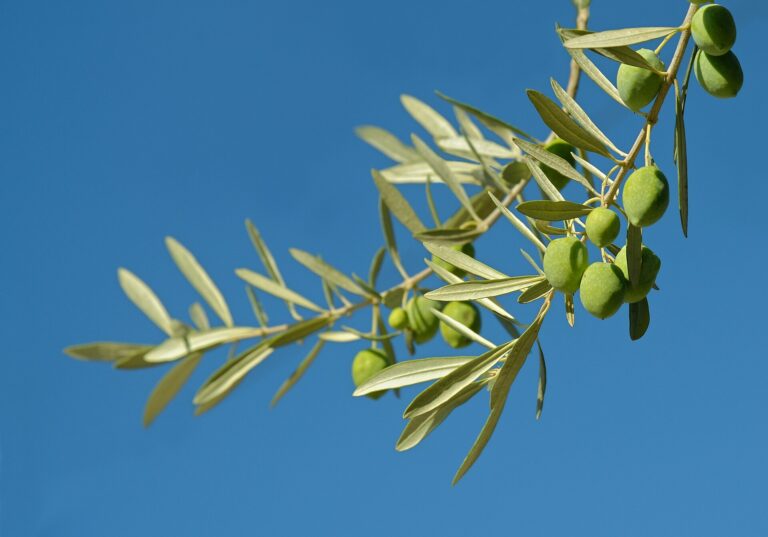
The silver-green leaves of the olive tree, one of the oldest cultivated trees on earth, have been brewed into a bitter tea around the Mediterranean for centuries. Here's what tradition and research say about them, and who should be careful.
Maca
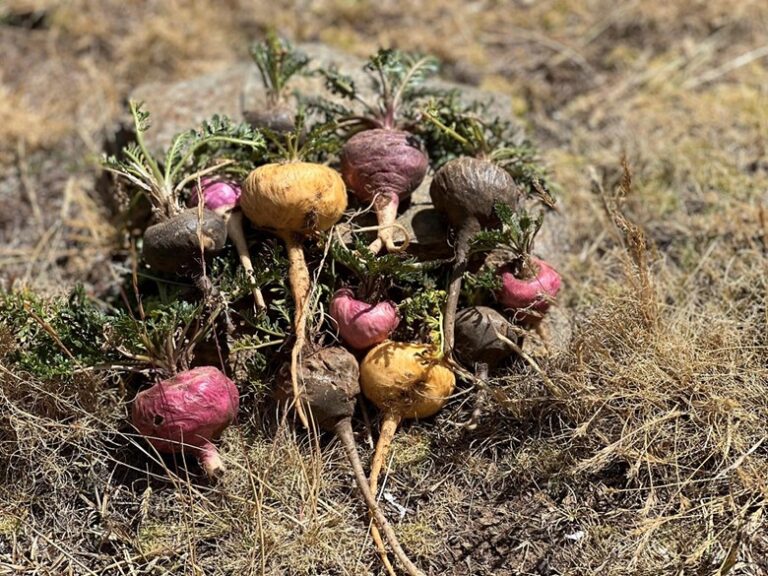
A hardy root from the high Peruvian Andes, grown at around 4,000 metres for up to 2,000 years. Andean families have long eaten it as a staple food and an energizing tonic, and today it's one of the most popular "superfood" roots for energy and vitality.
Rose Petal
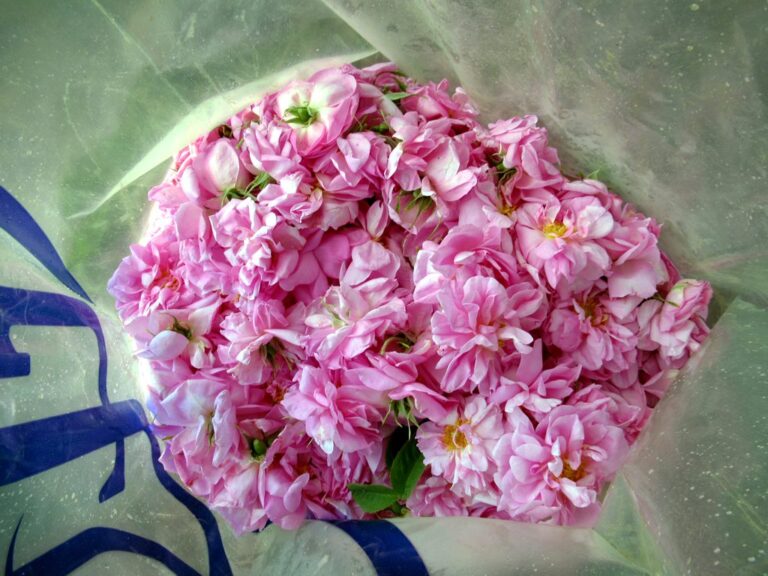
Long before rose was a perfume, Persian, Greek and European healers used the petals for sore mouths, nervous hearts and slow bowels. Today the EU recognises rose flower infusions for mild mouth, throat and skin inflammation, and one study tested rose tea for period pain. Here's the tradition, the research, how to brew it, and the cautions that matter.