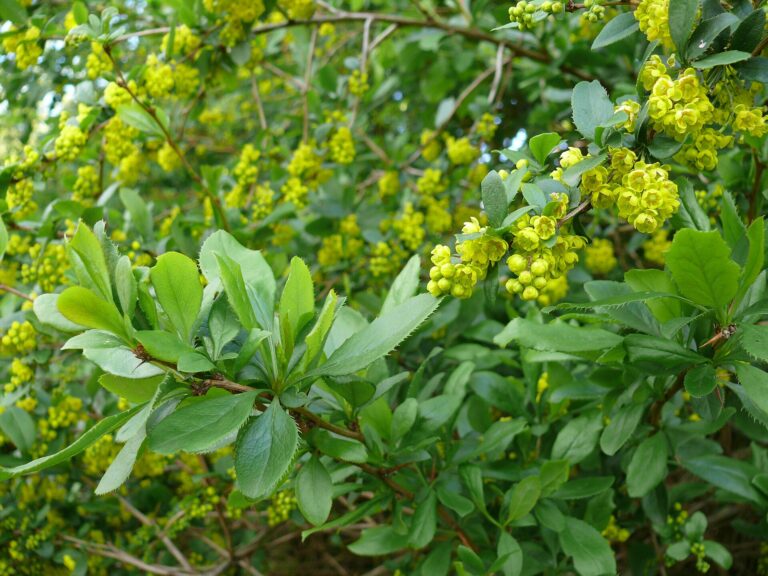
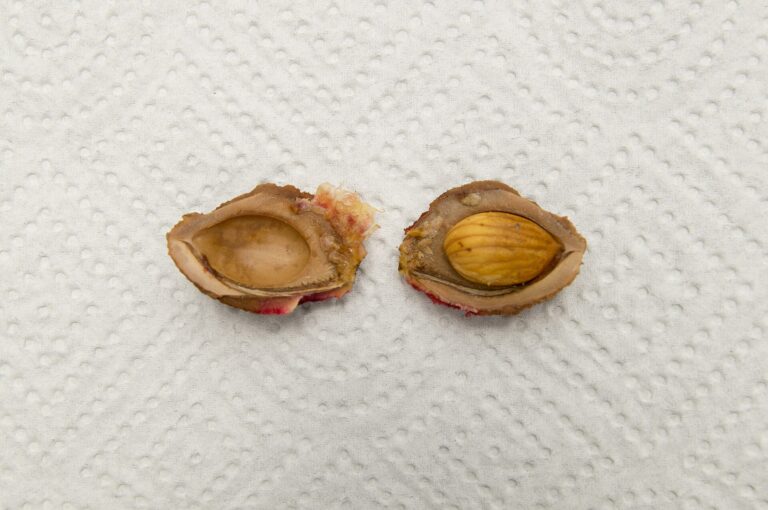
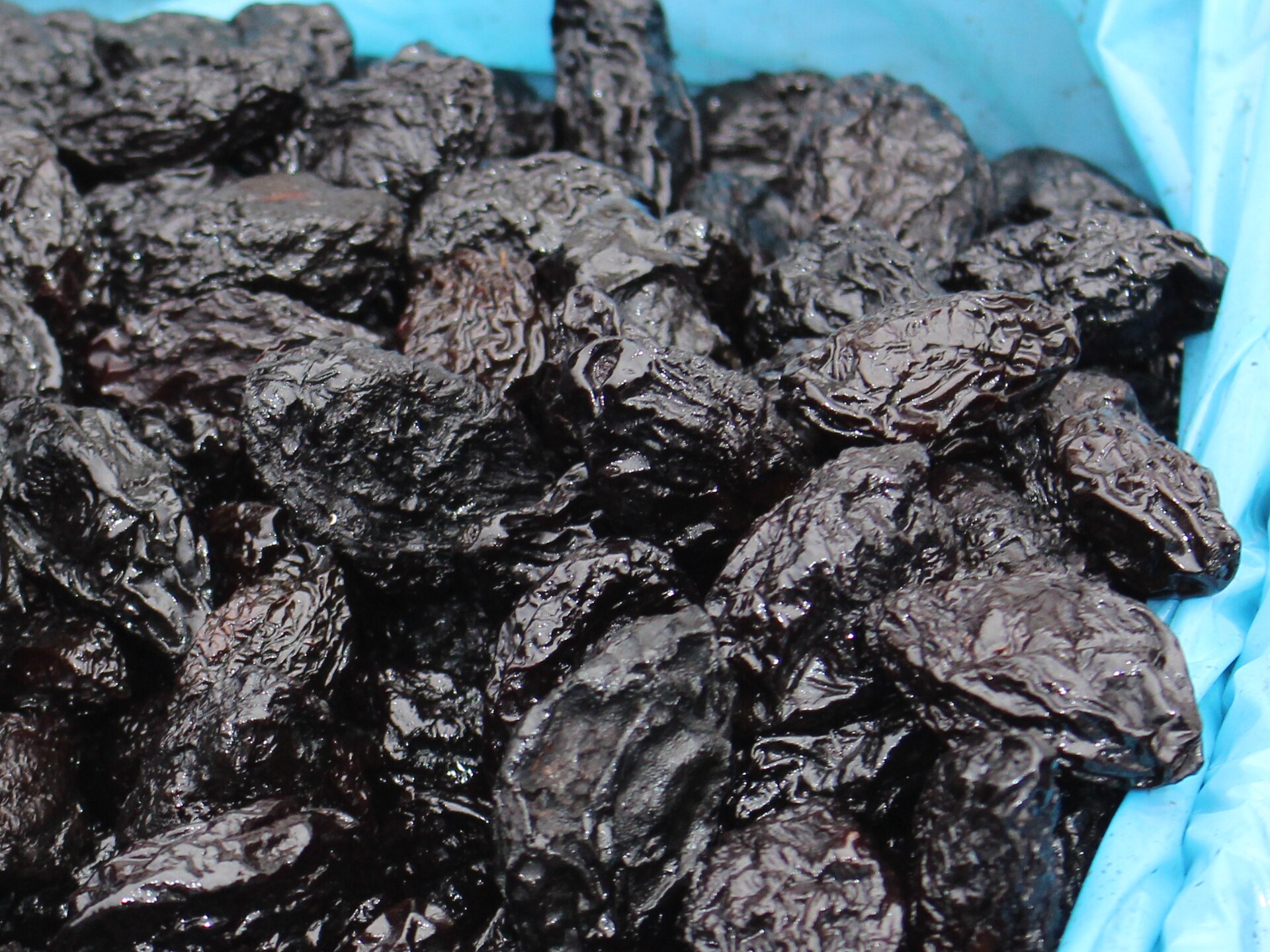
A trace mineral most people have never thought about, found in prunes, avocados and raisins, and getting a lot of attention for joints, bones and hormones. Here’s what it does, how much is in food, and where the safe ceiling sits.
Similar Posts
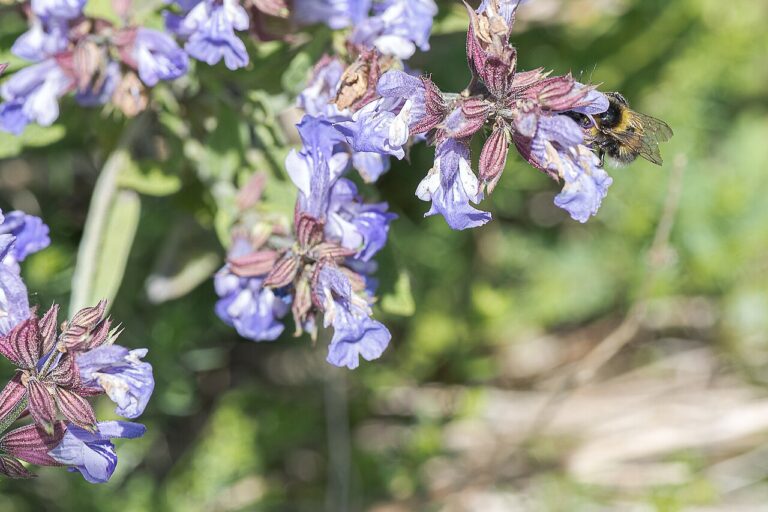
Sage
The grey-green kitchen herb of stuffing and brown butter has one of the longest medicinal records in Europe — "Sage the Saviour" to the medieval school of Salerno. Members can read what it has been used for, from sore throats and night sweats to memory, and how to use it well.
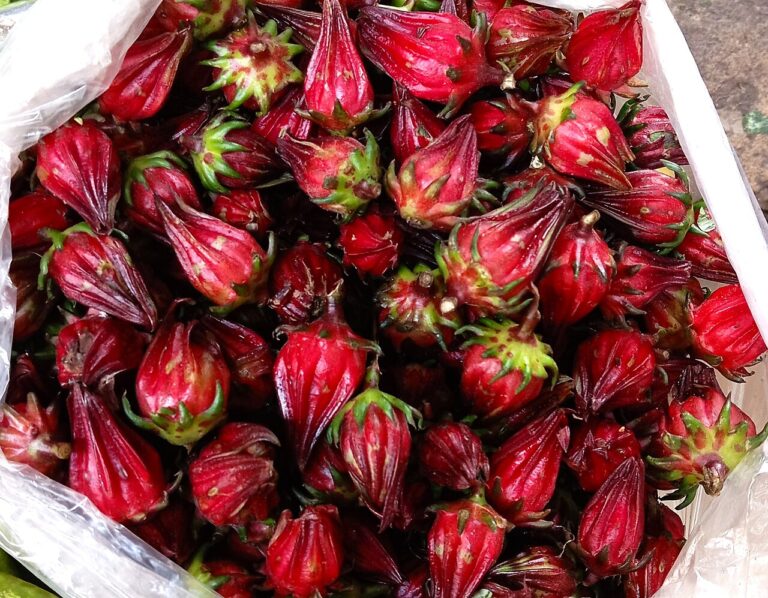
Hibiscus
Tart, ruby-red hibiscus tea is drunk hot or iced from Egypt to Mexico and is one of the most-studied herbal teas for heart wellness. Here's what traditions use it for, what the trials show, how people brew it, and who should check first.
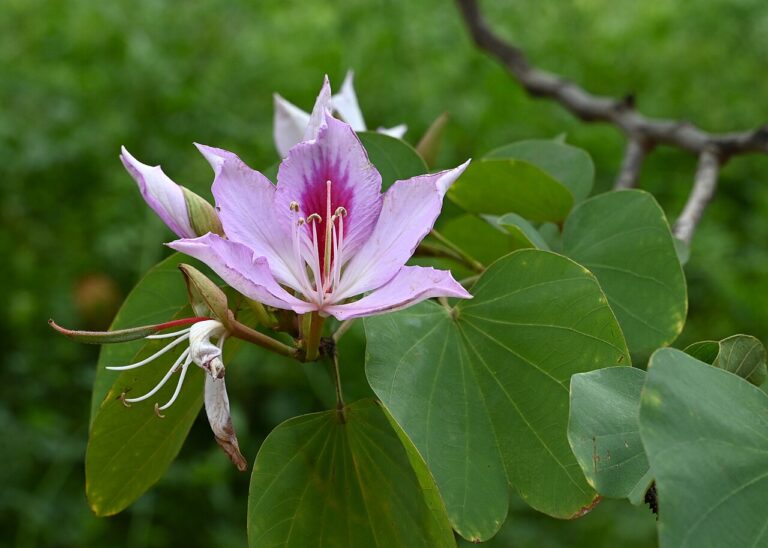
Kanchanar
A flowering orchid tree whose bark is the heart of Kanchanar guggulu, one of Ayurveda's best-known formulas for swellings and glands. Here's what tradition says about it.
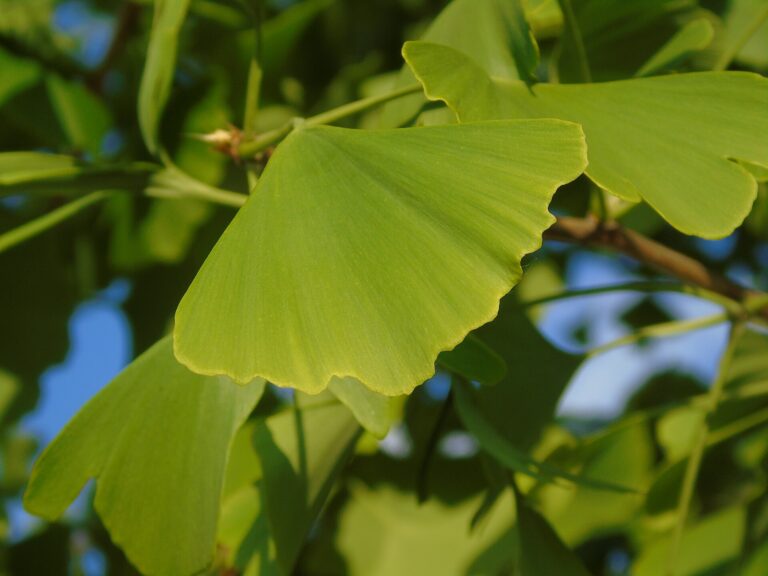
Ginkgo
One of the oldest tree species on earth, long planted beside Buddhist temples in China and now grown on city streets across Canada. Its fan-shaped leaves became one of Europe's best-known herbal medicines for memory and circulation.
Berberine
Berberine is the bright-yellow compound behind some of the oldest bitter remedies in Ayurveda and Chinese medicine, from Indian barberry to Chinese goldthread. Today it is one of the most-studied plant compounds for metabolic health, and one of the most interaction-prone, so it is worth reading the safety section first.
Peach Kernel (Tao Ren)
Peach kernel is a classic Chinese herb for menstrual pain and constipation, but the raw seed contains amygdalin, which the body turns into cyanide. This profile explains the tradition and why it's a practitioner-only herb.