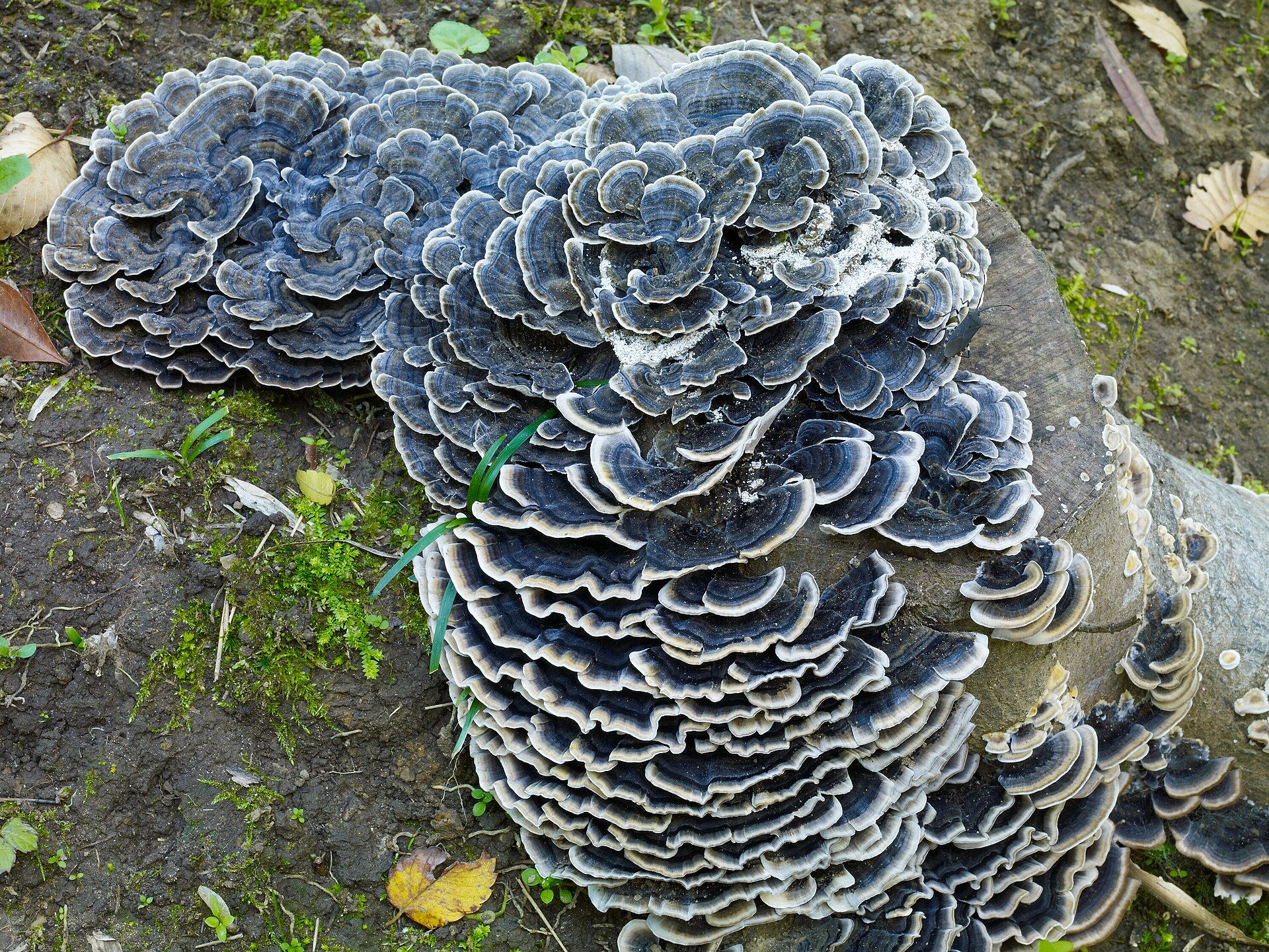
A striped, fan-shaped mushroom that grows on fallen logs across North America, Europe and Asia, turkey tail is one of the most studied medicinal mushrooms in the world. It has a long history in Chinese and Japanese medicine as an immune tonic, and its extracts are used in hospitals in Japan and China.
Similar Posts
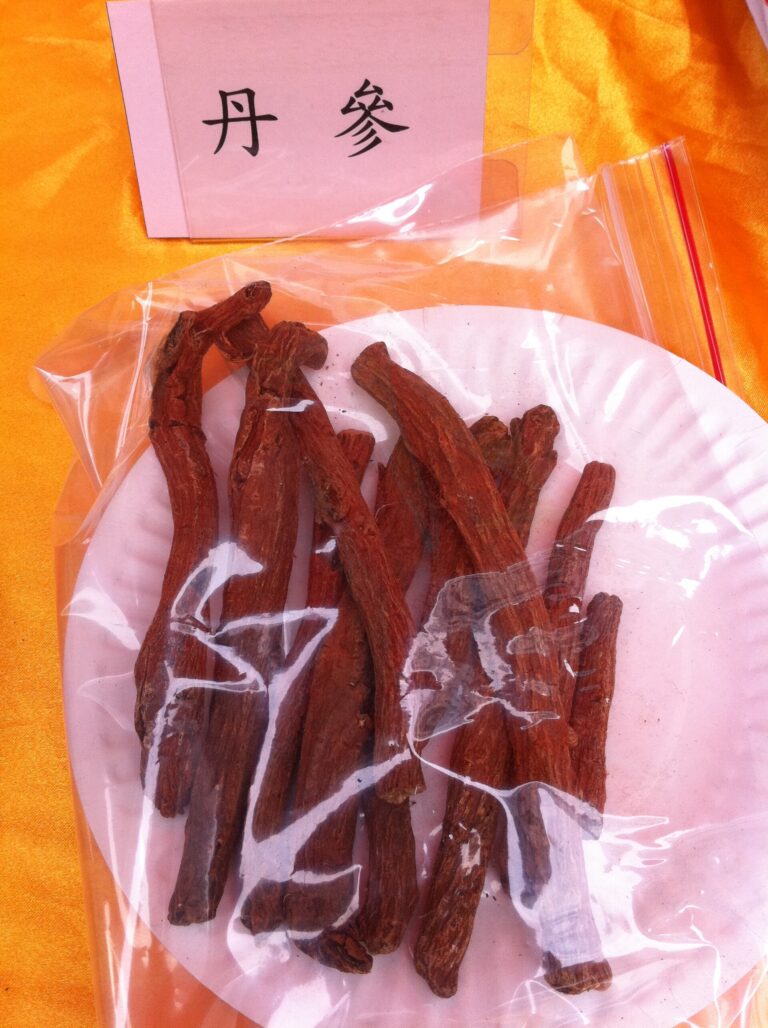
Danshen (Safety Profile)
Danshen, the red root of a Chinese sage, is one of the most-used herbs in Chinese medicine for the heart and circulation. It also thins the blood, which makes it one of the riskiest herbs to mix with warfarin and other blood thinners.
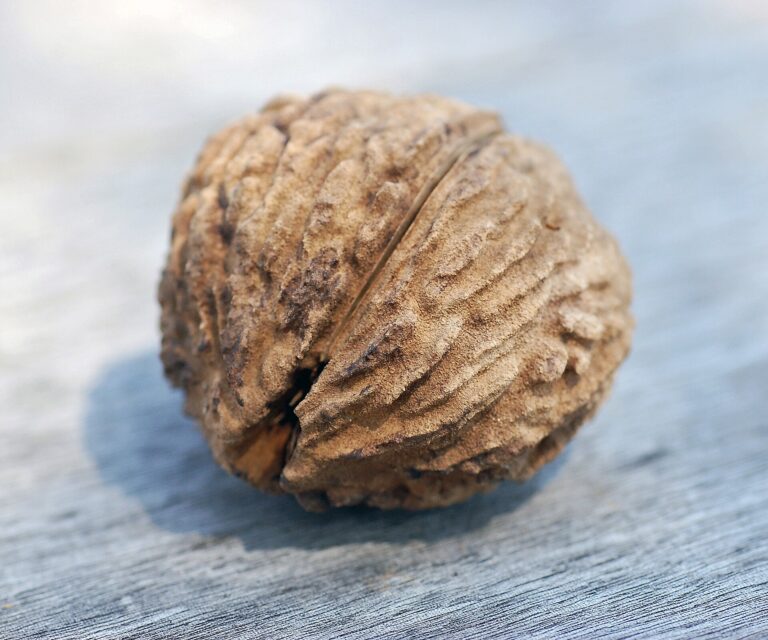
Black Walnut Hull
Black walnut hull is the bitter, dark-staining husk at the heart of the classic "wormwood, black walnut and clove" parasite cleanse. Members can read its traditional story, what the research does and doesn't show, and the safety points to know first.
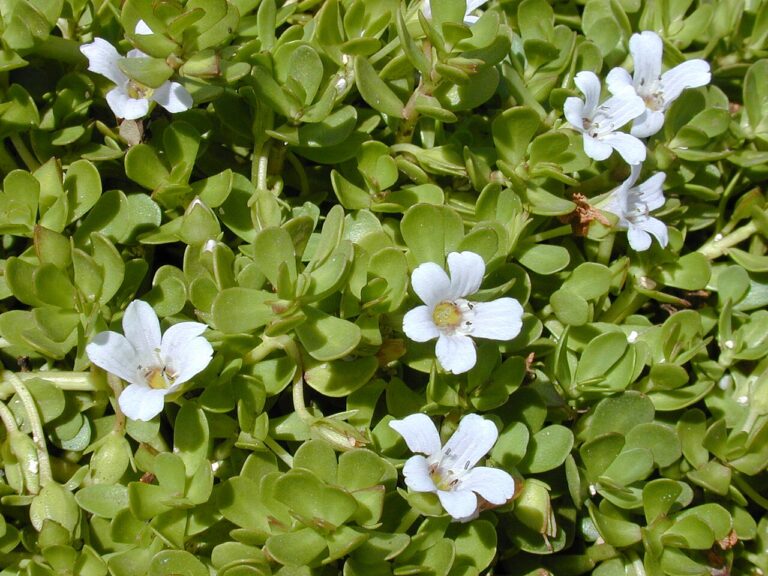
Bacopa (Brahmi)
Bacopa is the creeping wetland herb Ayurveda has prized for centuries as a "medhya" tonic for memory and the mind, and one of the most-studied memory herbs today. Members get the full profile: every traditional use, what the trials really showed, the official amounts, and the side effects and drug interactions to know first.
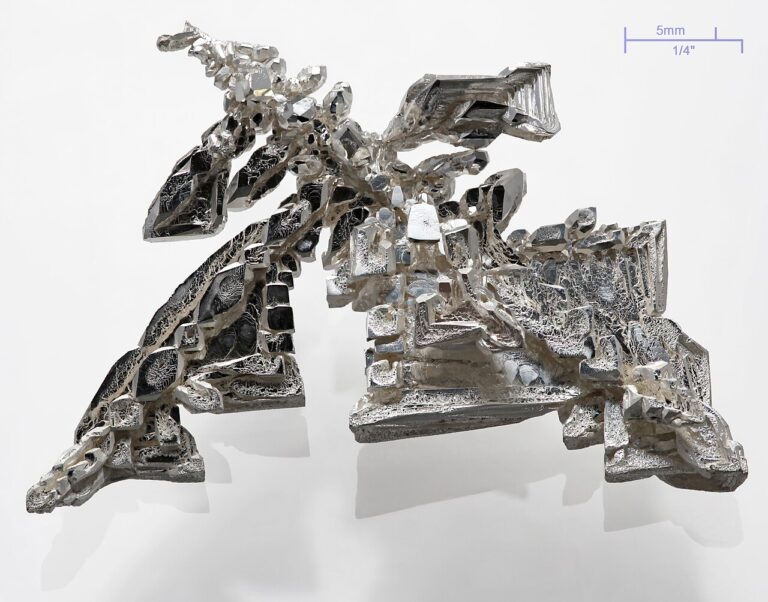
Colloidal Silver
Colloidal silver is one of the most talked-about "natural antibiotics" online. Before you buy it, read why health regulators in Canada and the US warn against taking it, and what silver's real history in medicine looks like.
Black Cohosh
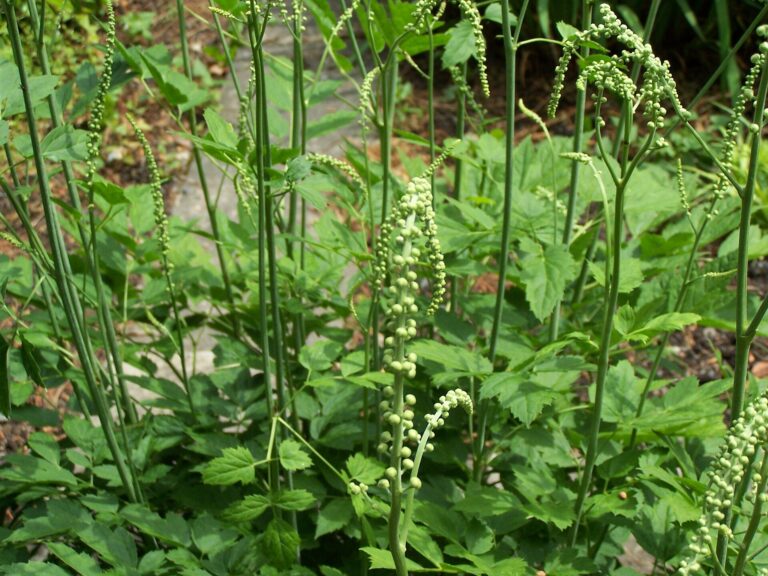
A tall woodland plant with white flower spikes, used by Indigenous peoples of eastern North America and by 19th-century Eclectic doctors, and now one of the best-known herbs for hot flushes. Here's what the tradition used it for, what the menopause studies really show, the EU amounts, and why its rare liver warning matters.
Pumpkin Seed
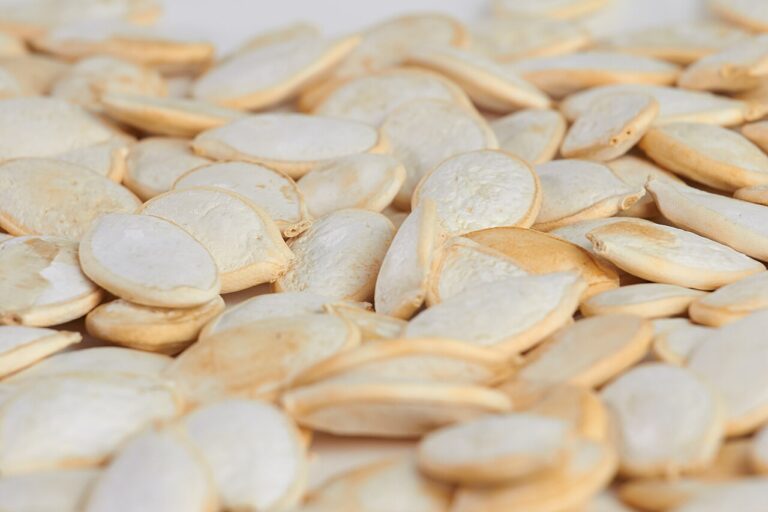
Pumpkin seed is one of the few everyday foods with an official European herbal monograph, for men's night-time bathroom trips and an overactive bladder. Members get the full profile: every traditional use, the large prostate trial and what it really showed, the official amounts, and who should check first.