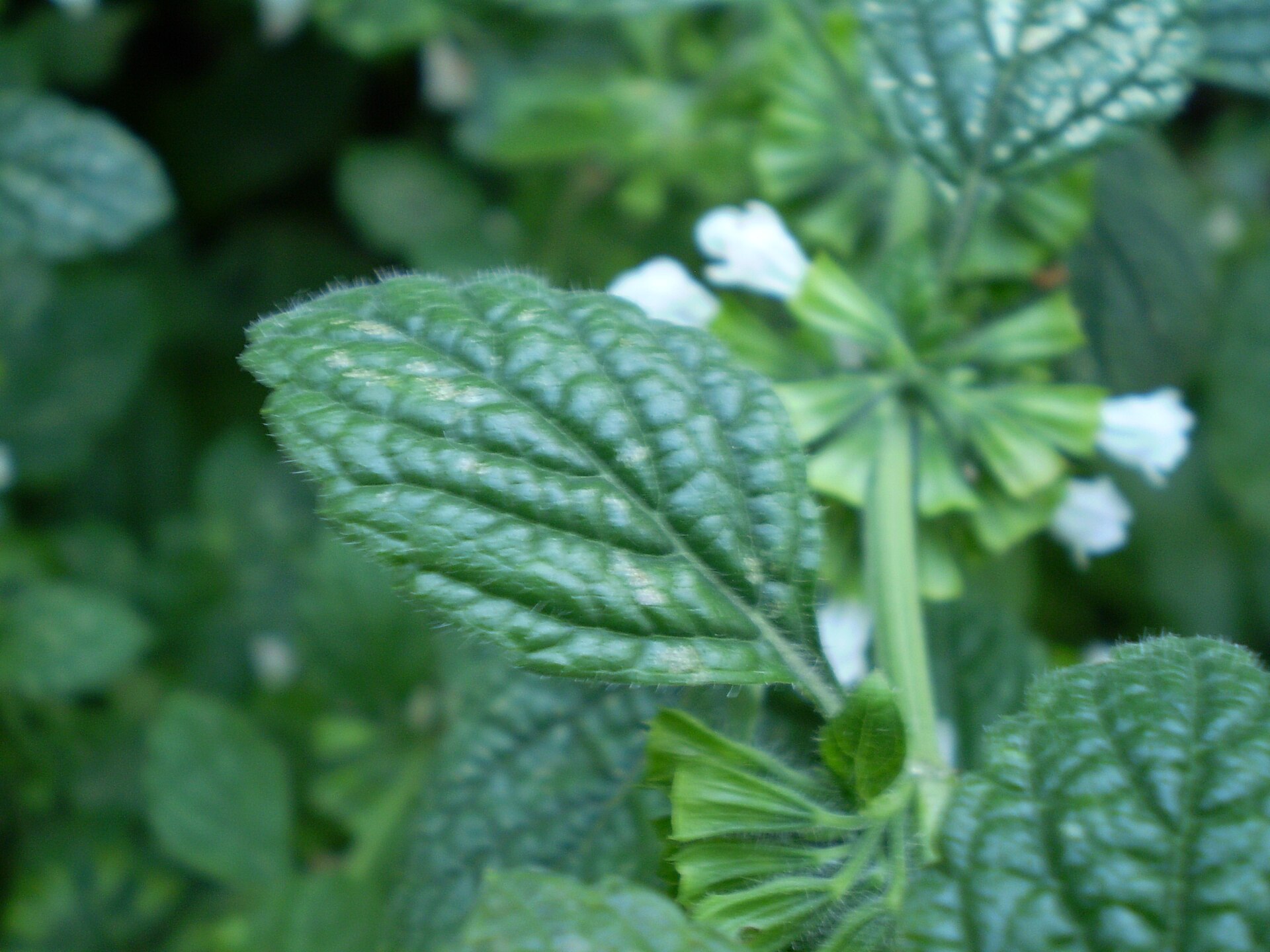
Peppermint has settled stomachs and freshened breath since ancient Egypt, and today it’s one of the few herbs with solid research behind it, especially for an irritable gut. Here’s how tradition uses the leaf and the oil, what the studies show, and who should skip it.
Similar Posts
Vidari (Indian Kudzu)
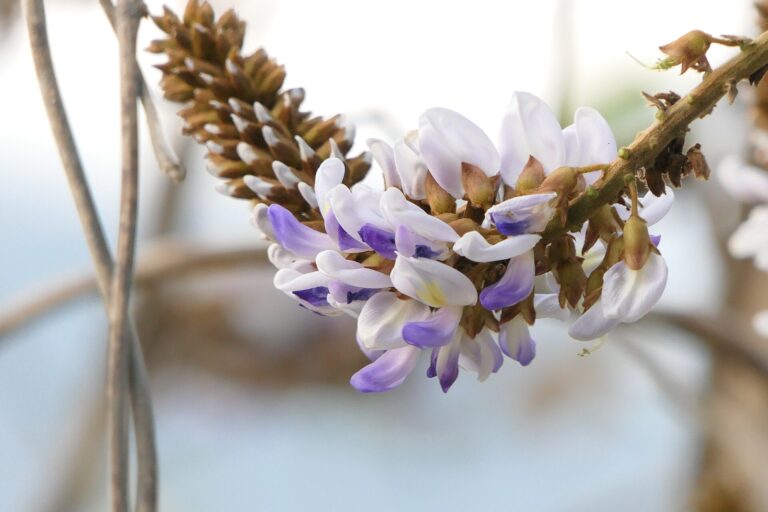
Vidari is a sweet, cooling Ayurvedic root used as a strength-building rejuvenative, a traditional aid for new mothers' milk, and a pitta-soothing herb in acid-indigestion regimes. Here's what the tradition says, the (mostly animal) research on its isoflavones, why it's often mixed up with other "vidari" roots, and who should skip it.
Saw Palmetto
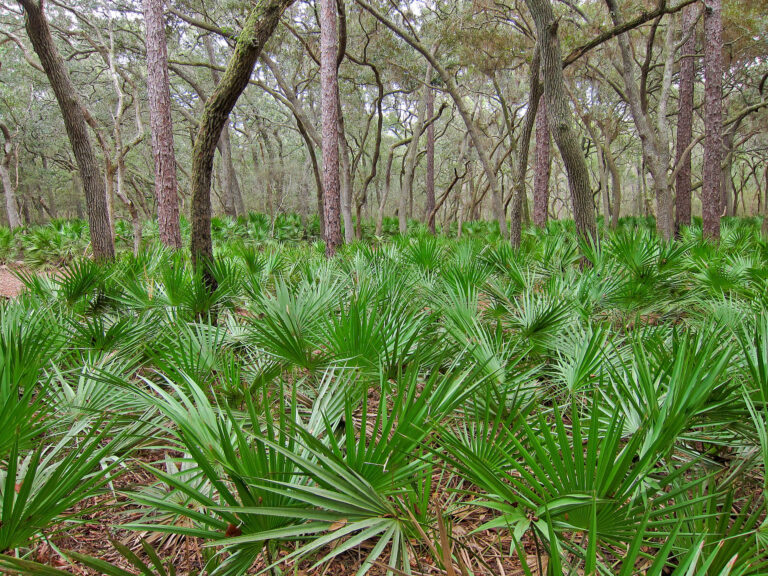
A small Florida palm whose dark berries were food for the Seminole and Ais peoples and became the best-known men's herb in Europe and North America. Here's what tradition and research say about it, and who should be careful.
Goldenseal
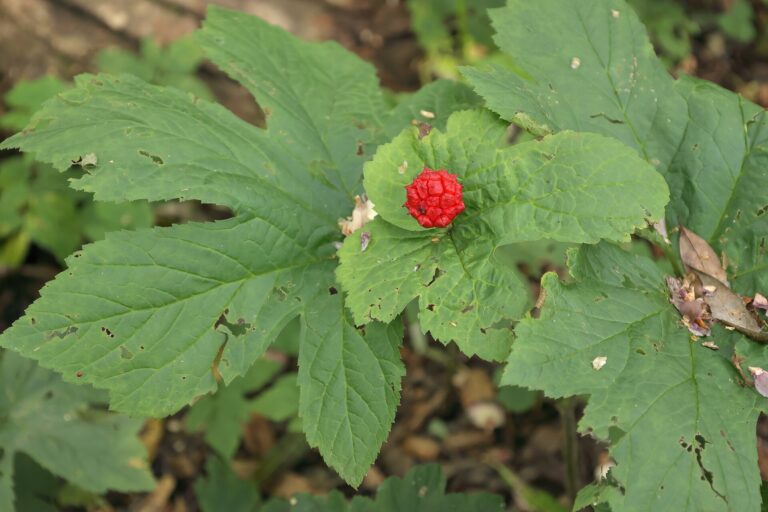
A small woodland plant of eastern North America with a bright-yellow root, used by Cherokee, Iroquois and other Indigenous nations for sore eyes, wounds and as a yellow dye. It became one of the best-known remedies of 19th-century herbal medicine, and is now so heavily harvested that it's a protected, at-risk species, so where it comes from matters.
Neem
Neem is a bitter Indian tree that Ayurveda has used for centuries, and it turns up in many parasite and candida cleanses today. Members get the full entry: what the lab and small human studies show, how people take the leaf, and why neem oil should never be swallowed.
NAC (N-Acetylcysteine)
NAC (N-acetylcysteine) is a form of the amino acid cysteine that the body uses to make glutathione, its main built-in antioxidant. Members get the full entry: where the research is strong (and where it isn't), typical amounts, and the drug interactions every NAC user should know.
Calamus / Vacha (Safety Profile)
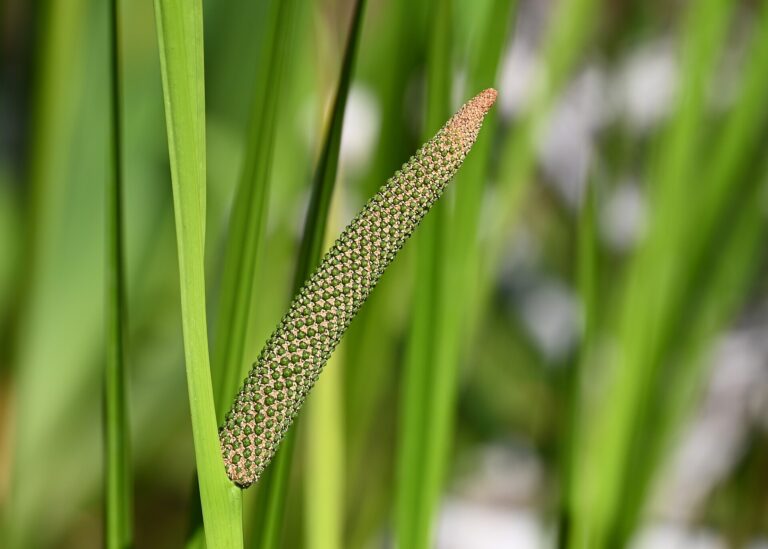
Sweet flag is an aromatic marsh plant with a long history in Ayurveda, Chinese medicine and Indigenous North American medicine. It's also one of the few herbs banned from food in the US, because its oil contains beta-asarone, which caused cancer in rodent studies.