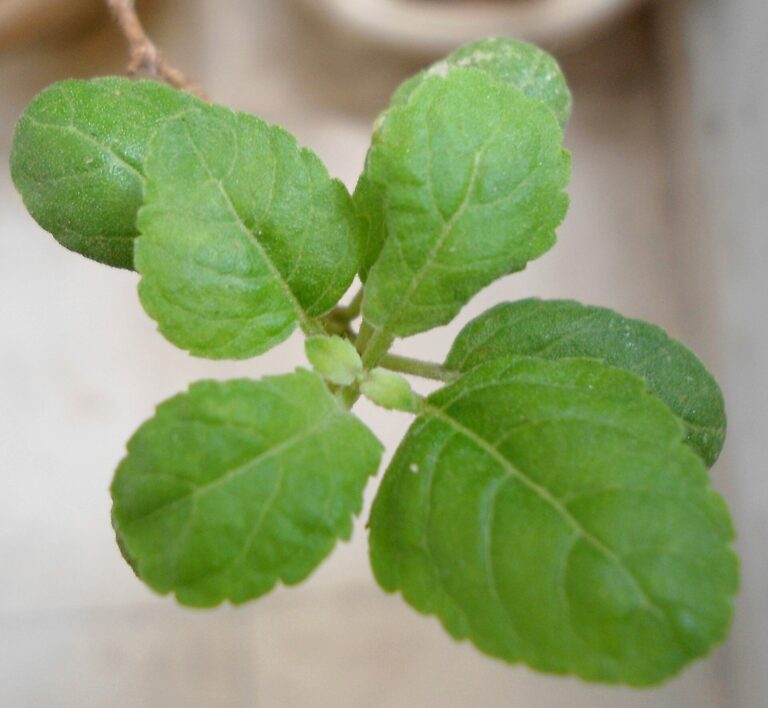
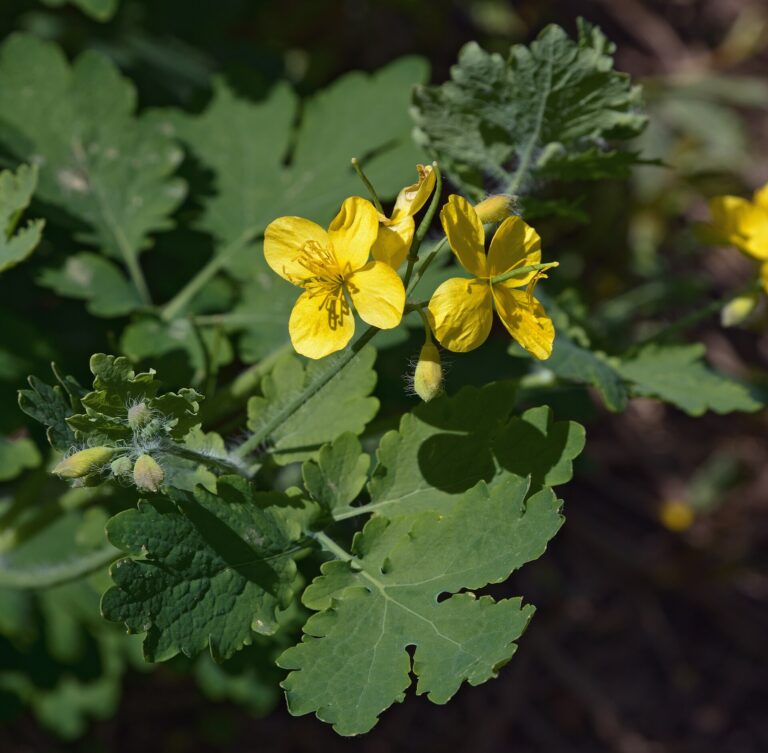
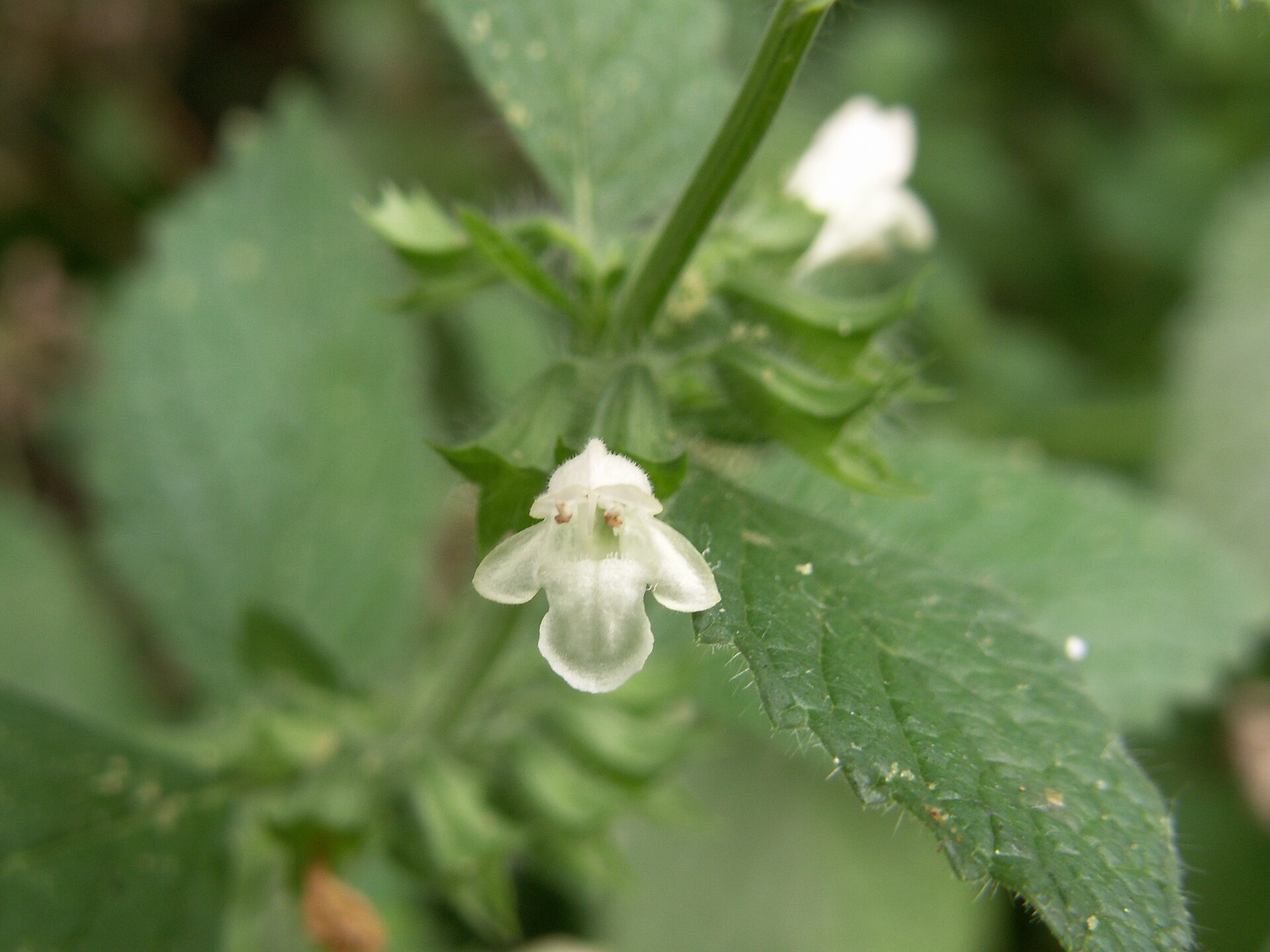
For more than two thousand years, lemon balm has been the herb people reach for to “gladden the heart” and calm a racing mind. Here’s how tradition uses it for nerves, sleep, digestion and cold sores, what the research shows, and why people with thyroid conditions should check first.
Similar Posts
Heartburn and reflux: natural options
Heartburn is one of the most common gut complaints, and many of the best-supported fixes are free: meal timing, sleep position and raising the head of the bed. This entry sorts the teas, soothing herbs, kitchen remedies and breathing practices people use for reflux by how well they're backed, and flags when heartburn needs a doctor.
Saw Palmetto
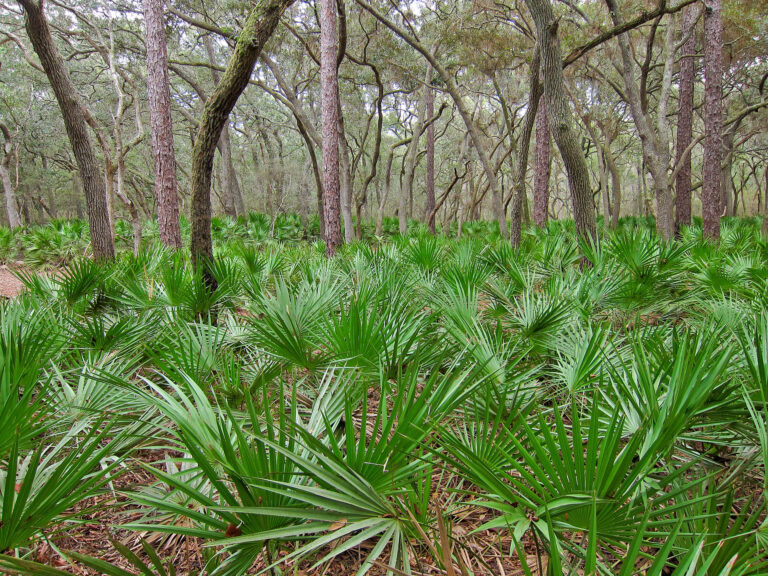
A small Florida palm whose dark berries were food for the Seminole and Ais peoples and became the best-known men's herb in Europe and North America. Here's what tradition and research say about it, and who should be careful.
Papaya Seeds
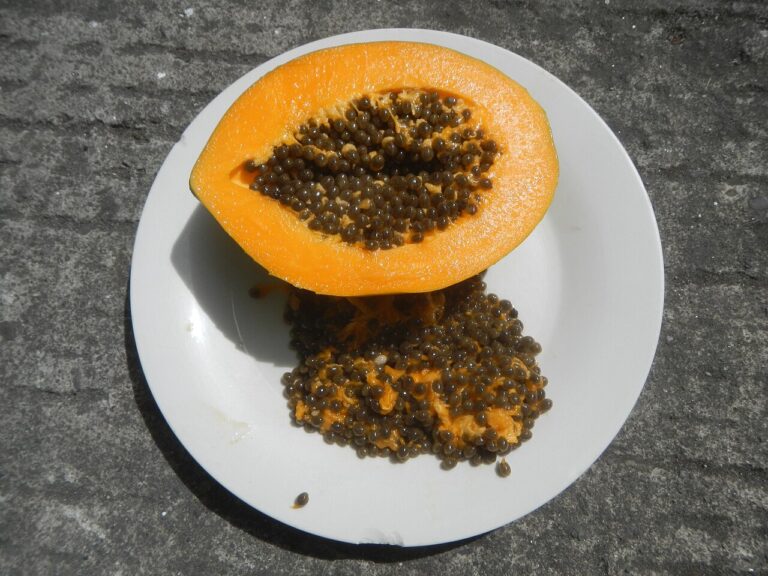
Those small black seeds you scoop out of a papaya have a long folk reputation as a worm remedy, and they've lately become a social-media "parasite cleanse". Members get the full entry: where the idea comes from, the two small studies in children behind it, typical amounts used in research, and the fertility and pregnancy cautions to know first.
Nettle
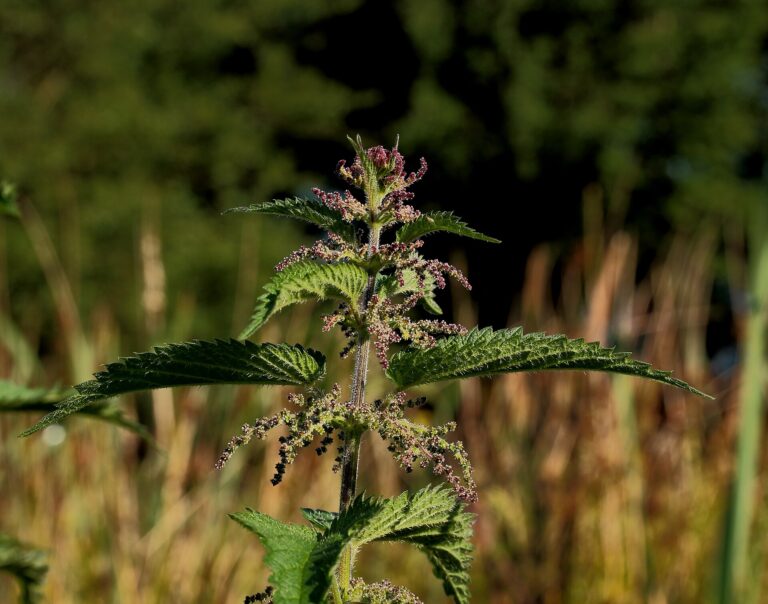
Nettle stings on the trail, but it has been a spring food, a joint remedy, a fibre plant and a "strengthening and cleansing" tea for peoples across Europe, North Africa and North America. Here's how tradition uses the leaf and the root, what the research shows for joints, the prostate and urination, and who should skip it.
Holy Basil (Tulsi)
Sacred in Hindu tradition and called the "elixir of life" in Ayurveda, tulsi has been a daily tonic in India for thousands of years. Here's what tradition uses it for, what the modern studies show, and who should be careful with it.
Greater Celandine (Safety Profile)
Greater celandine is a poppy-family herb with a long history in European folk medicine, but taken by mouth it is linked to liver injury, and European regulators decided its risks outweigh its benefits. Here's where the uses come from, what the research says, and gentler herbs to look at instead.