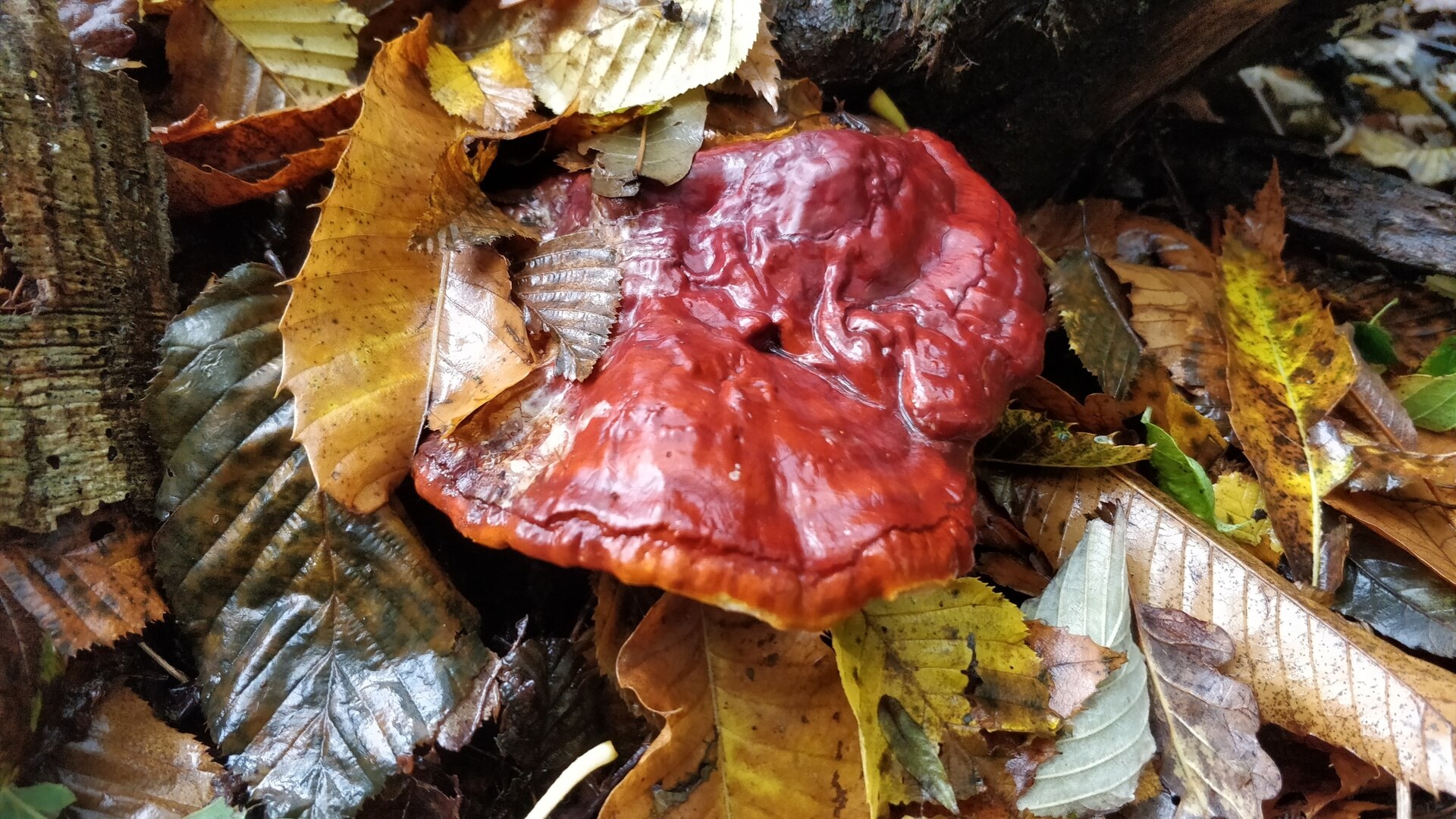
Reishi is the glossy “mushroom of immortality” of Chinese and Japanese tradition, prized for over 2,000 years as a calming, strengthening tonic. Here’s what traditional medicine uses it for, what the research says so far, and who should be careful with it.
Similar Posts
Slippery Elm
Slippery elm is a North American tree bark that turns silky and gel-like in water, and it's a favourite gentle "soother" in gut-focused routines. Members can read its long history, what the (thin) research shows, and the timing and safety points to know first.
Pumpkin Seed
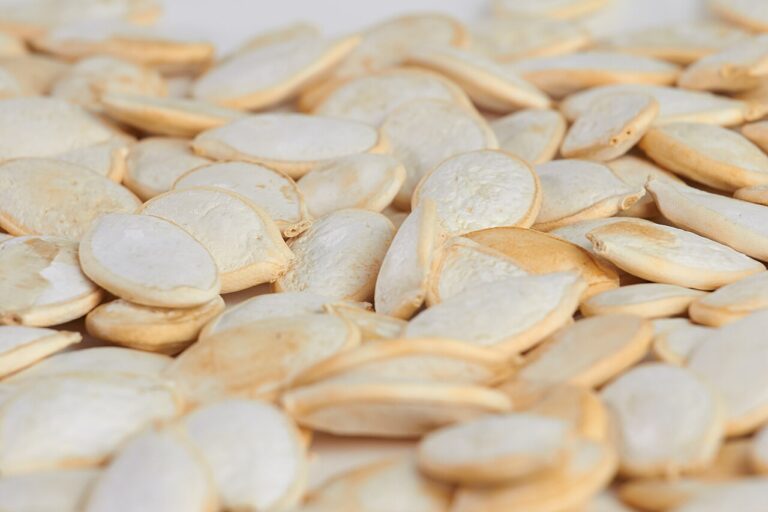
Pumpkin seed is one of the few everyday foods with an official European herbal monograph, for men's night-time bathroom trips and an overactive bladder. Members get the full profile: every traditional use, the large prostate trial and what it really showed, the official amounts, and who should check first.
Cilantro
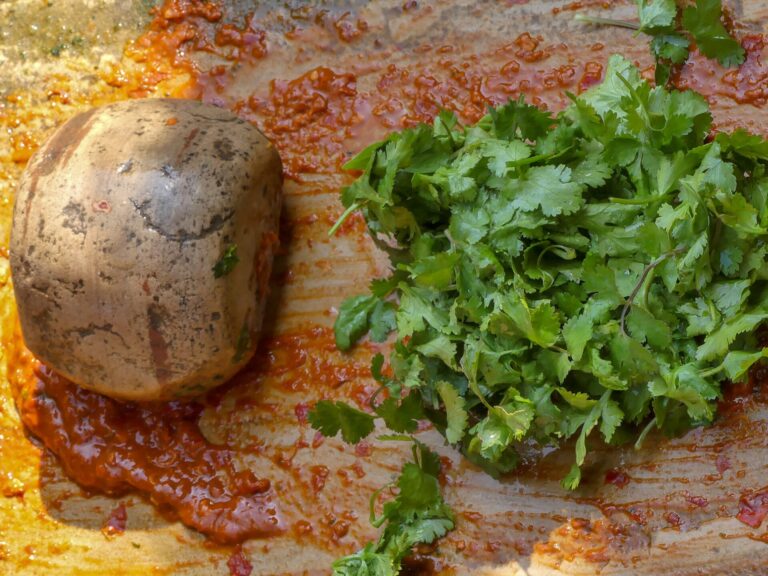
Cilantro is the everyday kitchen herb that became famous in detox circles as a "heavy metal" herb, usually paired with chlorella. Members can read where that idea came from, what the one small human trial actually found, and what product labels list.
Cranberry
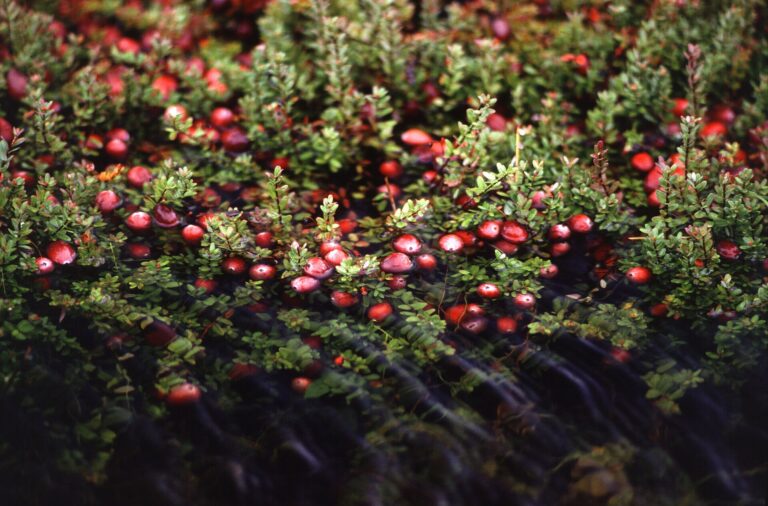
Cranberry is the best-studied urinary food in the library. Here is its Indigenous and folk history, what the 2023 Cochrane review of 50 trials found for repeat bladder infections (and who it did not help), study amounts, and the warfarin and kidney-stone cautions.
Elderberry (Sambucus nigra)
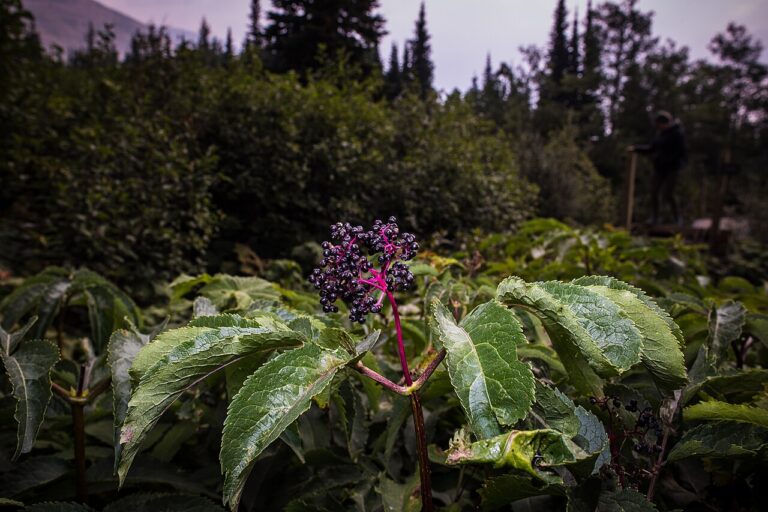
A dark purple berry that European households have cooked into syrups for generations at the first sign of a cold. Today it's one of the most popular herbal supports for the cold and flu season.
Greater Celandine (Safety Profile)
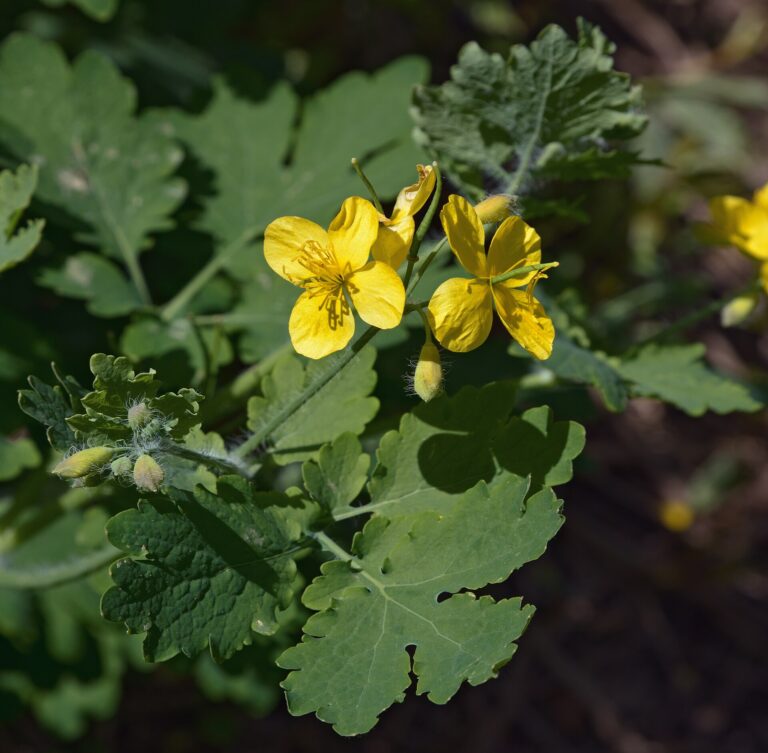
Greater celandine is a poppy-family herb with a long history in European folk medicine, but taken by mouth it is linked to liver injury, and European regulators decided its risks outweigh its benefits. Here's where the uses come from, what the research says, and gentler herbs to look at instead.