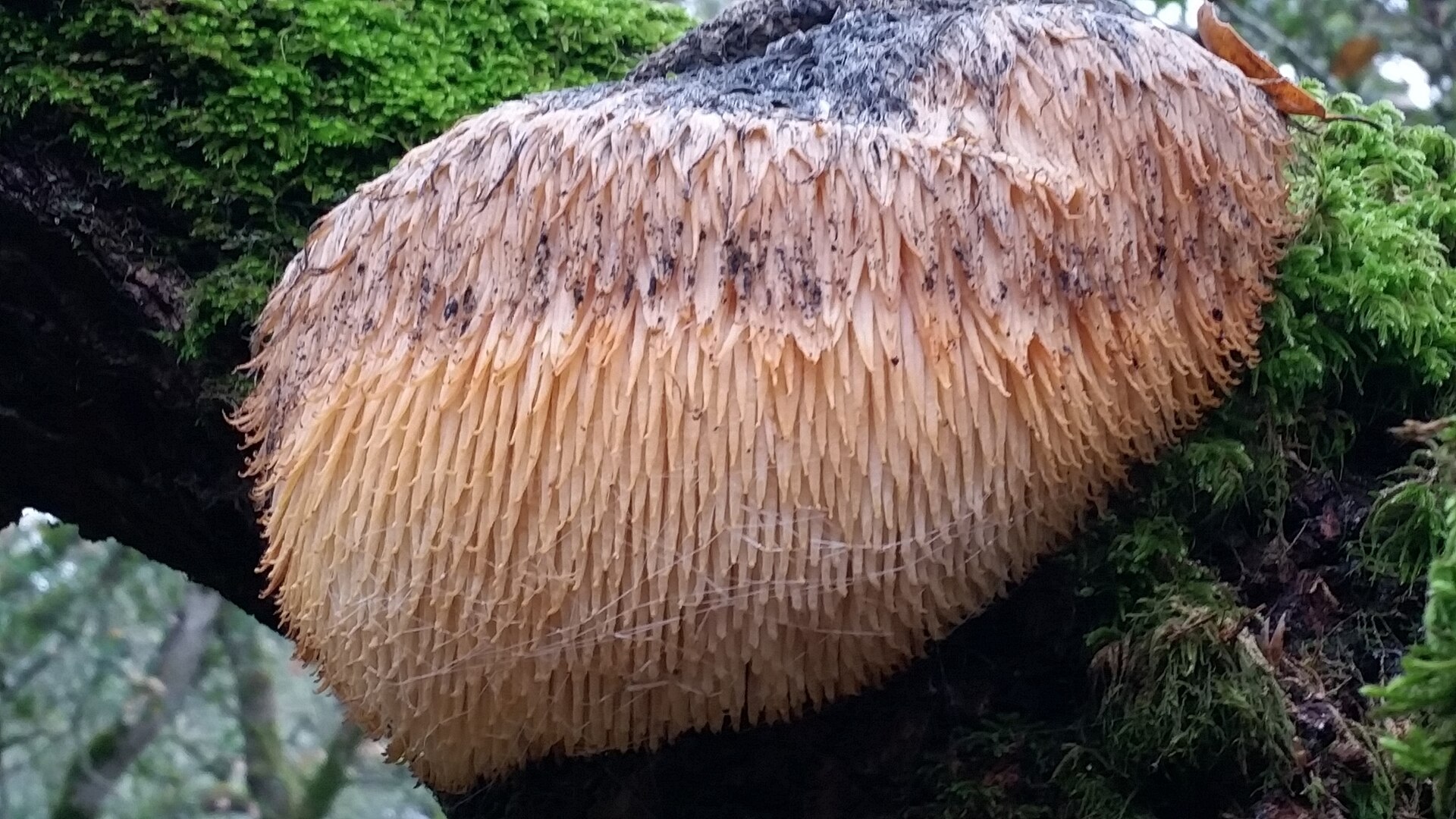
Lion’s mane is the shaggy white “monkey head” mushroom of Chinese and Japanese tradition, eaten as a delicacy and used for centuries to support the stomach and, more recently, memory and mood. Here’s what tradition says, what the early research shows, and who should be careful with it.
Similar Posts
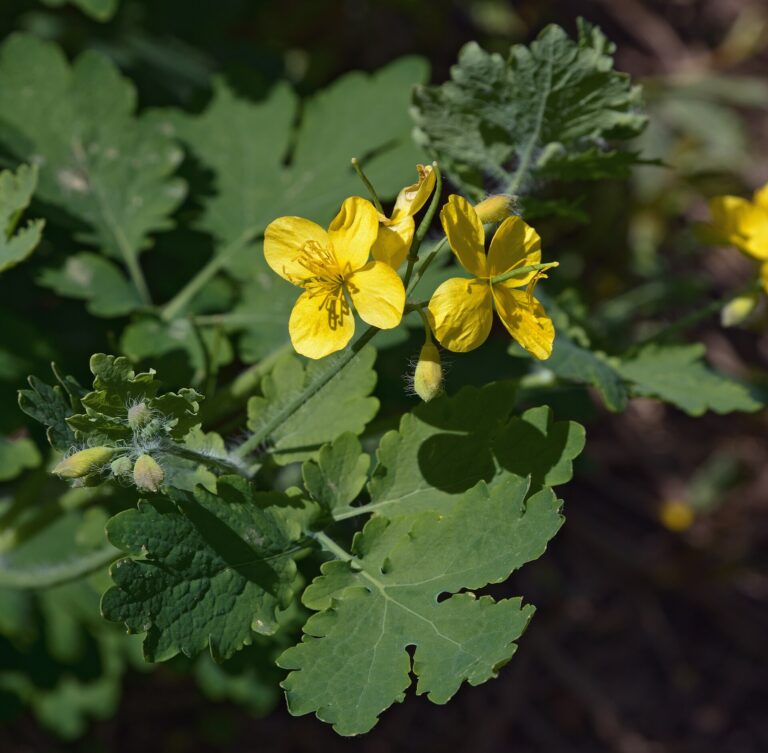
Greater Celandine (Safety Profile)
Greater celandine is a poppy-family herb with a long history in European folk medicine, but taken by mouth it is linked to liver injury, and European regulators decided its risks outweigh its benefits. Here's where the uses come from, what the research says, and gentler herbs to look at instead.
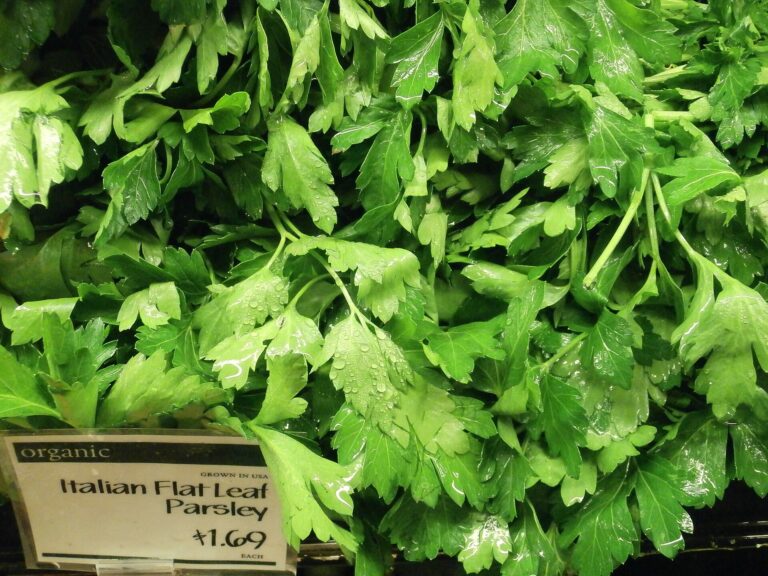
Parsley
Parsley is the kitchen herb detoxers turn into "kidney flush" teas, parsley water and green juices. Here is its traditional "water herb" use, what the evidence does and does not show, why it does not dissolve kidney stones, and the pregnancy, oxalate and medicine cautions.
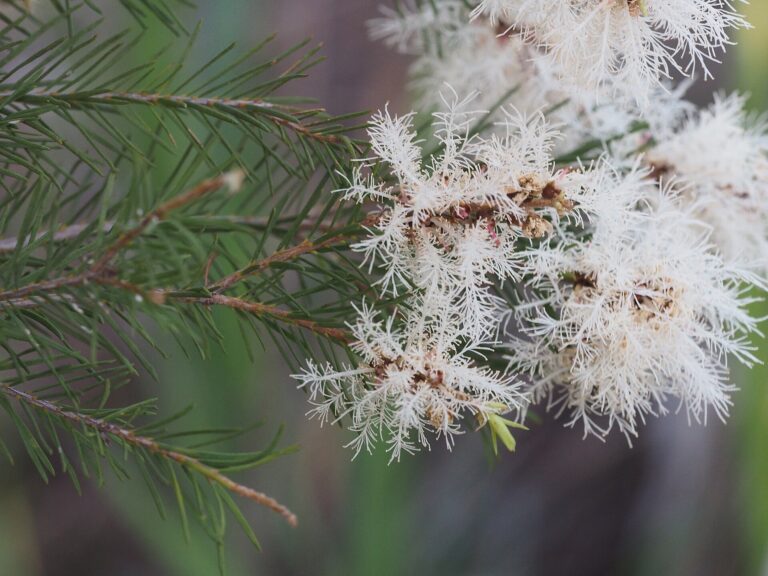
Tea Tree Oil (External Use Only)
Tea tree oil is the Australian bush oil found in countless acne gels, foot creams and shampoos. It is for the skin and mouth rinses only, never for swallowing, and it needs careful handling around children and pets.
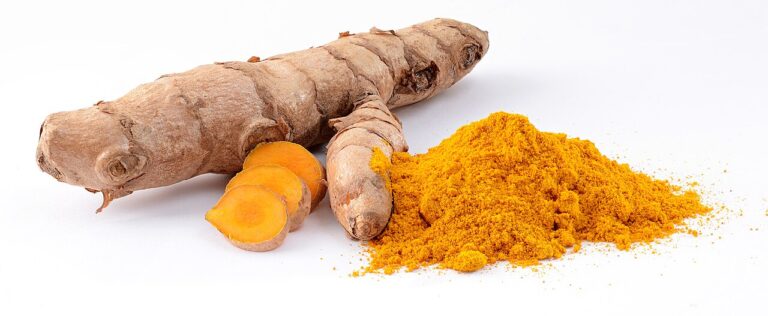
Turmeric
Turmeric is the golden root behind curry, wedding rituals and centuries of Ayurvedic and Chinese herbal practice. Here's how each tradition uses it, what modern studies on joints and digestion actually found, and why the strongest "high-absorption" capsules need more caution than the spice.
Black Cohosh
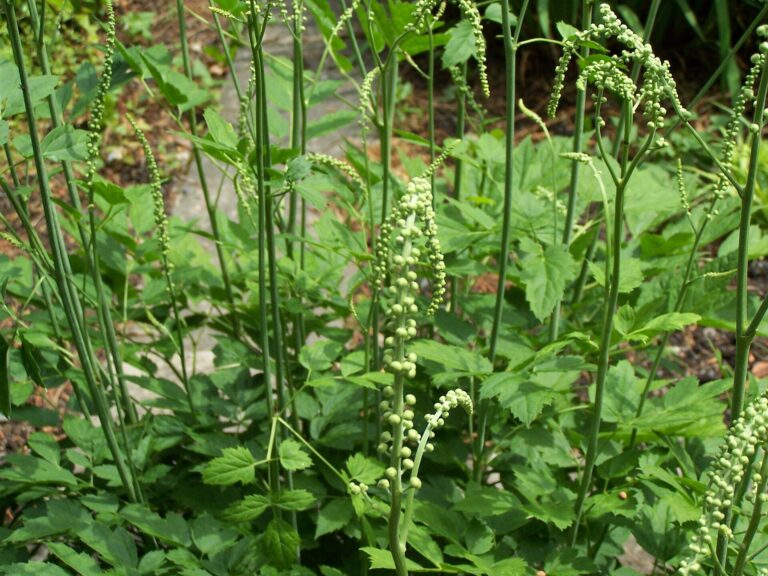
A tall woodland plant with white flower spikes, used by Indigenous peoples of eastern North America and by 19th-century Eclectic doctors, and now one of the best-known herbs for hot flushes. Here's what the tradition used it for, what the menopause studies really show, the EU amounts, and why its rare liver warning matters.
Safflower
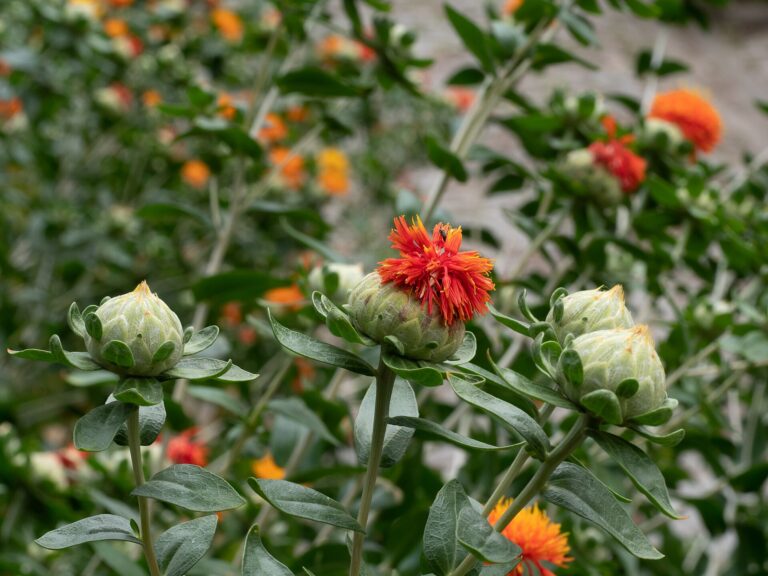
Safflower is the bright orange "false saffron" flower that's also the source of a common kitchen oil. The vault page explains why the flower and the oil are two very different products, and who should leave the flower alone.