Neem is a bitter Indian tree that Ayurveda has used for centuries, and it turns up in many parasite and candida cleanses today. Members get the full entry: what the lab and small human studies show, how people take the leaf, and why neem oil should never be swallowed.
Similar Posts
Clove
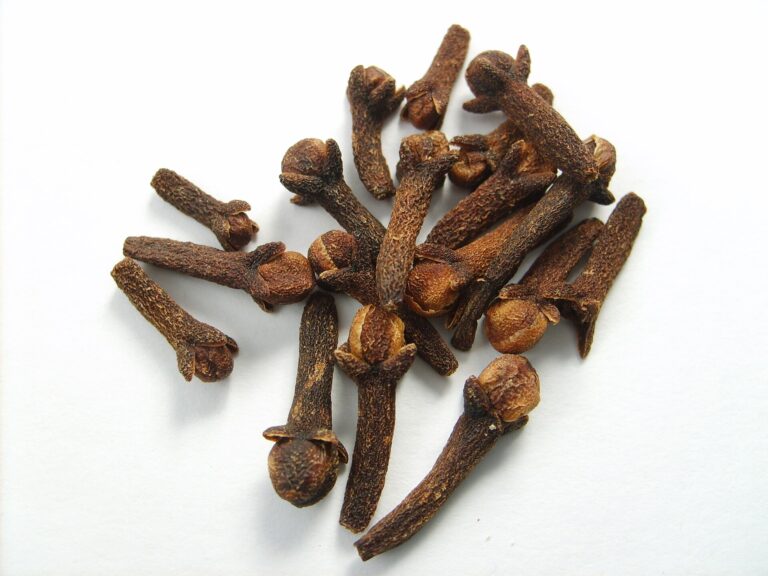
Clove is the warming kitchen spice that rounds out the classic three-herb parasite cleanse, alongside black walnut and wormwood. Members can read what the research really shows, what product labels list, and why clove oil is a very different thing from ground clove.
Diatomaceous Earth (safety entry)
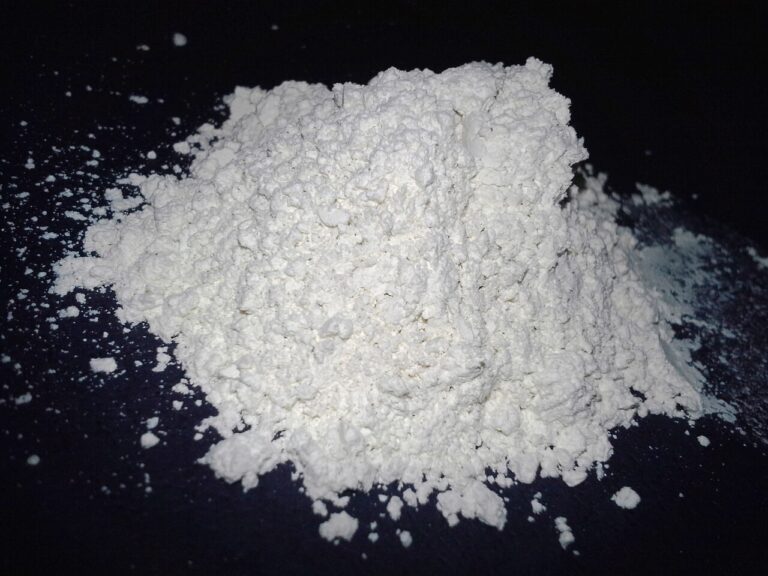
Food-grade diatomaceous earth is a fine white powder made from fossilized algae, sold for garden pests and stirred into water by some detoxers for "parasites" and "heavy metals". Members get the full entry: where the idea comes from, what the research actually shows (spoiler: very little in people), and the breathing risk that matters more than any claimed benefit.
Juniper Berry
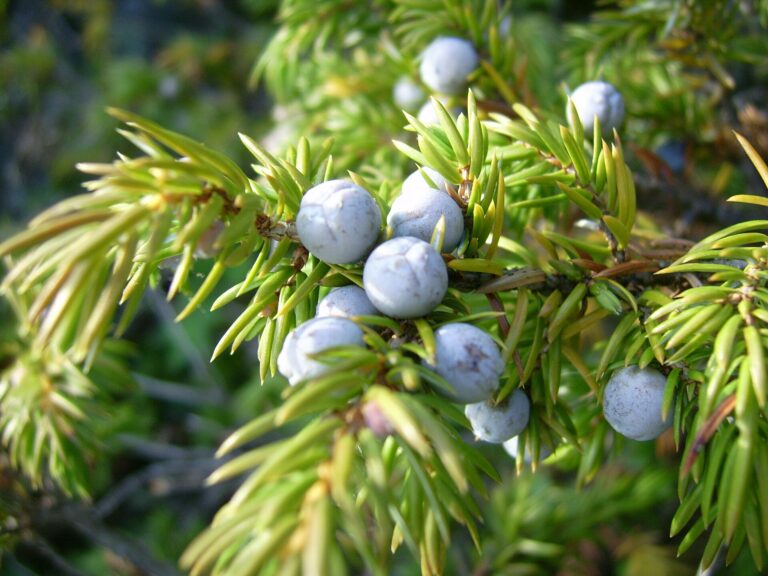
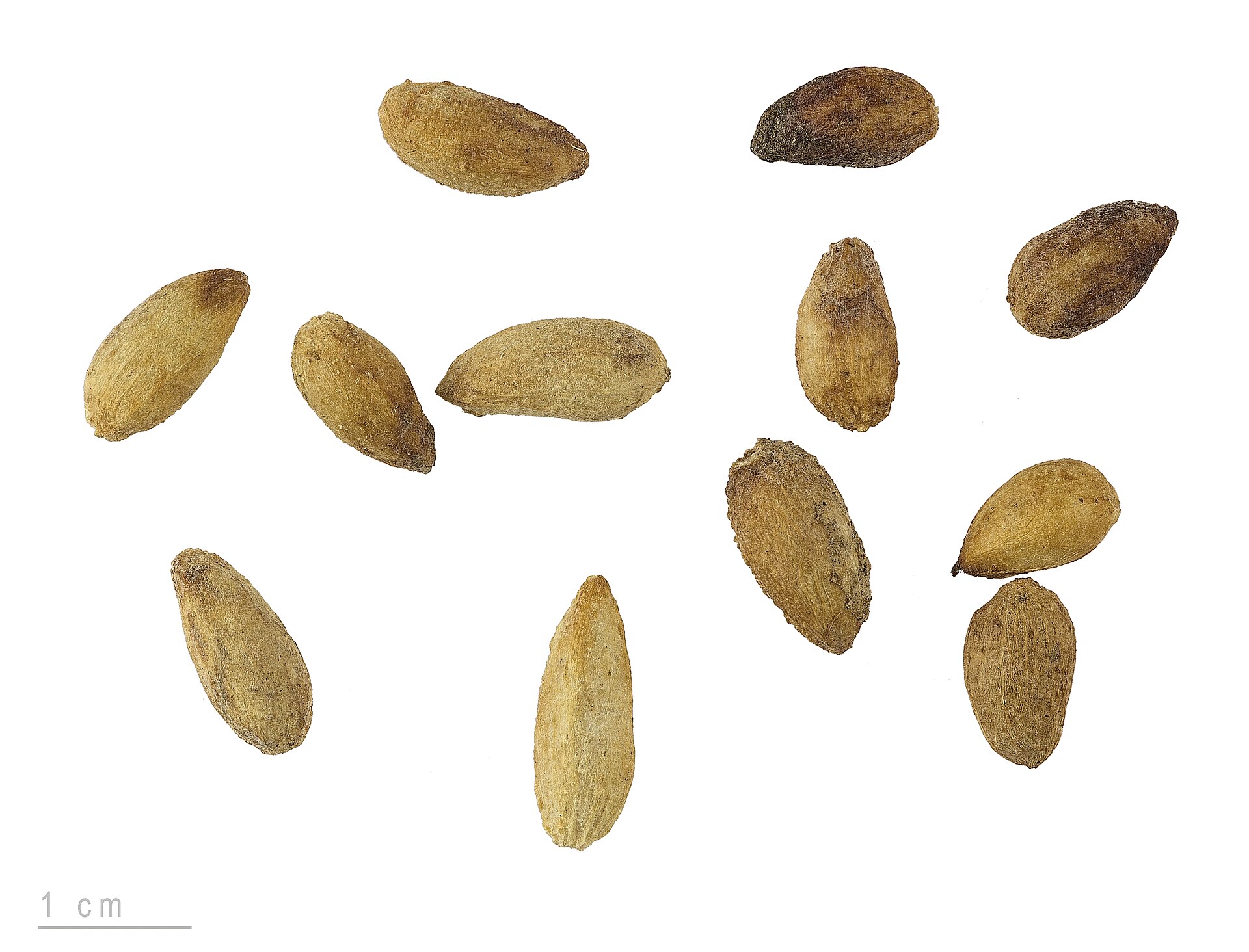
The berry that flavours gin has a long second life as a European and North American folk herb for the bladder and the belly. This profile covers how traditions use it, why the evidence is thin, and the clear limits on how long and for whom it's used.
Sea Moss (Irish Moss)
A red seaweed from rocky North Atlantic shores that Irish families boiled into a soothing drink for coughs and colds, and that Caribbean kitchens turned into a thick, spiced milk drink for strength. Today it's a popular gel and gummy sold as a mineral-rich "superfood".
Abhyanga (Ayurvedic Self Oil Massage)
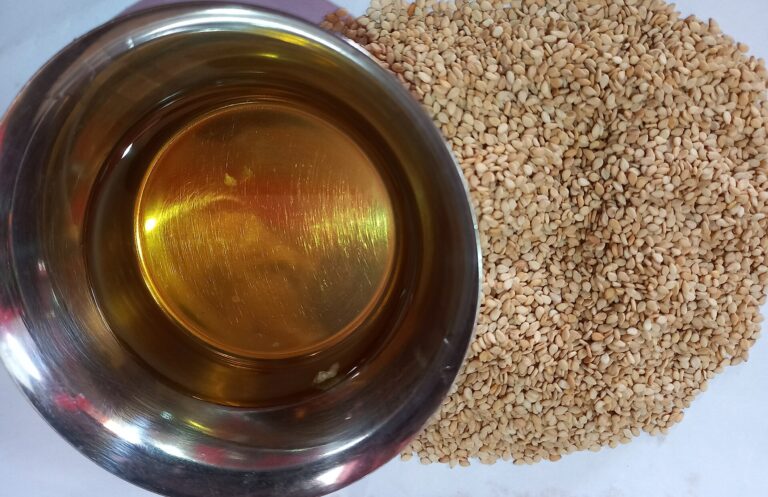
Abhyanga is the Ayurvedic habit of rubbing warm oil into your whole body, scalp to soles, before a shower. Classical texts list it as a daily routine for skin, sleep and steadiness, and two small trials found people felt less stressed after it. Here's how it's traditionally done, what the research does and doesn't show, and the safety points that matter most: slippery floors, skin allergies and babies' skin.
Fennel
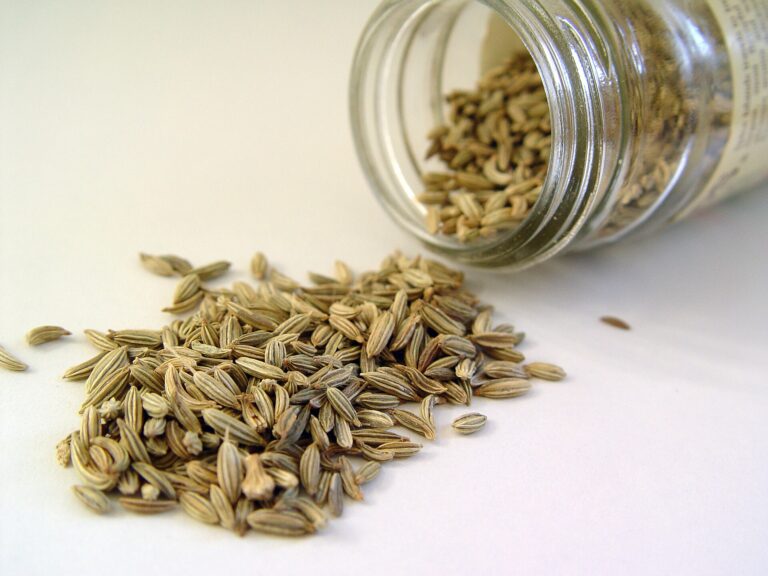
Fennel seed is the sweet, licorice-like seed behind many after-dinner teas, traditionally used to ease bloating and gas. Members can read what the research says, typical amounts from the official European monograph, and who should skip it.