Zinc is a trace mineral your body uses in hundreds of enzymes, from immune cells to skin repair. Here’s how traditional medicine and naturopaths use it, what the research shows, and why more isn’t better.

Similar Posts
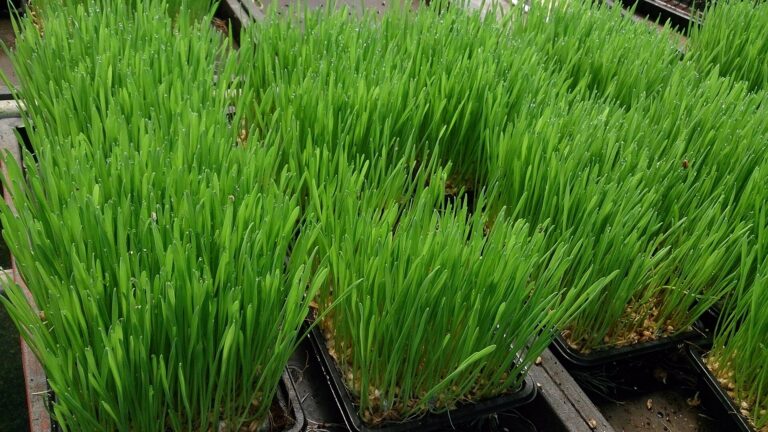
Wheatgrass and Barley Grass
Wheatgrass shots and barley-grass powders have been sold as "detox" and "blood-builders" since the 1940s. Here is where the habit came from, what the small human trials found, how people use them, and the raw-sprout, wheat-allergy, coeliac and warfarin cautions.
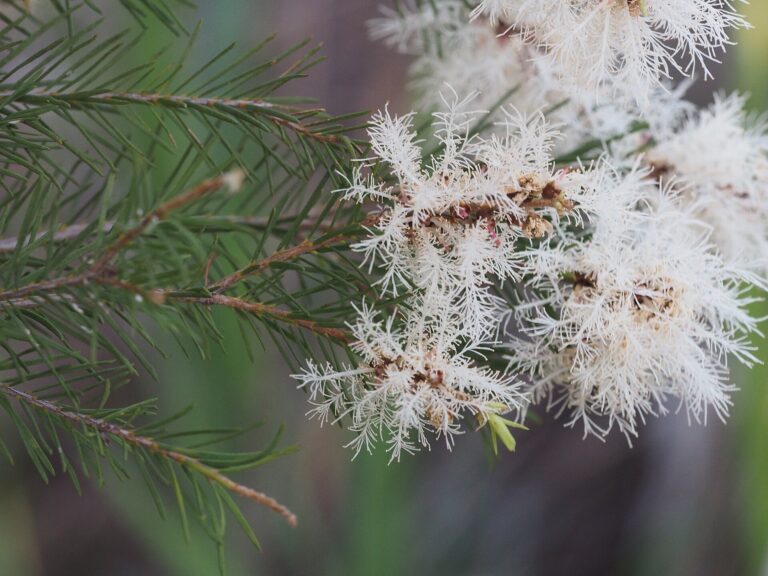
Tea Tree Oil (External Use Only)
Tea tree oil is the Australian bush oil found in countless acne gels, foot creams and shampoos. It is for the skin and mouth rinses only, never for swallowing, and it needs careful handling around children and pets.
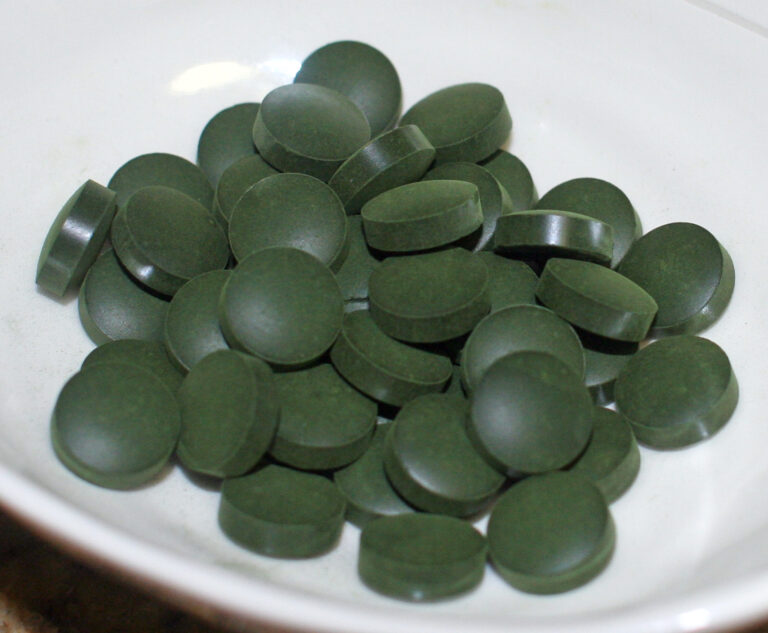
Spirulina
Spirulina is a deep blue-green algae powder that's been eaten as food for centuries, and many detoxers add it to smoothies during heavy-metal and liver routines. Members get the full entry: what the small studies found, typical amounts, and why where your spirulina comes from matters more than almost anything else.
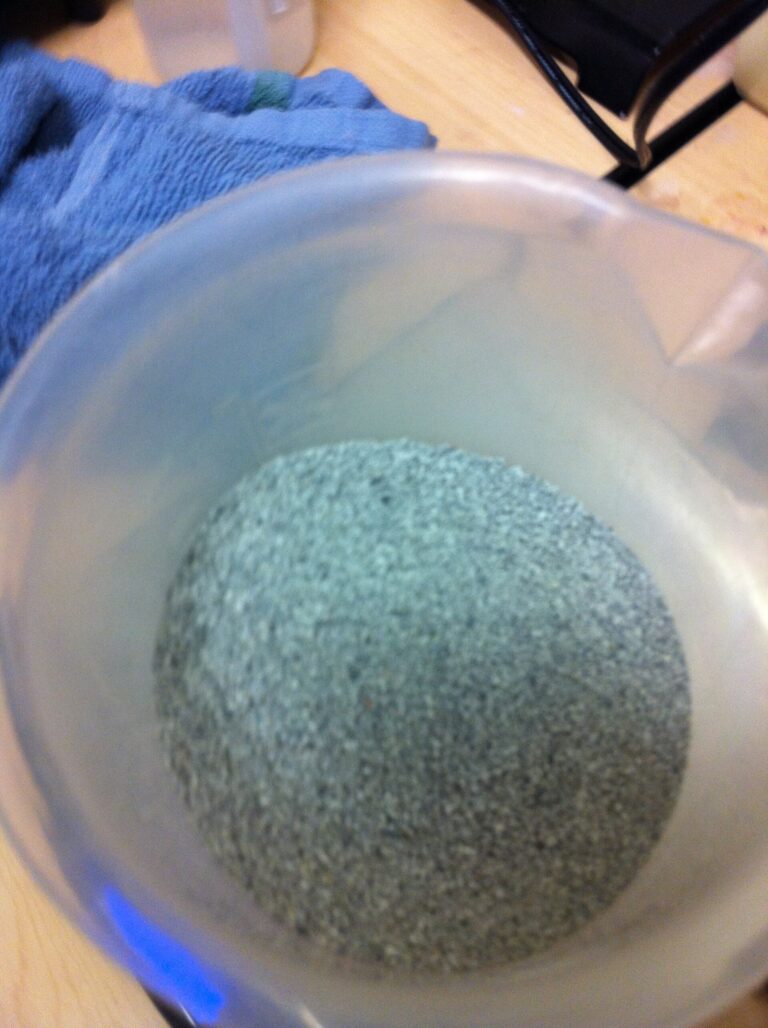
Bentonite Clay
Bentonite is a volcanic-ash clay that people stir into water as a gut "binder" during a cleanse. Members can see what the research actually shows, how people typically use it, and the quality checks that matter most with clay.
Glutathione
Glutathione is the body's own main antioxidant, and detoxers take it as a supplement to back up the liver's natural clean-up work. Members get the full entry: what the small trials found about whether swallowed glutathione even gets absorbed, typical amounts, and the safety points to know first.
Thyme
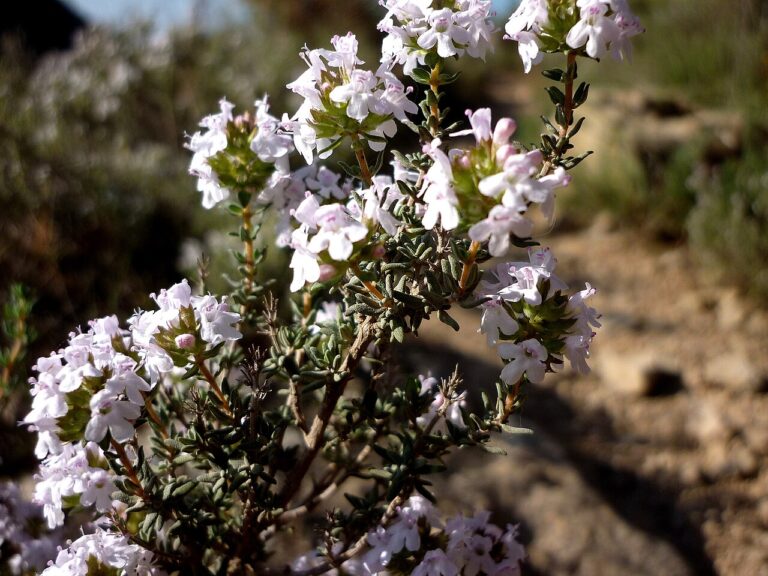
The kitchen herb behind many old-fashioned cough syrups and mouthwashes. Thyme has been used for chesty coughs, sore throats and digestion since ancient Greece, and it's still an approved traditional cough remedy in Europe.