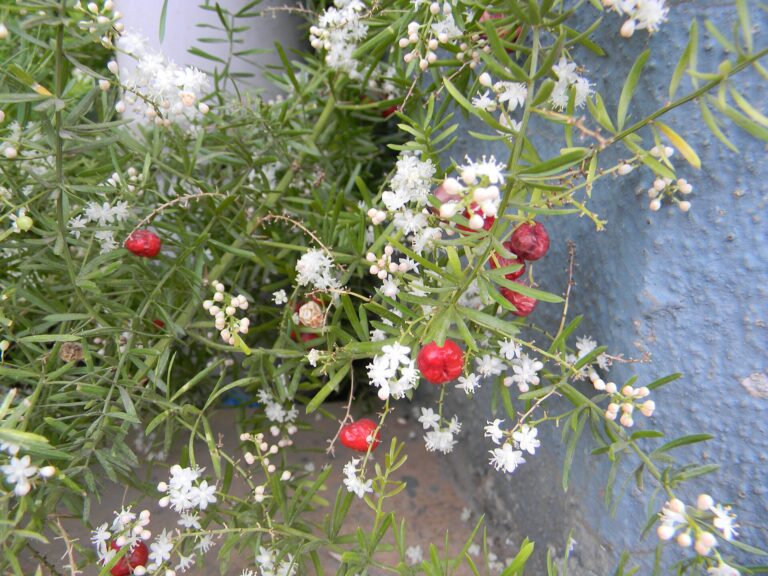
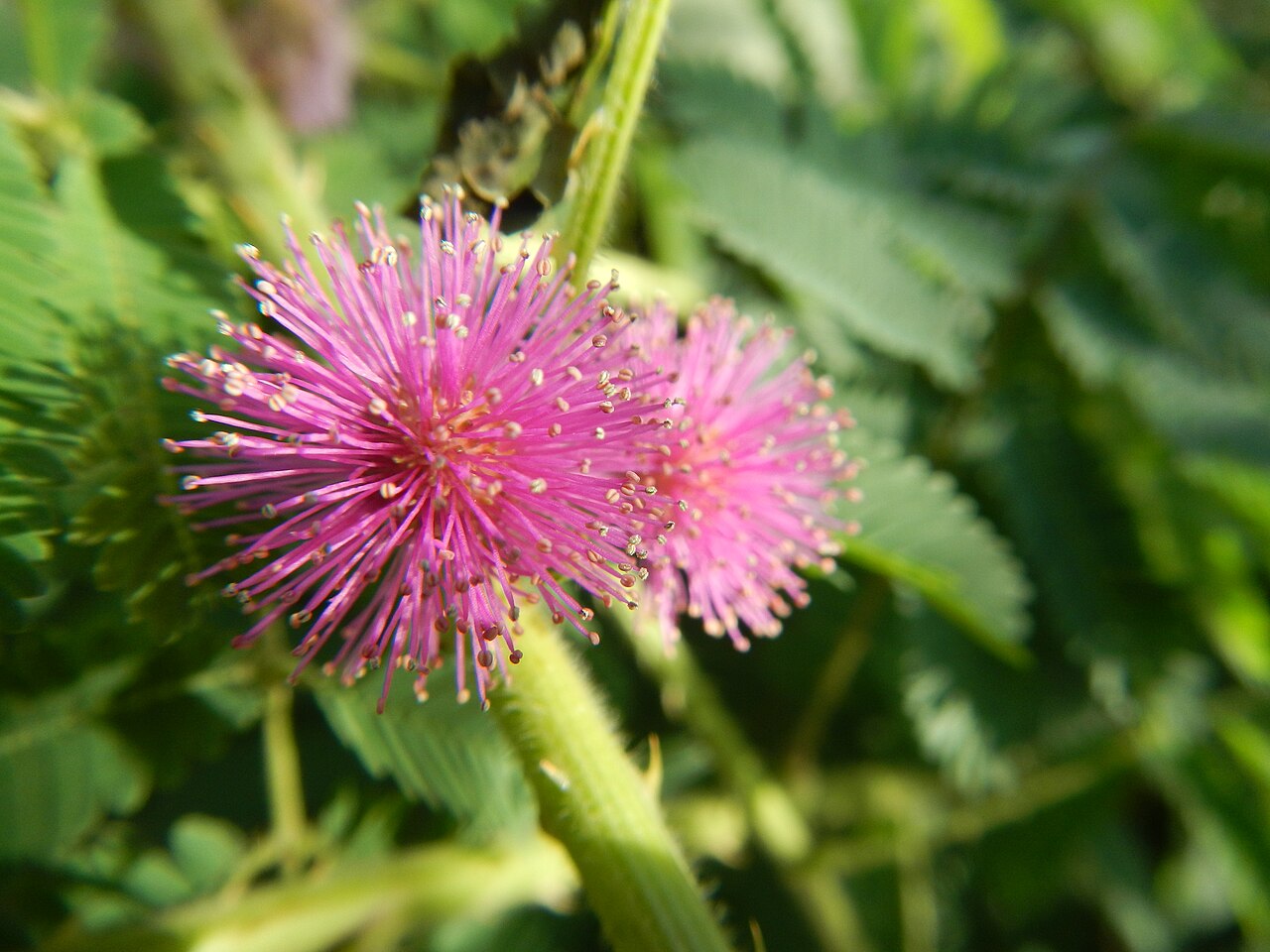
Mimosa pudica, the “sensitive plant” whose leaves fold shut when touched, has become one of the most talked-about parasite-cleanse seeds online. Members get the full entry: its Ayurvedic and folk history, what the lab studies do and don’t show, what labels list, and the safety gaps to know before trying it.
Similar Posts
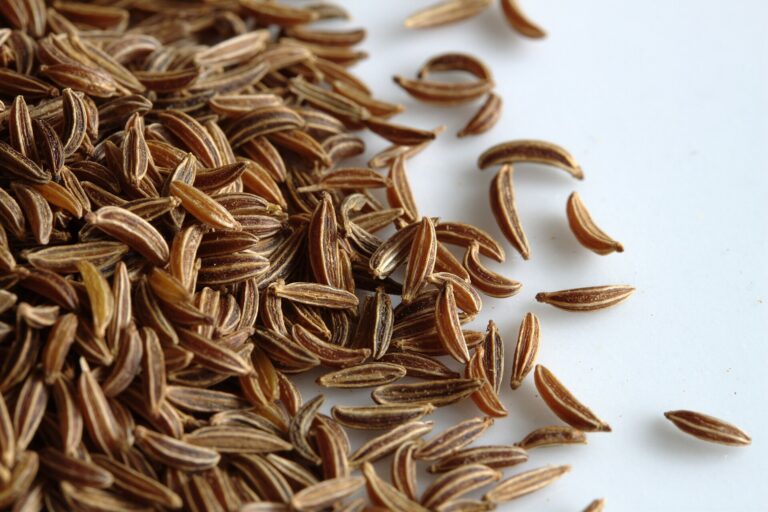
Caraway
Caraway is the seed that flavours rye bread and sauerkraut, and Europe's classic after-dinner tea for wind and that over-full feeling. Here's what traditions use it for, what the studies on the caraway-plus-peppermint capsules show, how the EU says to brew it, and who should skip it.
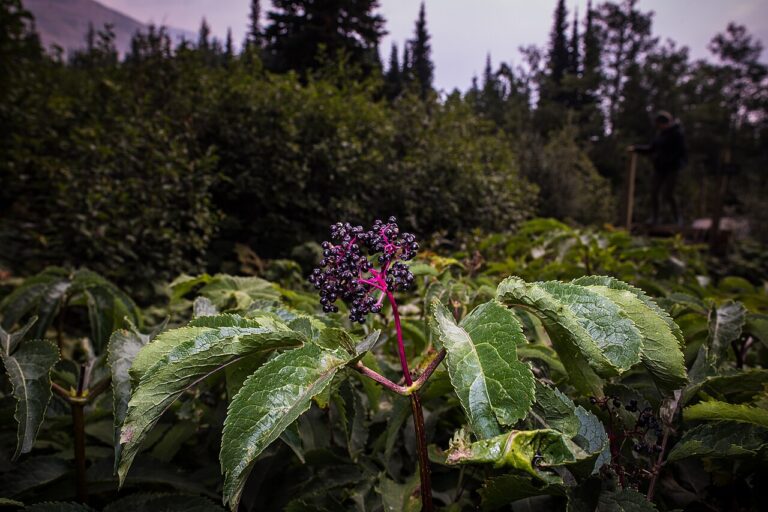
Elderberry (Sambucus nigra)
A dark purple berry that European households have cooked into syrups for generations at the first sign of a cold. Today it's one of the most popular herbal supports for the cold and flu season.
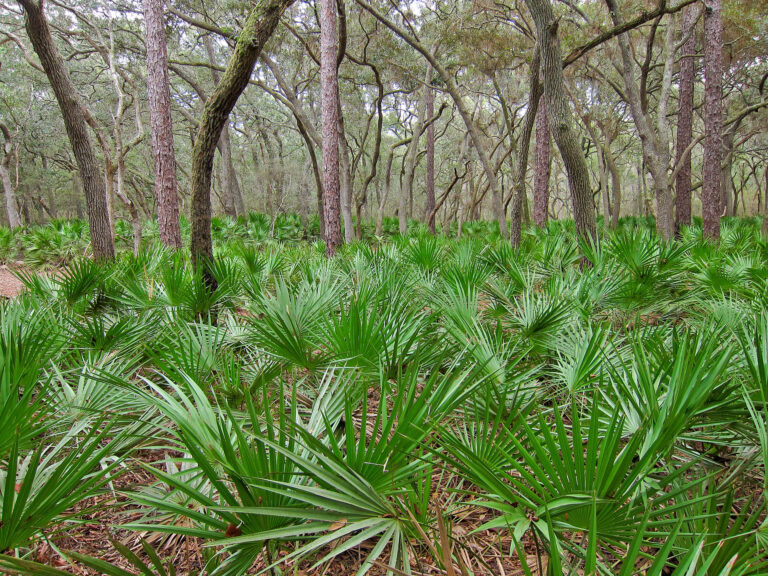
Saw Palmetto
A small Florida palm whose dark berries were food for the Seminole and Ais peoples and became the best-known men's herb in Europe and North America. Here's what tradition and research say about it, and who should be careful.
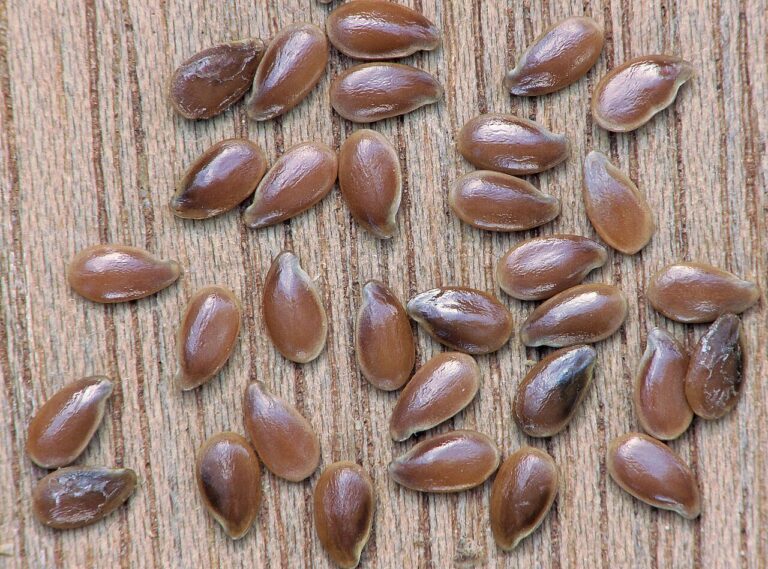
Flaxseed
The small brown or golden seed behind linseed tea, old-fashioned linseed poultices and today's breakfast sprinkle. Flax has been a food, fibre and folk remedy for thousands of years and is now one of the better-studied seeds for the bowels and blood pressure.
Shatavari
Shatavari is one of Ayurveda's best-known "women's tonics", a cooling, nourishing root used for centuries for breast milk, the monthly cycle and strength. Here's what tradition says, what the small studies show, and who should be careful with it.
Moringa
Called the "miracle tree" across Asia and Africa, moringa is both a food and a traditional medicine, and its leaves are packed with plant nutrients. Here's what tradition uses it for, what the studies show, and who should be careful with it.