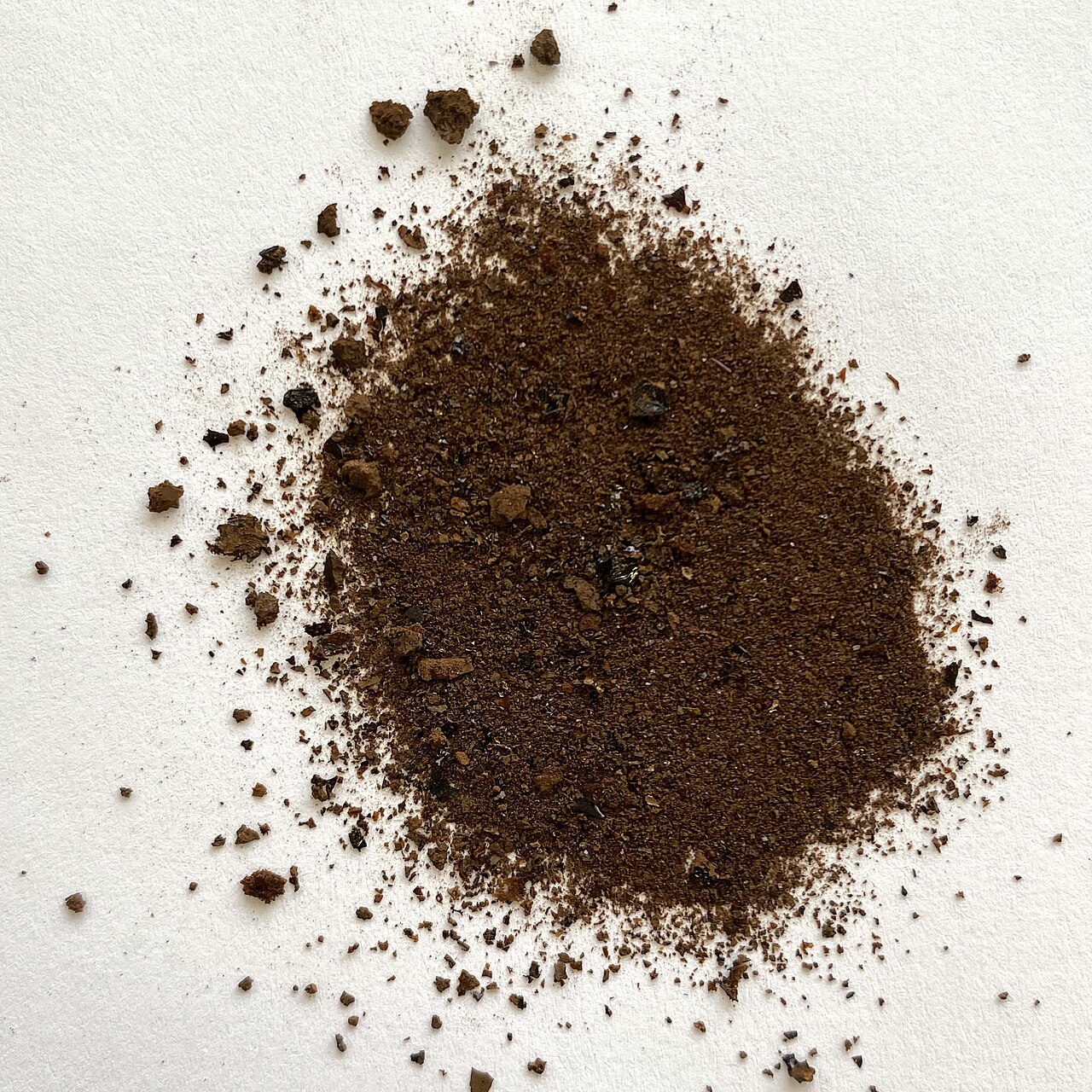
Humic and fulvic acids are the dark, carbon-rich compounds that form as plants break down in soil, peat and ancient deposits. Detoxers take them as a liquid “binder” for metals and gut support. Members get the full entry: where the idea comes from, what the (mostly lab and animal) research shows, label amounts, and why Health Canada has stepped in on one fulvic product.
Similar Posts
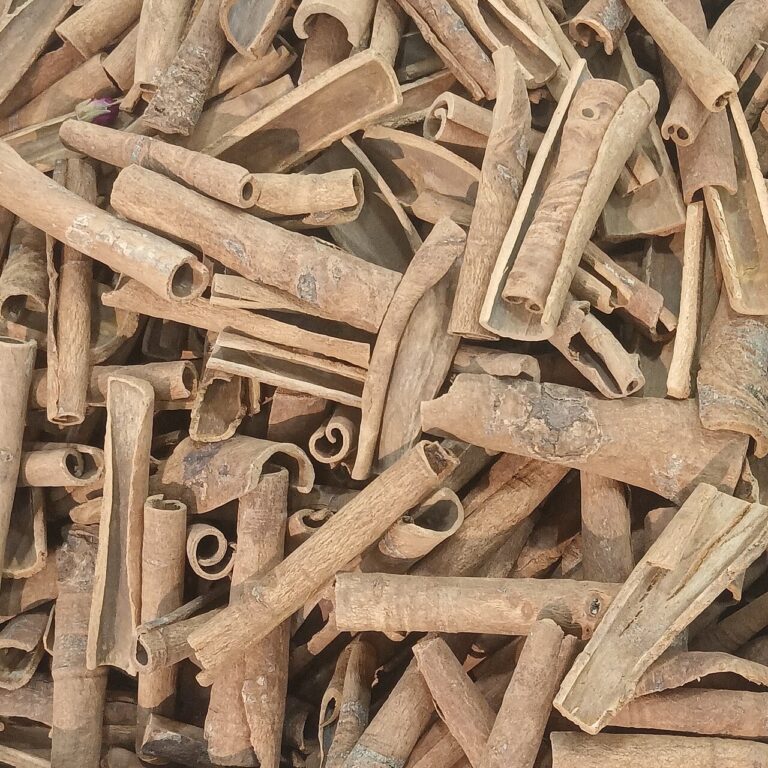
Cinnamon
One of the oldest spices in the world, cinnamon was traded from Asia to Egypt as far back as 2000 BC. Ayurveda, Chinese medicine and Persian medicine all use it as a warming herb for digestion, circulation and the womb, and modern researchers are studying it for period pain and metabolic health.
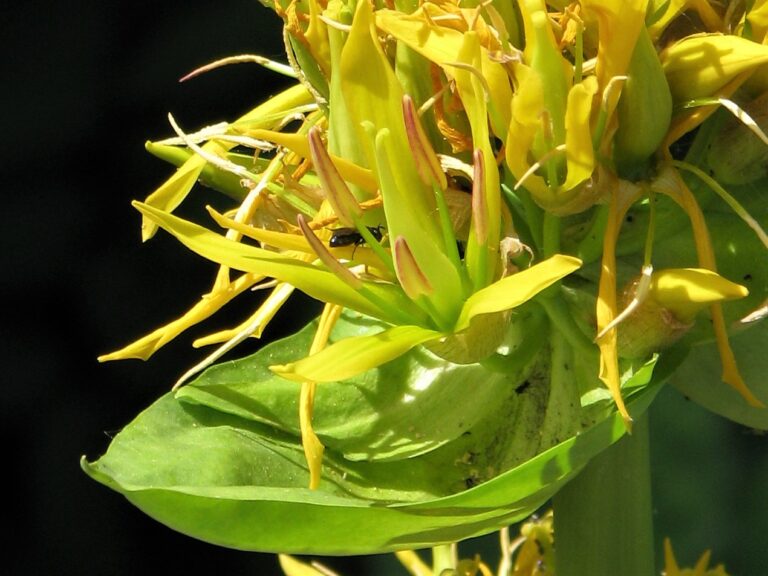
Bitters (Gentian and Swedish Bitters)
Gentian root and Swedish bitters are sipped before meals in European tradition to wake up appetite, digestion and bile flow. Here's the history, what the research does and doesn't show, the EU amounts, and why most Swedish bitters are short-term only.
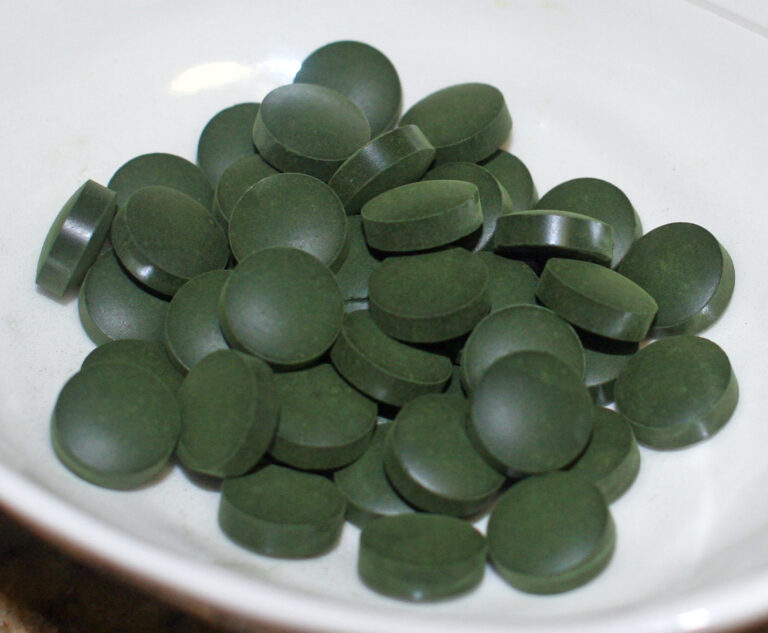
Spirulina
Spirulina is a deep blue-green algae powder that's been eaten as food for centuries, and many detoxers add it to smoothies during heavy-metal and liver routines. Members get the full entry: what the small studies found, typical amounts, and why where your spirulina comes from matters more than almost anything else.
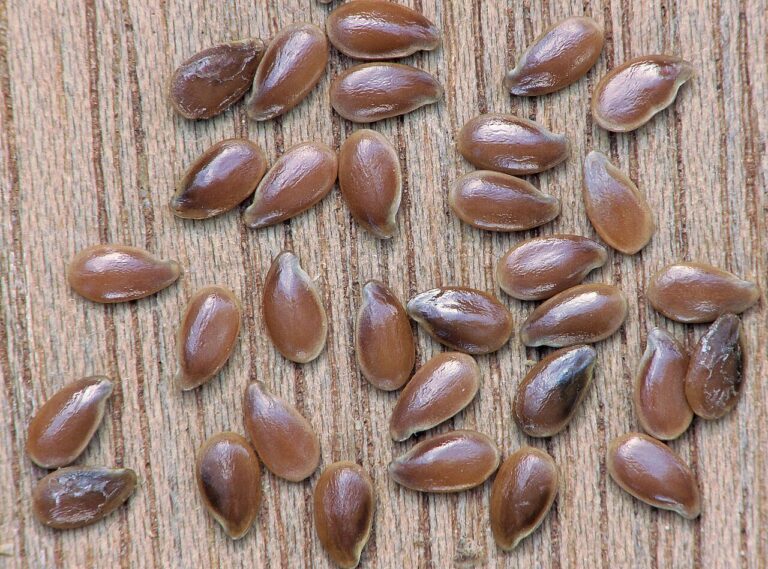
Flaxseed
The small brown or golden seed behind linseed tea, old-fashioned linseed poultices and today's breakfast sprinkle. Flax has been a food, fibre and folk remedy for thousands of years and is now one of the better-studied seeds for the bowels and blood pressure.
Corn Silk
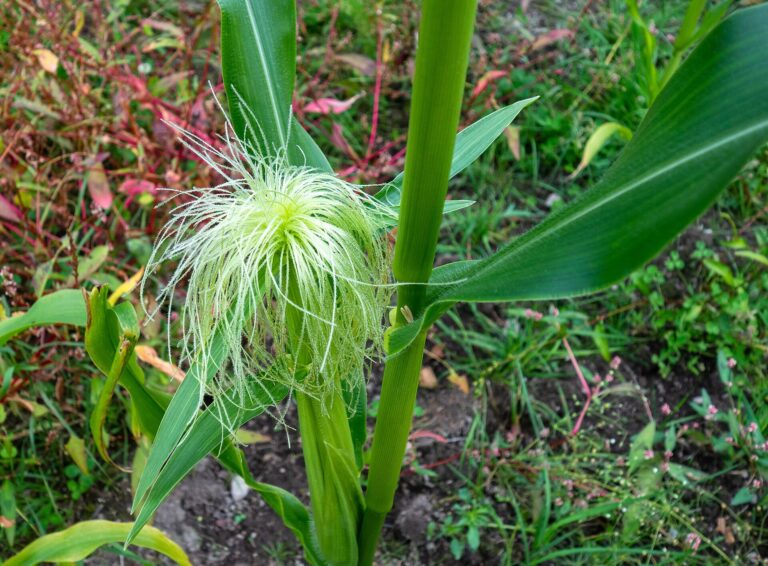
Corn silk, the fine threads at the top of an ear of corn, is a gentle traditional tea for the bladder and puffiness in Chinese and Native American medicine. Here is its history, the draft EU monograph amounts, what the evidence does and does not show, and the potassium and medicine cautions.
Turmeric
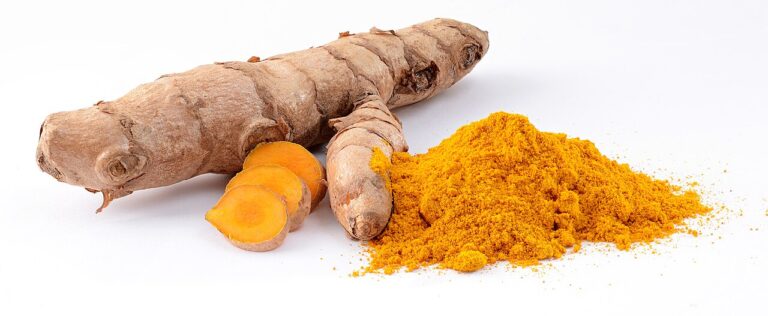
Turmeric is the golden root behind curry, wedding rituals and centuries of Ayurvedic and Chinese herbal practice. Here's how each tradition uses it, what modern studies on joints and digestion actually found, and why the strongest "high-absorption" capsules need more caution than the spice.