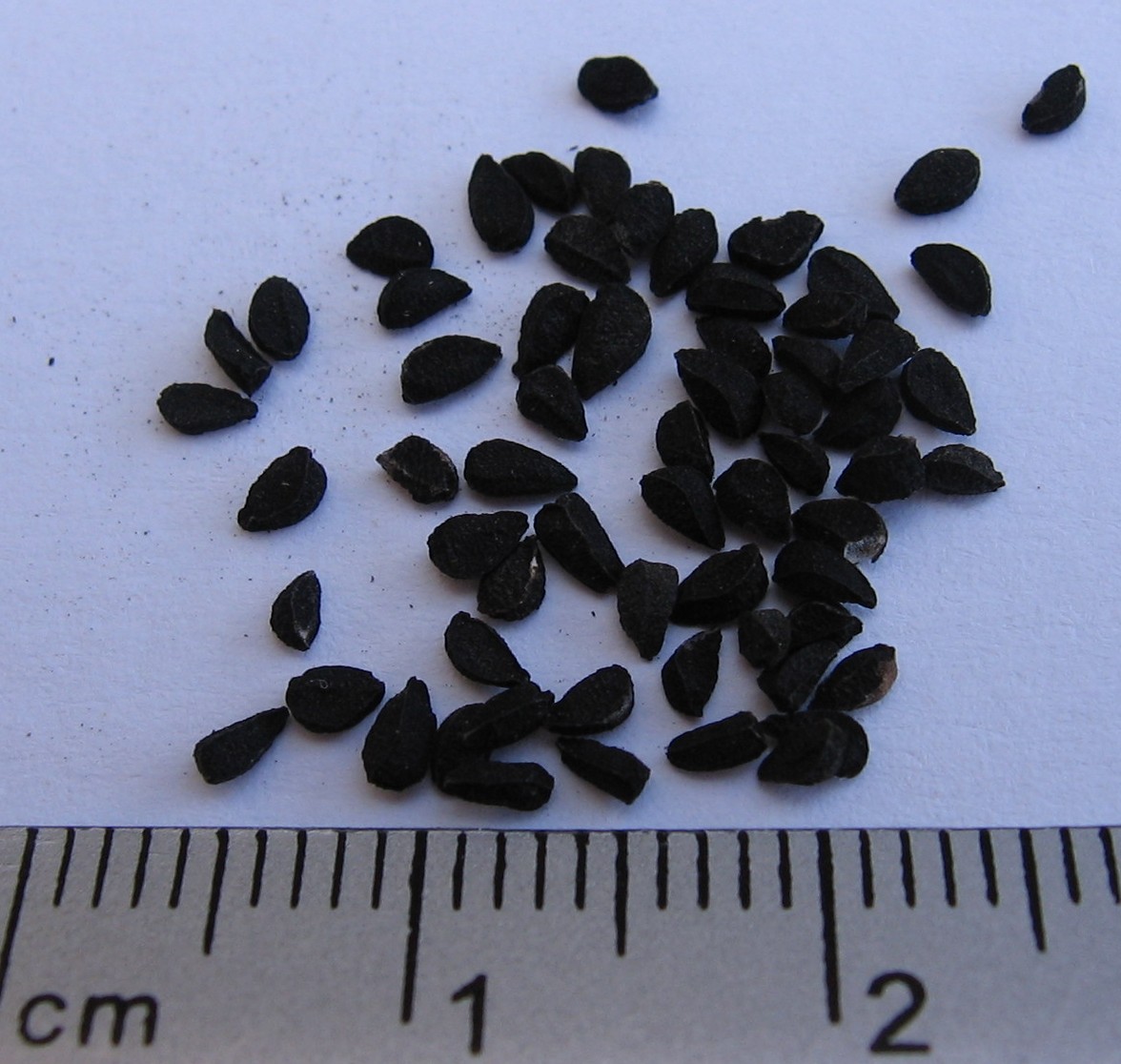
A small black seed that has been a kitchen spice and a household remedy across the Middle East, North Africa and South Asia for centuries. Members use the seeds and cold-pressed oil for digestion, breathing, skin and everyday wellness.
Similar Posts
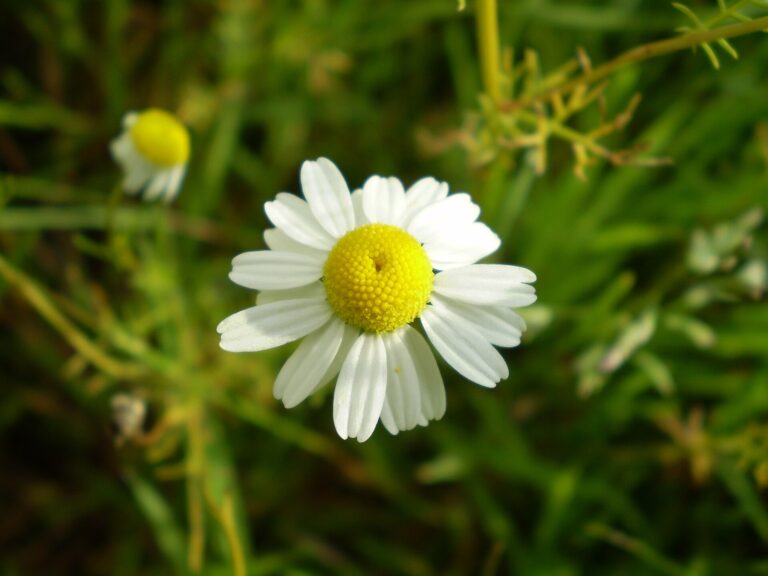
Chamomile
One of the oldest and gentlest herbs in the world, with more than a million cups of its tea drunk every day. Here's how tradition uses chamomile for nerves, sleep, digestion, mouth and skin, what the research shows, and the one allergy to watch for.
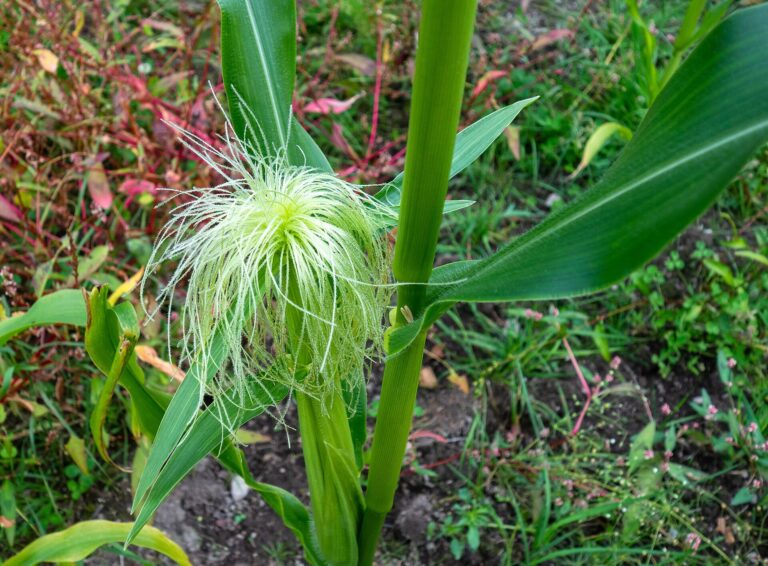
Corn Silk
Corn silk, the fine threads at the top of an ear of corn, is a gentle traditional tea for the bladder and puffiness in Chinese and Native American medicine. Here is its history, the draft EU monograph amounts, what the evidence does and does not show, and the potassium and medicine cautions.
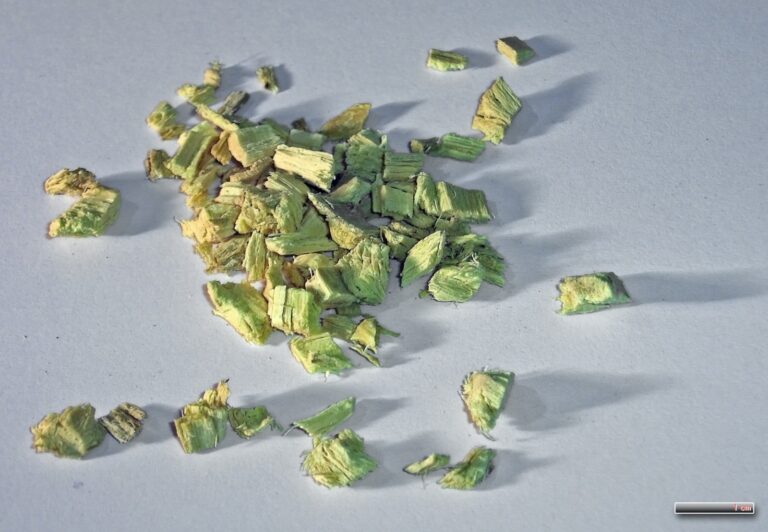
Licorice Root
One of the oldest and most widely used herbs on earth, licorice root is the sweet "harmonizer" of Chinese formulas and a soothing tonic in Ayurveda. Here's what traditions use it for, what the research shows, and why it's one herb you need to respect.
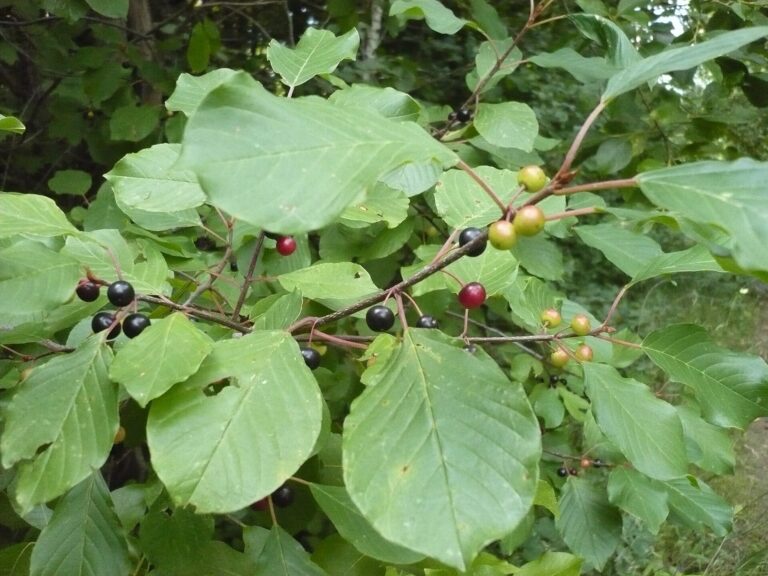
Frangula (Alder Buckthorn)
Frangula, or alder buckthorn bark, is a strong stimulant laxative herb used in Europe since the 1500s. It's for short-term use only, and the bark has to be properly aged first; here's what to know before reaching for it.
Quercetin
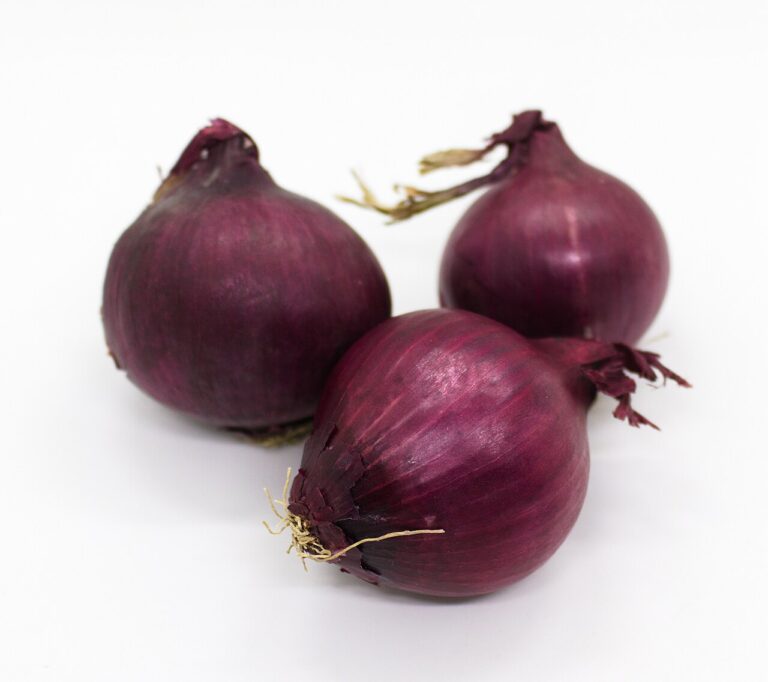
Quercetin is the most common flavonoid in the human diet, the yellow pigment behind onion skins and apple peels. Here's how naturopaths use it, the traditional herbs that are rich in it, and what the research shows.
Lion’s Mane Mushroom
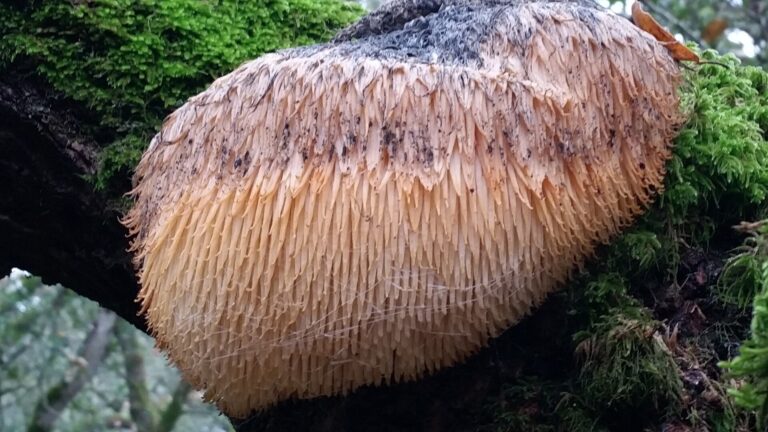
Lion's mane is the shaggy white "monkey head" mushroom of Chinese and Japanese tradition, eaten as a delicacy and used for centuries to support the stomach and, more recently, memory and mood. Here's what tradition says, what the early research shows, and who should be careful with it.