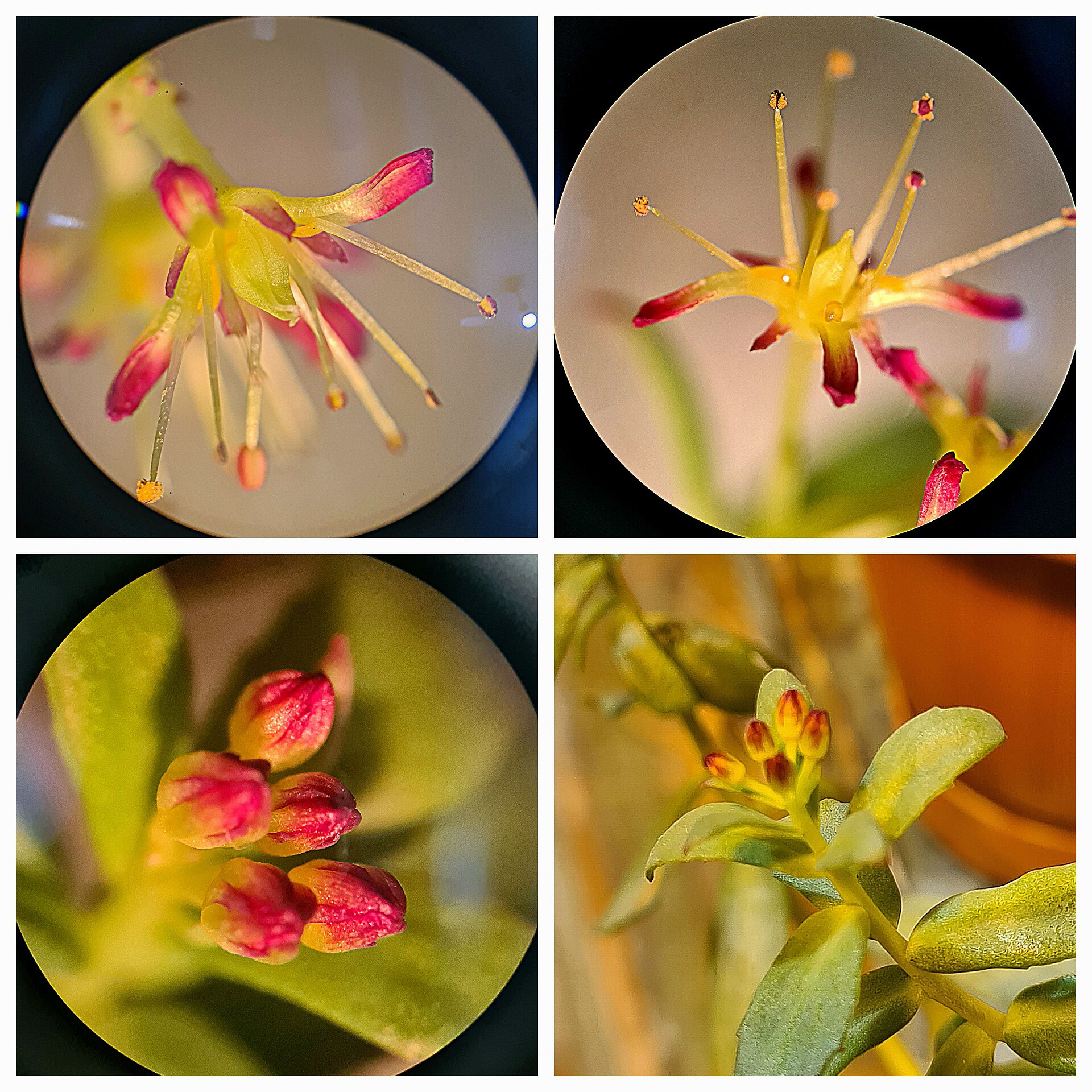
A hardy Arctic and mountain root that Scandinavian, Siberian and Russian folk medicine have long used for endurance, cold winters and recovering strength. Today it’s one of the best-known “adaptogens” for everyday stress and tiredness.
Similar Posts
Apple Cider Vinegar
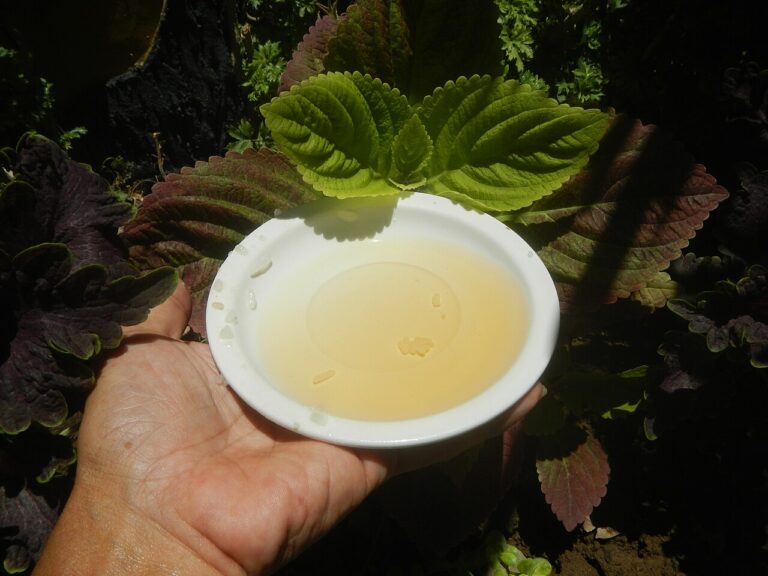
People have used vinegar as a kitchen remedy for thousands of years, from Hippocrates' wound care to the honey-and-vinegar tonics of Persian medicine. Here's what tradition says, what the small modern studies found, and how to take it without hurting your throat.
Evening Primrose
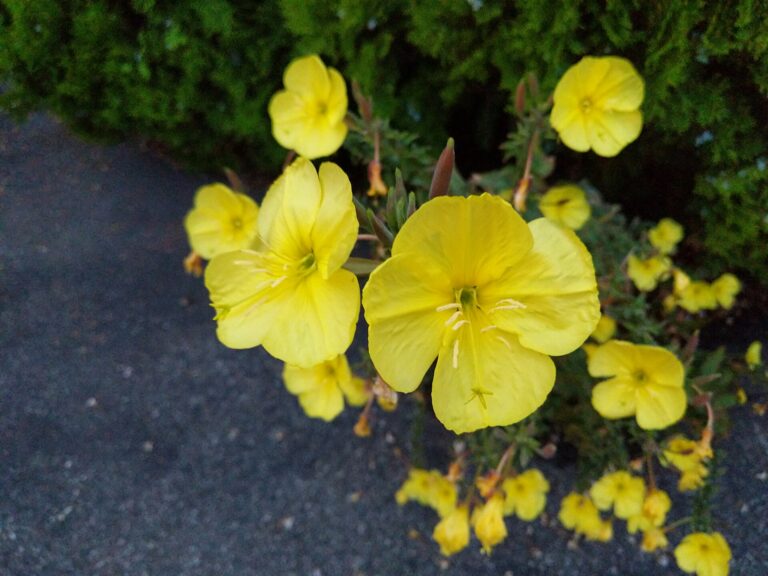
Evening primrose is a tall North American wildflower whose yellow blooms open at dusk. Indigenous peoples ate its roots and greens and used it on bruises and sore skin, and today its seed oil is one of the best-known "women's" and skin supplements.
Lemon Balm
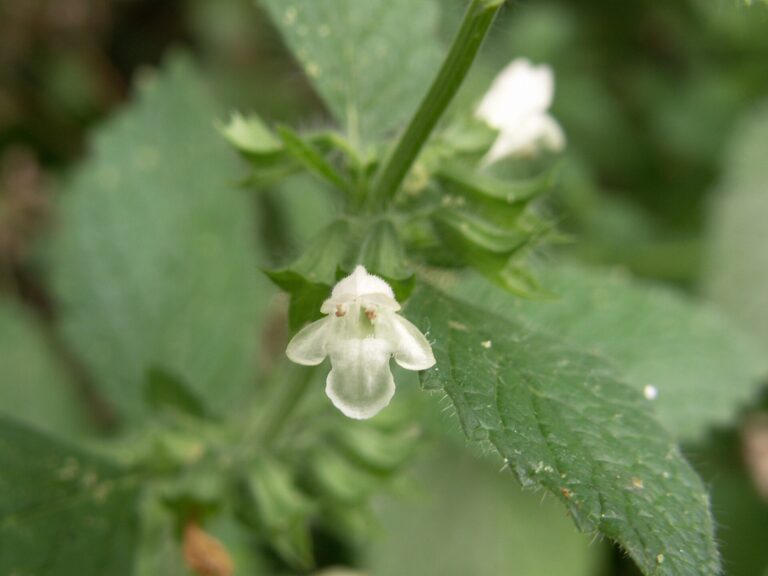
For more than two thousand years, lemon balm has been the herb people reach for to “gladden the heart” and calm a racing mind. Here's how tradition uses it for nerves, sleep, digestion and cold sores, what the research shows, and why people with thyroid conditions should check first.
Guggul
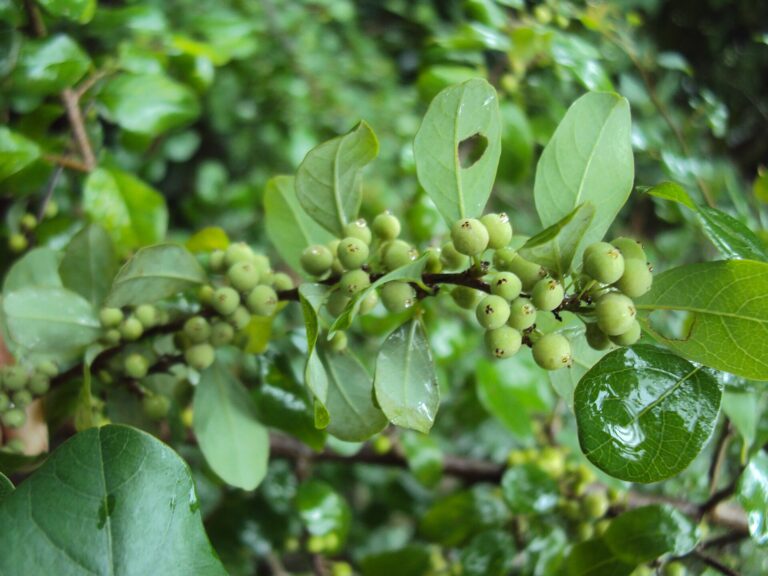
Guggul is the fragrant resin at the heart of Ayurveda's "guggulu" tablets, used for centuries for joints, weight and skin. Here's what the tradition uses it for, why a well-known US trial surprised everyone, and the rash, thyroid and medicine cautions to know first. The tree is also critically endangered, so where it comes from matters.
Celery Juice
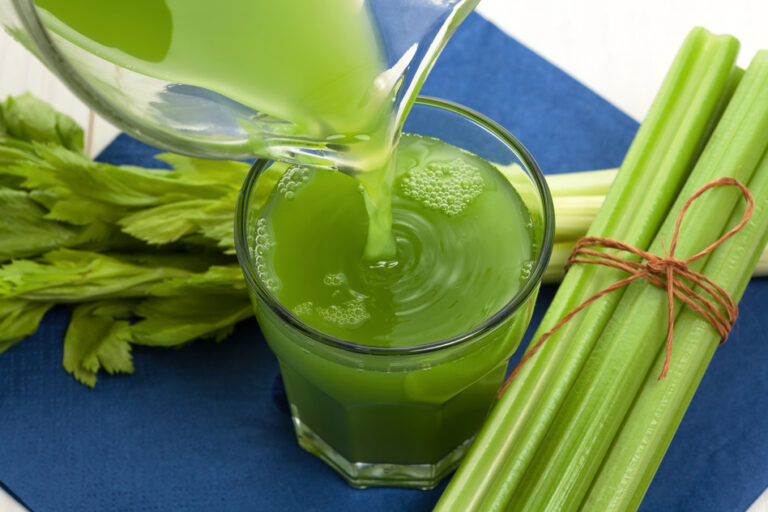
The 16 oz morning celery juice habit is one of the best-known detox trends. Here is where it came from, what the research actually shows (no human trials of the juice itself), what is in a glass, and the allergy, sun-sensitivity, sodium, warfarin and lithium cautions.
Saline Nasal Rinse (Neti Pot)
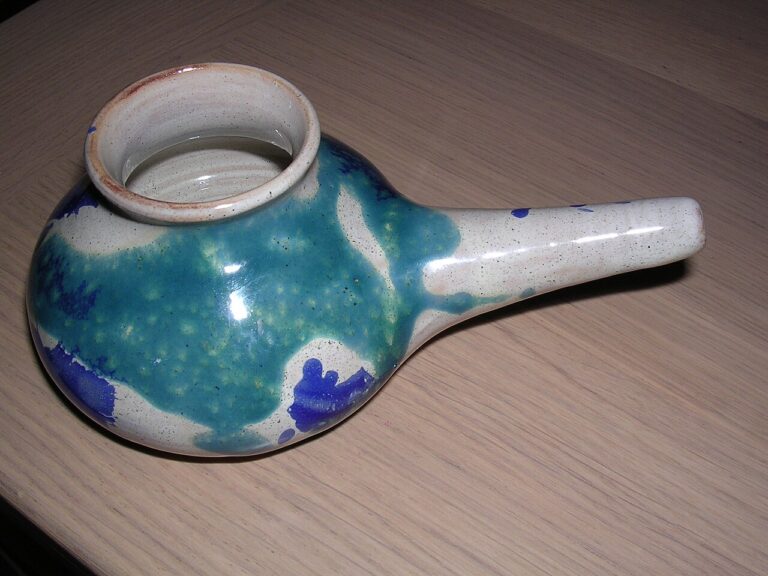
Neti pots and salt-water rinses are one of the most popular home remedies for a stuffy nose, sinus trouble and hay fever. Here's what the trials show, the yogic jala neti tradition, the recipes from allergy and health agencies, and the one water rule you must never skip.