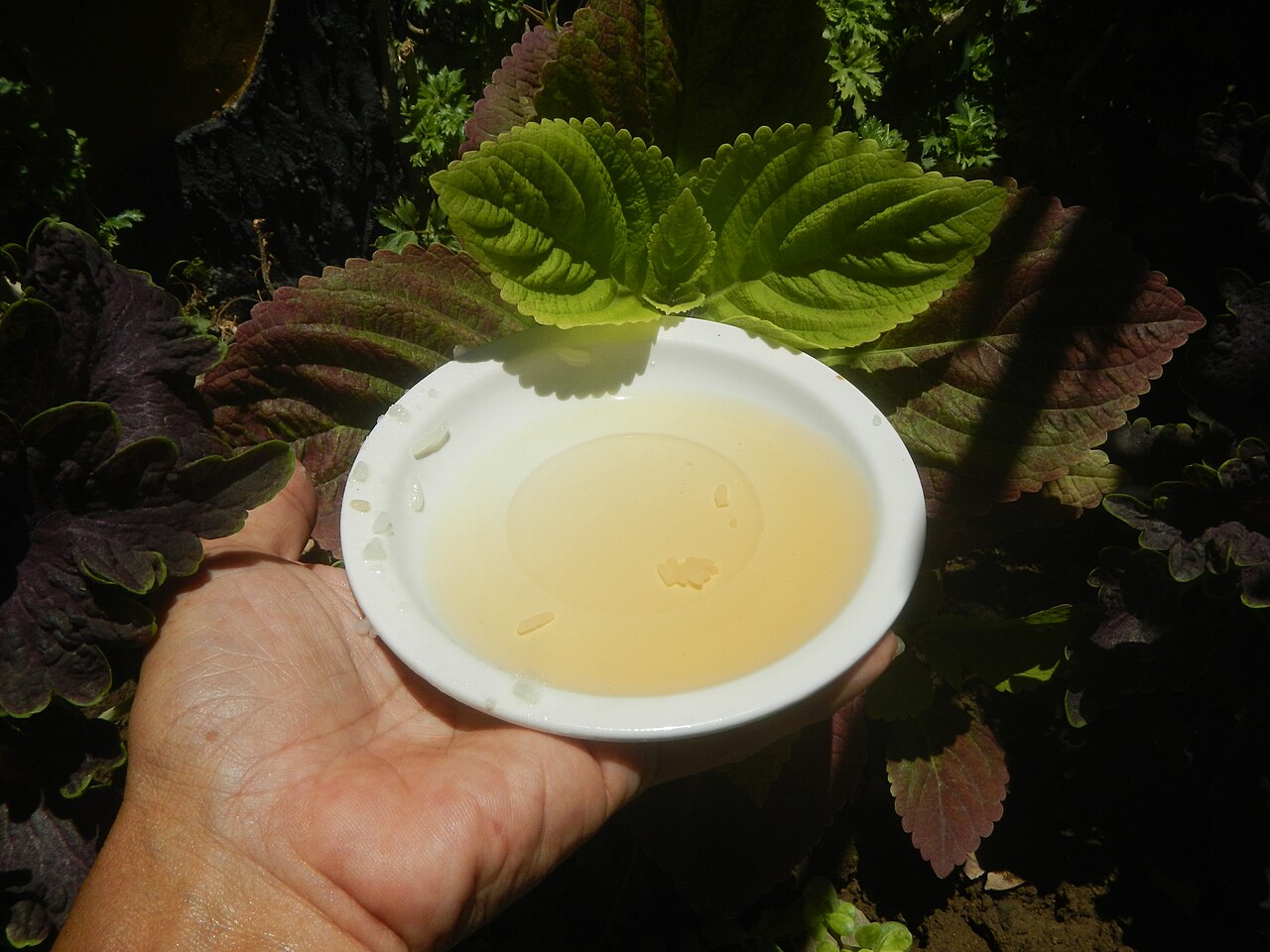
People have used vinegar as a kitchen remedy for thousands of years, from Hippocrates’ wound care to the honey-and-vinegar tonics of Persian medicine. Here’s what tradition says, what the small modern studies found, and how to take it without hurting your throat.
Similar Posts
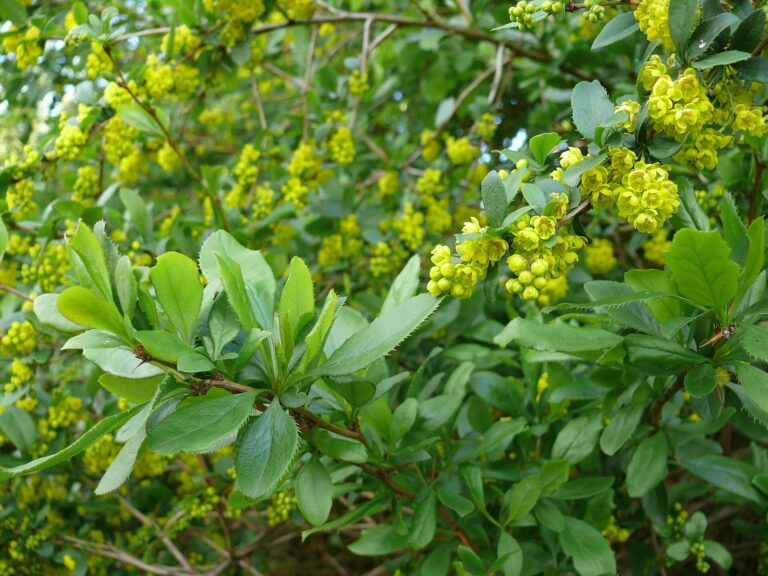
Berberine
Berberine is the bright-yellow compound behind some of the oldest bitter remedies in Ayurveda and Chinese medicine, from Indian barberry to Chinese goldthread. Today it is one of the most-studied plant compounds for metabolic health, and one of the most interaction-prone, so it is worth reading the safety section first.
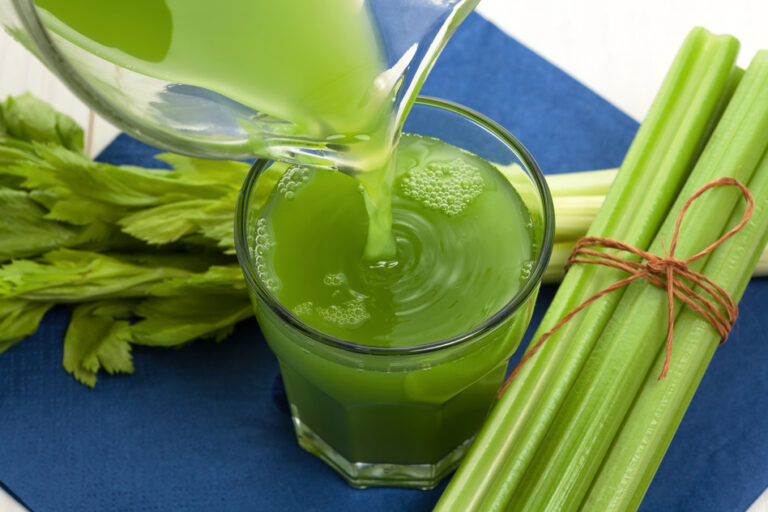
Celery Juice
The 16 oz morning celery juice habit is one of the best-known detox trends. Here is where it came from, what the research actually shows (no human trials of the juice itself), what is in a glass, and the allergy, sun-sensitivity, sodium, warfarin and lithium cautions.
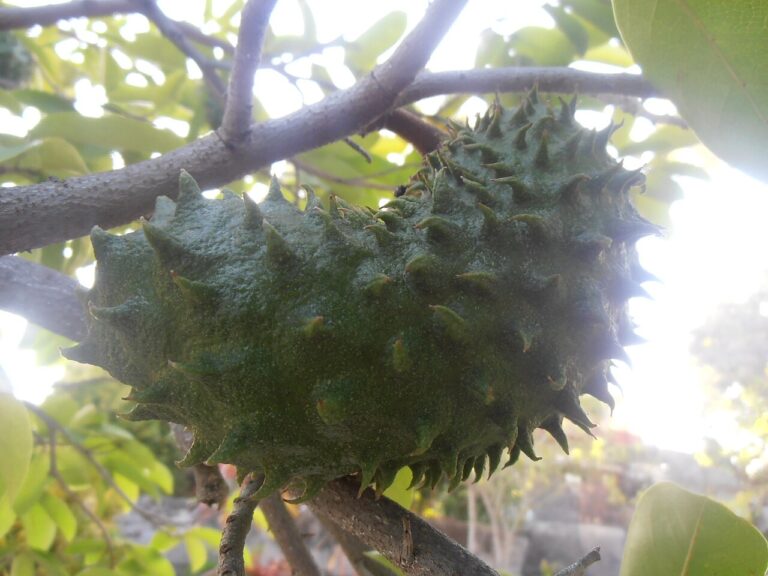
Soursop (Graviola)
A tropical fruit tree whose leaves have been brewed as a folk tea across the Caribbean, Latin America and Africa for generations. Here's what tradition says, what the research has (and hasn't) shown, and the safety points every user should know first.
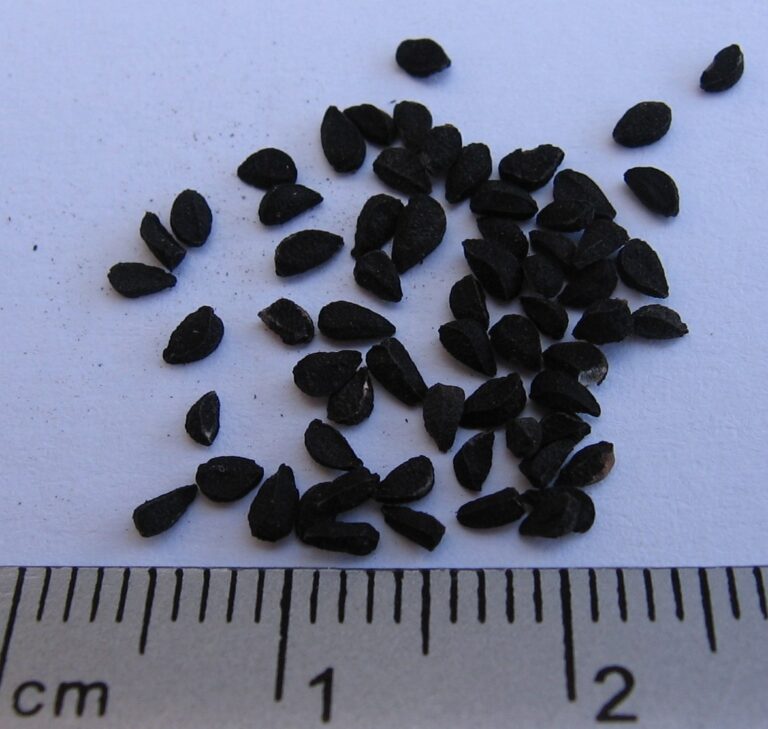
Black Seed Oil (Nigella sativa)
A small black seed that has been a kitchen spice and a household remedy across the Middle East, North Africa and South Asia for centuries. Members use the seeds and cold-pressed oil for digestion, breathing, skin and everyday wellness.
Valerian
Valerian has been the classic "sleep root" since the days of Hippocrates and Galen, and it's still one of the most-used herbs for restless nights and nervous tension. Here's how tradition uses it, what the research on sleep really shows, why it can take a few weeks to work, and who should skip it.
Evening Primrose
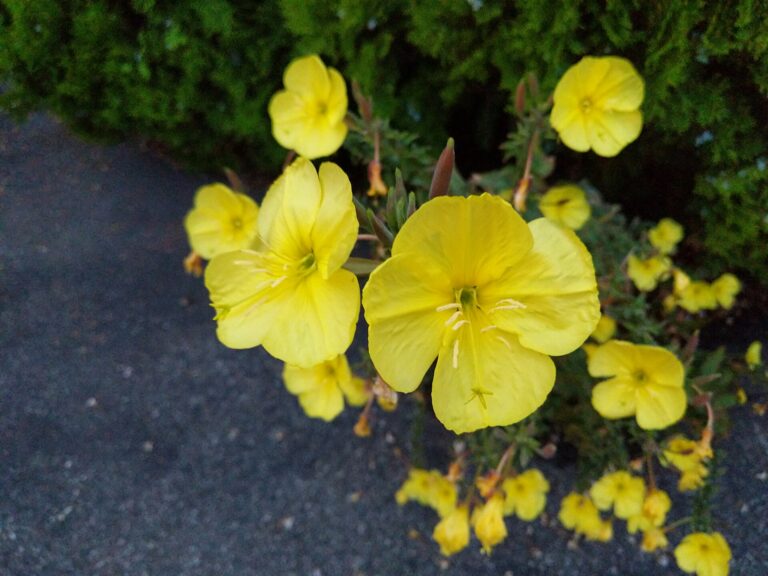
Evening primrose is a tall North American wildflower whose yellow blooms open at dusk. Indigenous peoples ate its roots and greens and used it on bruises and sore skin, and today its seed oil is one of the best-known "women's" and skin supplements.