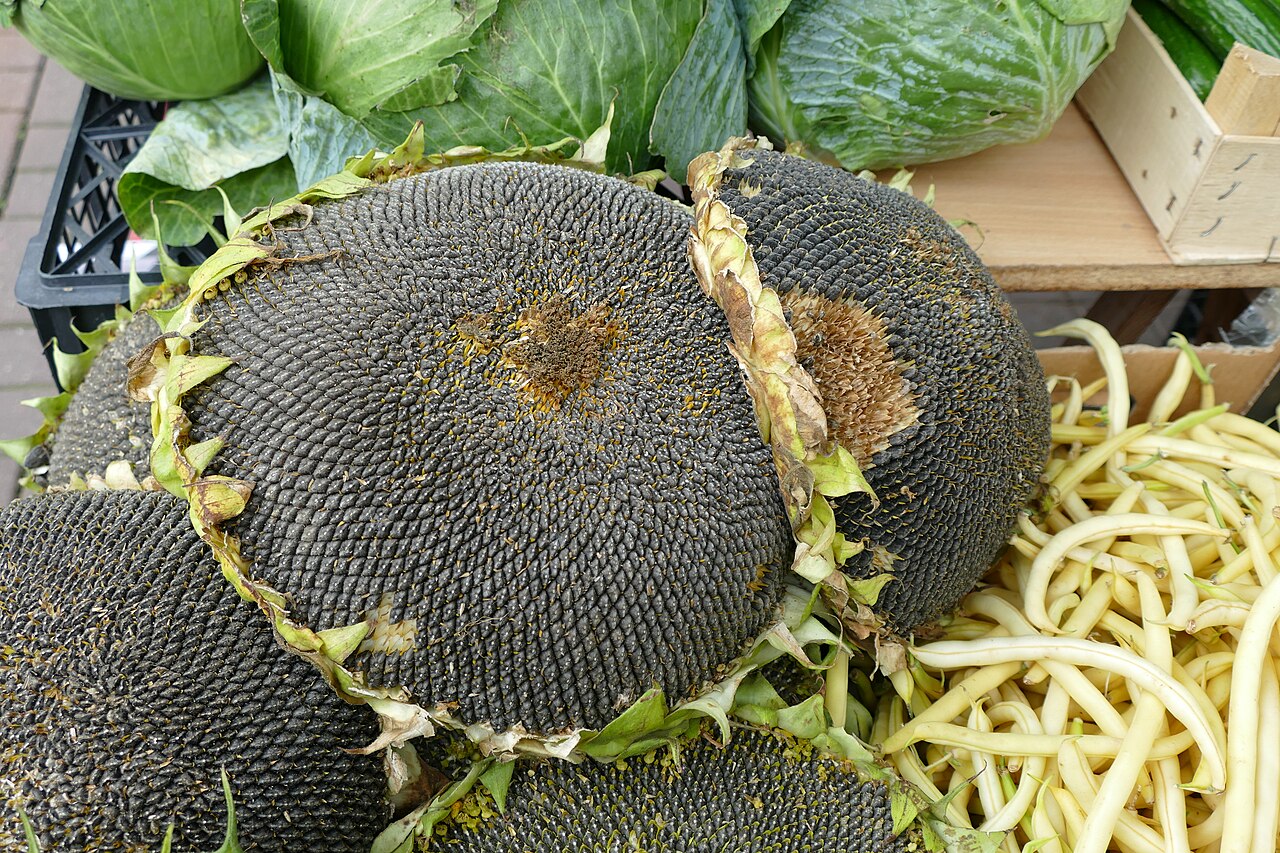
The antioxidant vitamin in nuts, seeds and plant oils — and in the AREDS eye formula. How much people need, the food sources, what the big heart and eye trials found, and where high doses get risky.
Similar Posts
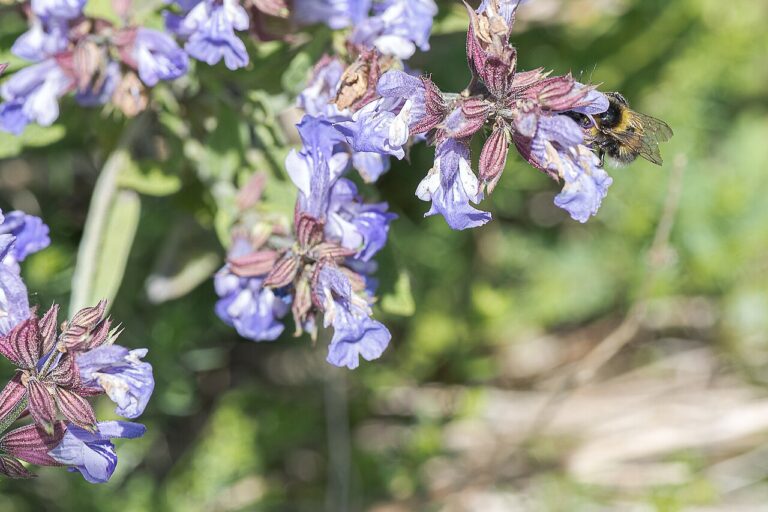
Sage
The grey-green kitchen herb of stuffing and brown butter has one of the longest medicinal records in Europe — "Sage the Saviour" to the medieval school of Salerno. Members can read what it has been used for, from sore throats and night sweats to memory, and how to use it well.
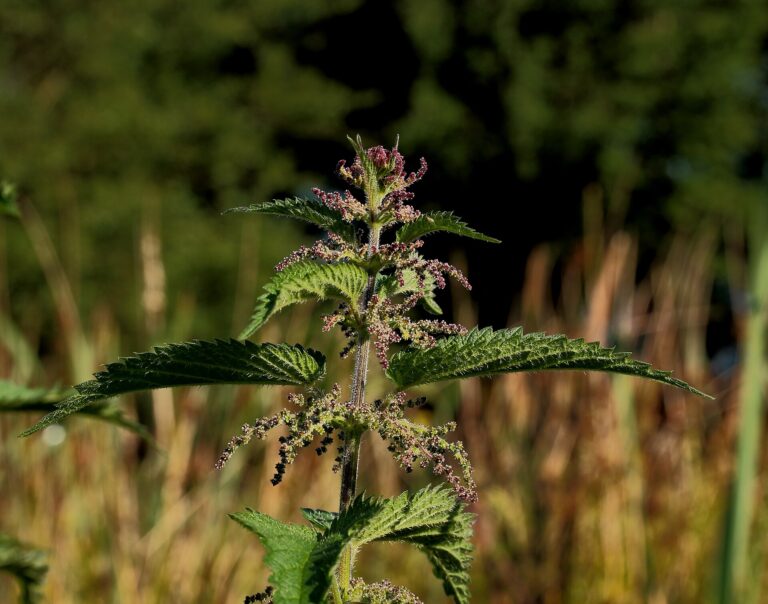
Nettle
Nettle stings on the trail, but it has been a spring food, a joint remedy, a fibre plant and a "strengthening and cleansing" tea for peoples across Europe, North Africa and North America. Here's how tradition uses the leaf and the root, what the research shows for joints, the prostate and urination, and who should skip it.
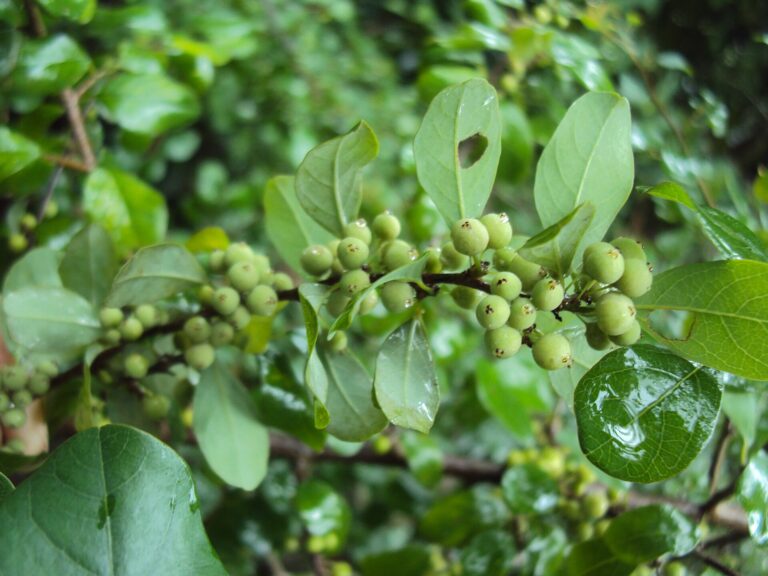
Guggul
Guggul is the fragrant resin at the heart of Ayurveda's "guggulu" tablets, used for centuries for joints, weight and skin. Here's what the tradition uses it for, why a well-known US trial surprised everyone, and the rash, thyroid and medicine cautions to know first. The tree is also critically endangered, so where it comes from matters.
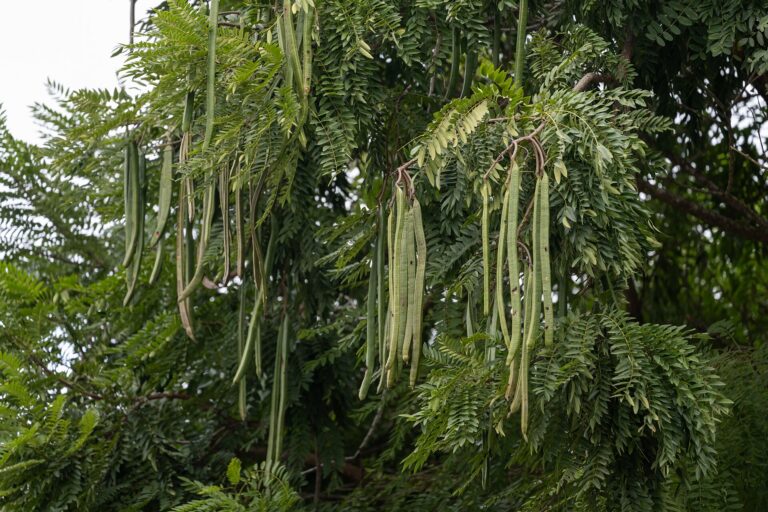
Moringa
Called the "miracle tree" across Asia and Africa, moringa is both a food and a traditional medicine, and its leaves are packed with plant nutrients. Here's what tradition uses it for, what the studies show, and who should be careful with it.
Holy Basil (Tulsi)
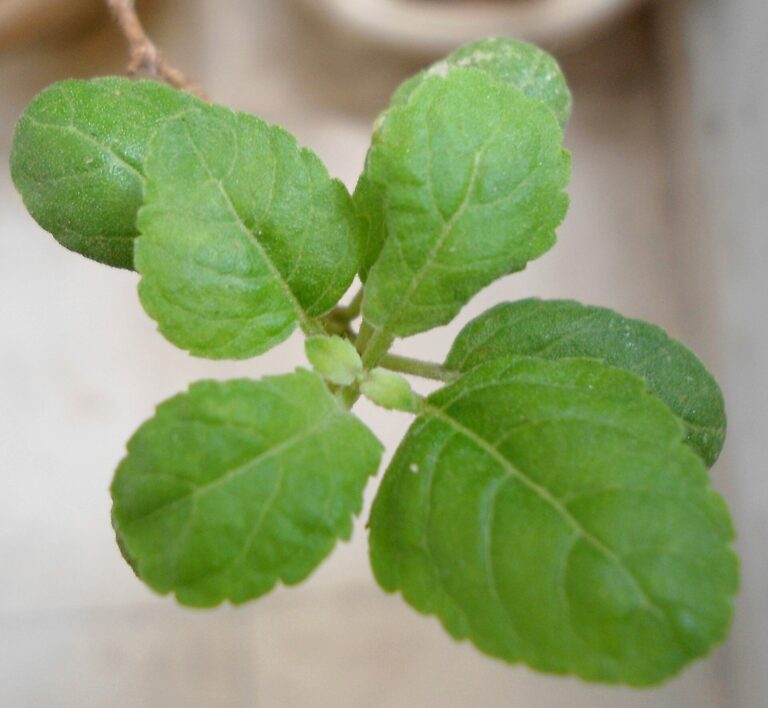
Sacred in Hindu tradition and called the "elixir of life" in Ayurveda, tulsi has been a daily tonic in India for thousands of years. Here's what tradition uses it for, what the modern studies show, and who should be careful with it.
Saffron
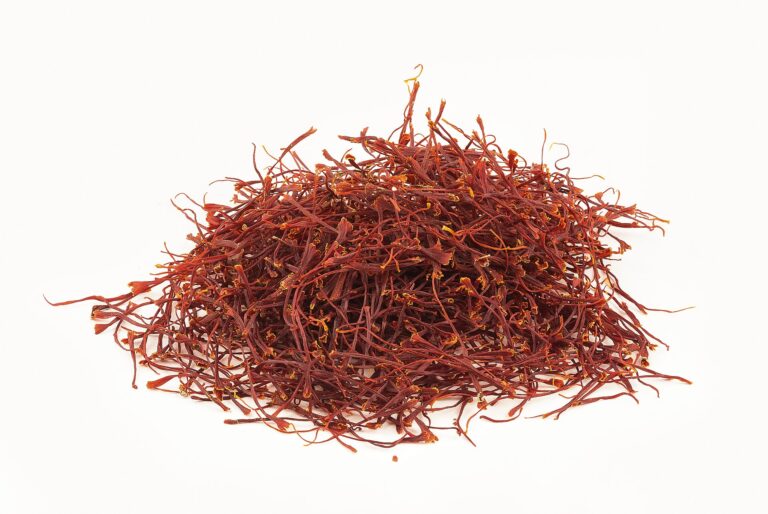
The world's most expensive spice is also one of the oldest mood herbs on record: Persian physicians called it a heart-gladdener, and modern trials have tested it for low mood and PMS. This profile covers how tradition uses it, what the research shows, and why "more" is not better with saffron.