Before there were tubes of cream, there was the poultice: a warm cloth of onion, mustard, bread or clay laid where it hurt. Here’s how each one has been used, what people still reach for them for, and how to use them safely.
Similar Posts
Nausea: natural options
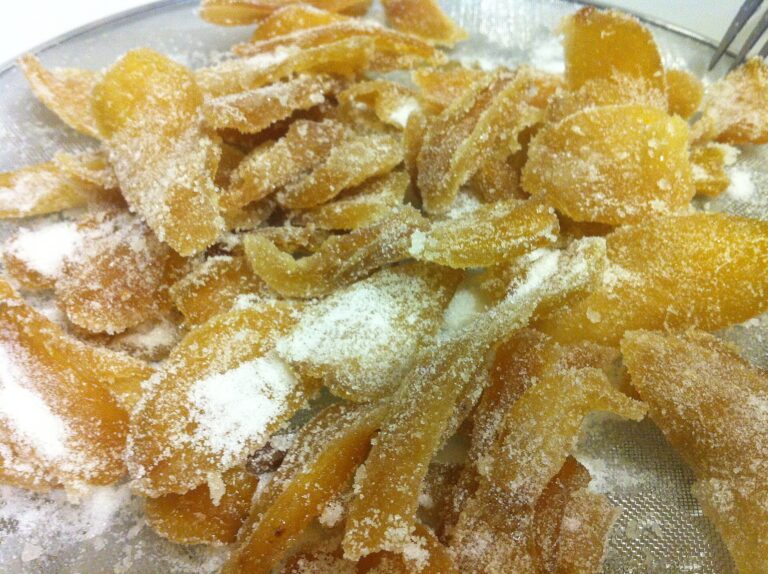
Ginger, wrist acupressure, a sniff of an alcohol swab, cold sips and dry crackers: some nausea remedies have real trials behind them and others are mostly tradition. This entry sorts them by evidence and lists the signs that mean nausea needs a doctor, not a cup of tea.
B-Complex
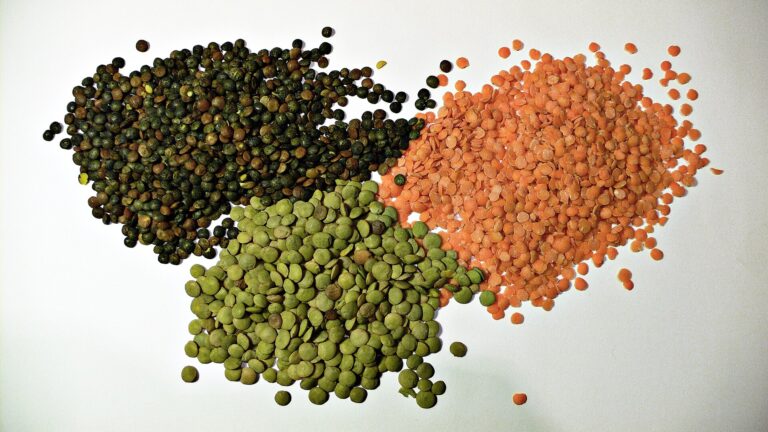
A B-complex bundles the eight B vitamins your body uses to turn food into energy and keep nerves and blood healthy. Here's what each one does, who tends to run low, what the research on stress and energy shows, and why "more" on the label isn't always better.
Parsley (Herbal Profile)
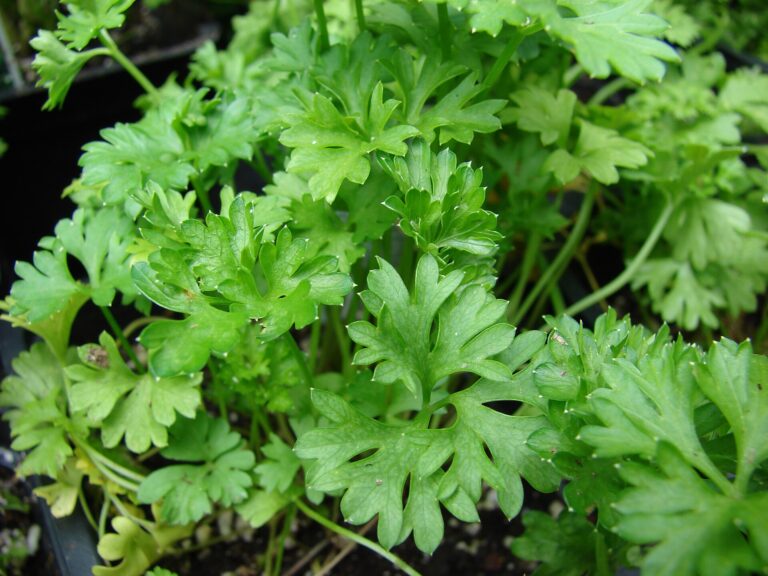
The garnish on your plate has a long history as a kitchen herb for the bladder and the belly. This profile covers how traditions used the leaf, root and seed, why the evidence is thin, and why the seed and its oil are a different matter from the leaf.
Mustard Seed
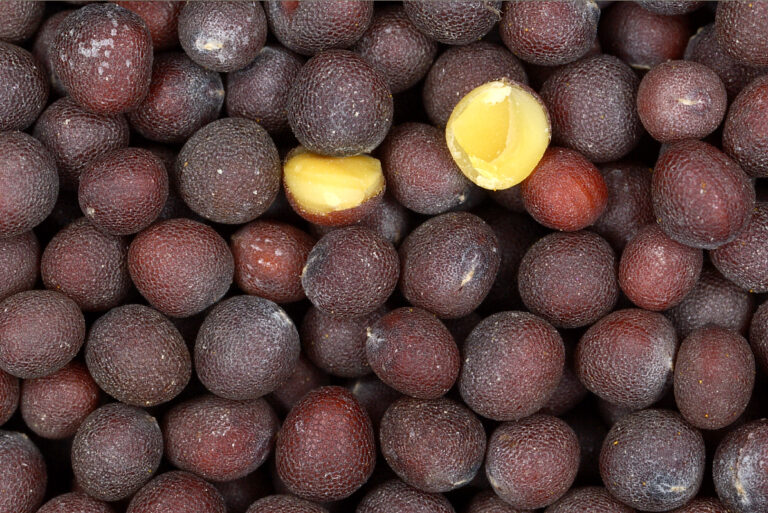
The seed in your mustard jar was once the go-to chest plaster and digestive spice. Here's how it was used, what the research says, and why mustard plasters can burn.
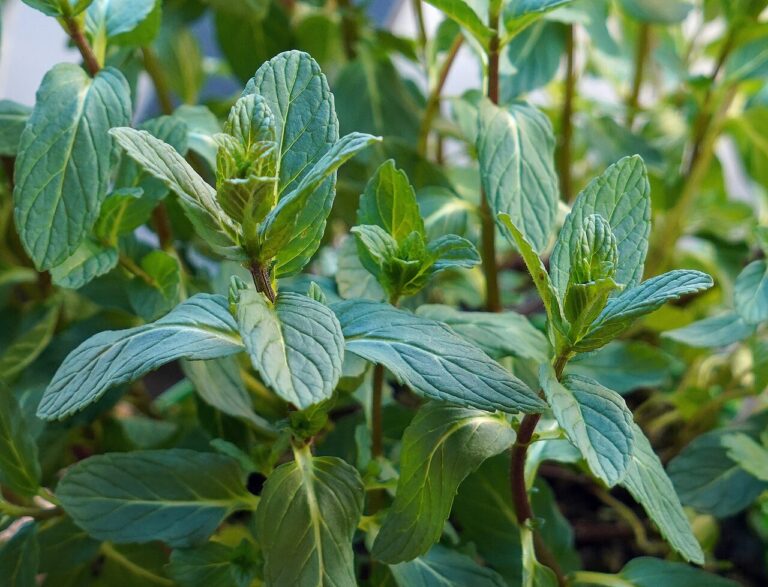
Spearmint
Spearmint is the gentle, sweet mint of Moroccan tea and the herb garden — and it has become the tea women with PMOS talk about. Members can read what it's traditionally used for, the hormone research, and how to drink it well.
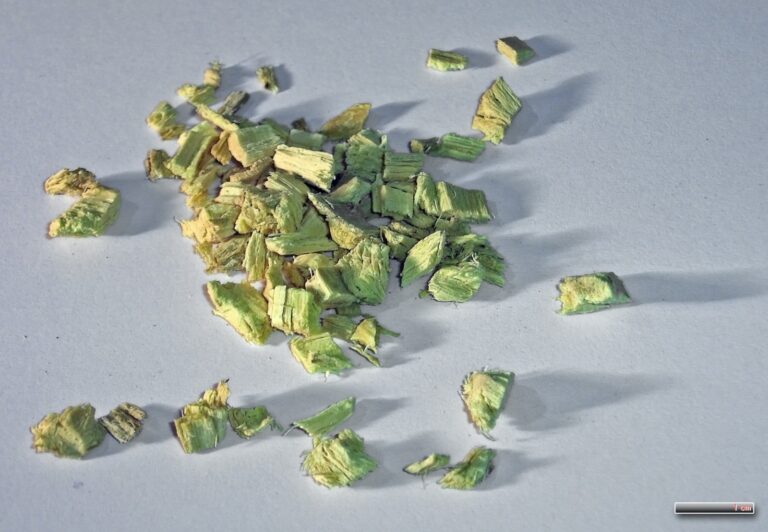
Licorice Root
One of the oldest and most widely used herbs on earth, licorice root is the sweet "harmonizer" of Chinese formulas and a soothing tonic in Ayurveda. Here's what traditions use it for, what the research shows, and why it's one herb you need to respect.