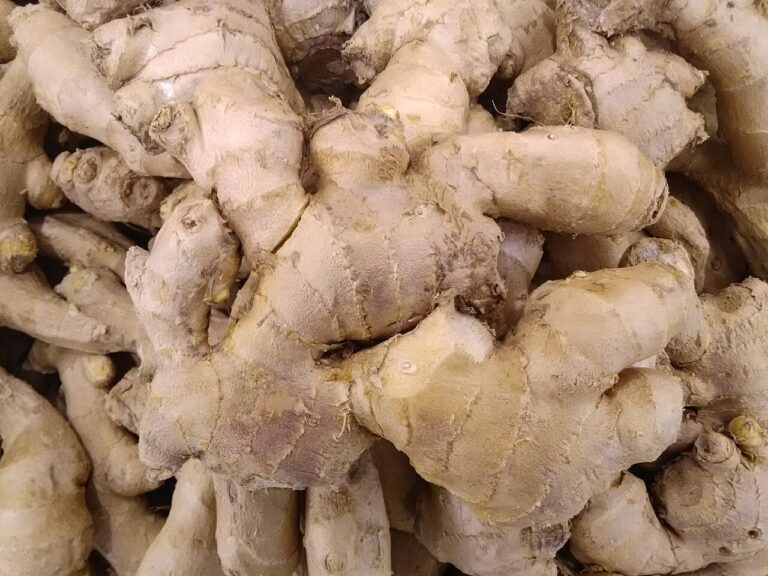
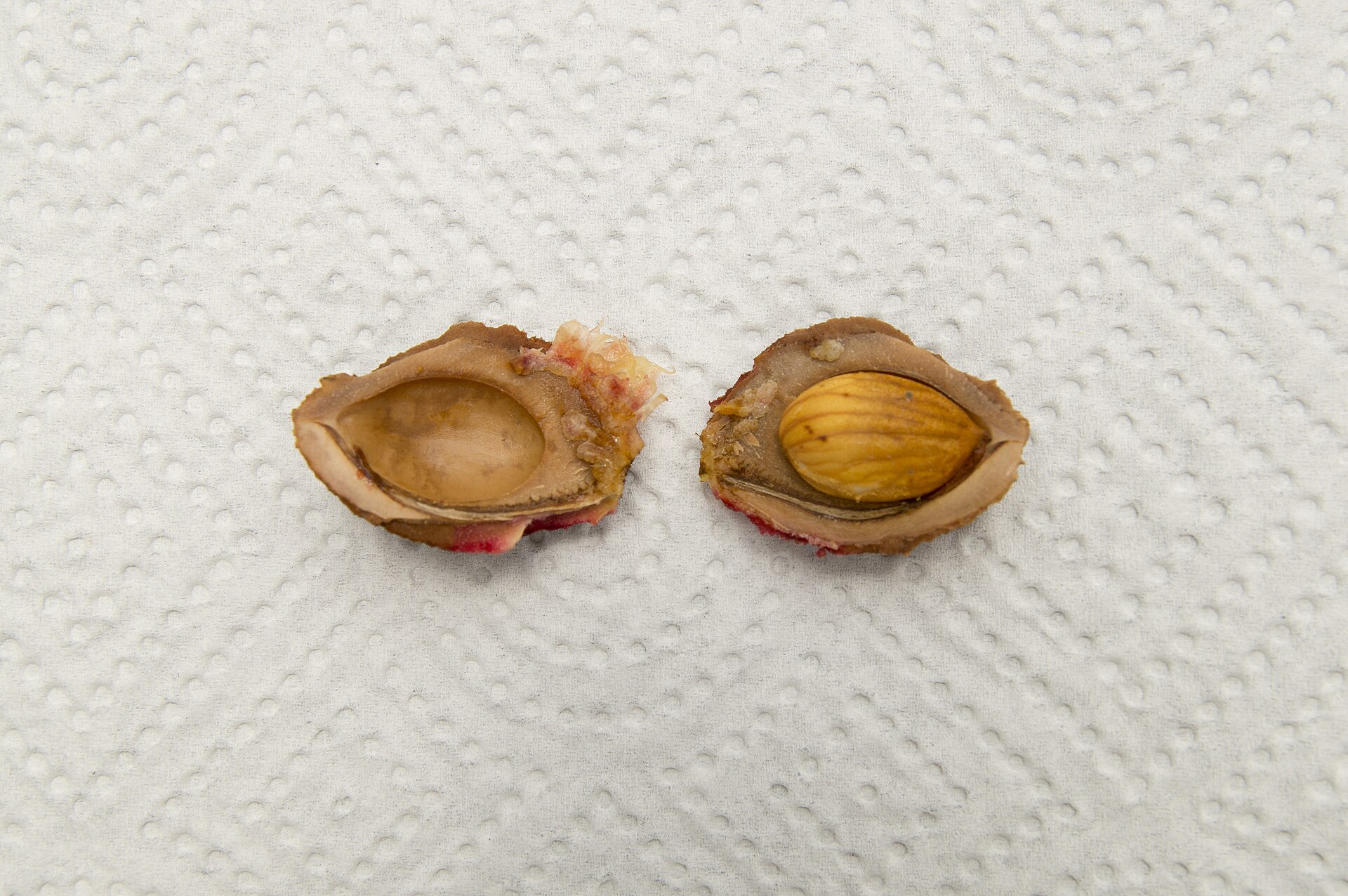
Peach kernel is a classic Chinese herb for menstrual pain and constipation, but the raw seed contains amygdalin, which the body turns into cyanide. This profile explains the tradition and why it’s a practitioner-only herb.
Similar Posts
Spirulina
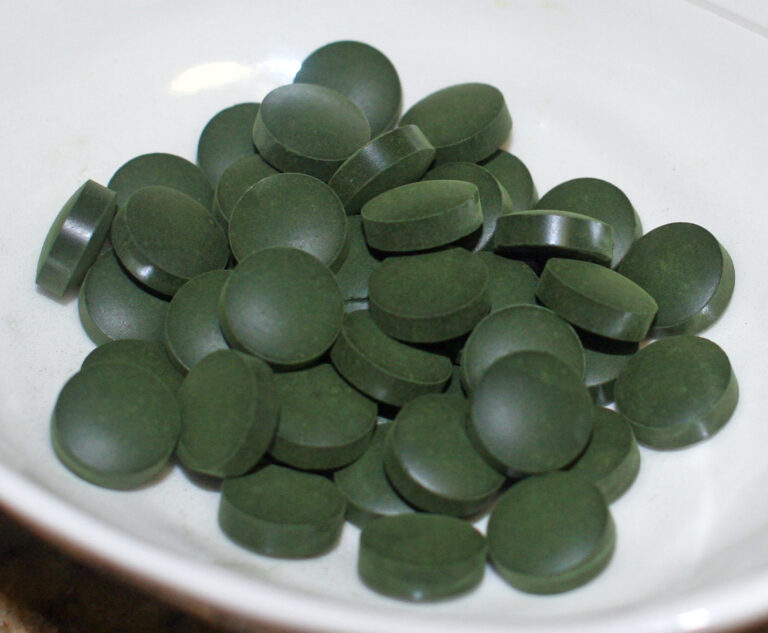
Spirulina is a deep blue-green algae powder that's been eaten as food for centuries, and many detoxers add it to smoothies during heavy-metal and liver routines. Members get the full entry: what the small studies found, typical amounts, and why where your spirulina comes from matters more than almost anything else.
Steam Inhalation
Breathing warm, moist air over a bowl of hot water is a family remedy for stuffy noses and sinus trouble. Here's what the trials show, how people do it, and why burns units warn against bowl steaming with children.
Thyme
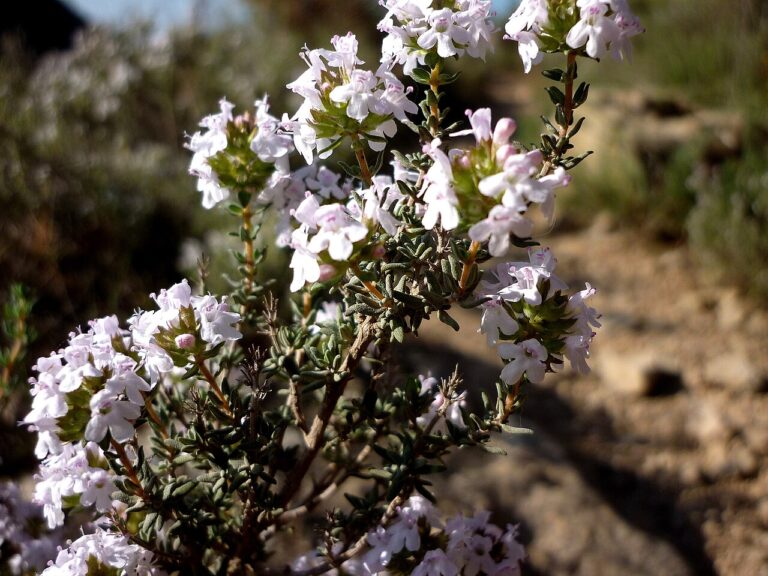
The kitchen herb behind many old-fashioned cough syrups and mouthwashes. Thyme has been used for chesty coughs, sore throats and digestion since ancient Greece, and it's still an approved traditional cough remedy in Europe.
Shatavari
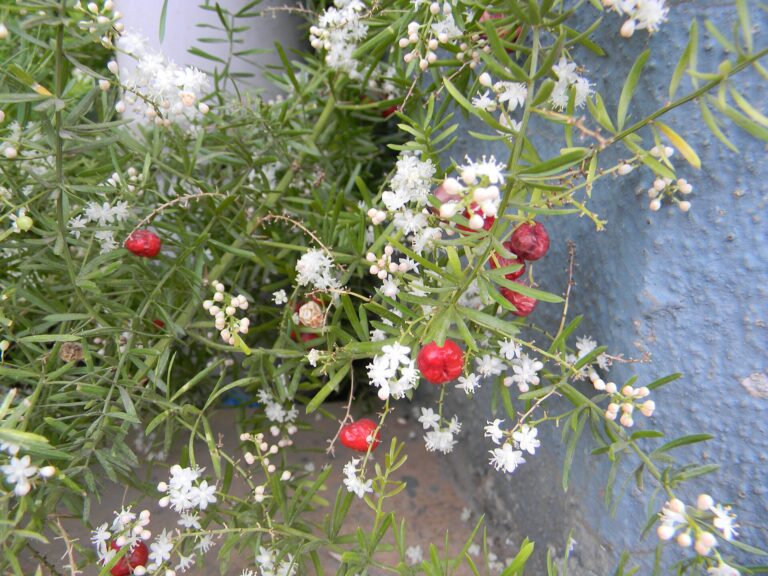
Shatavari is one of Ayurveda's best-known "women's tonics", a cooling, nourishing root used for centuries for breast milk, the monthly cycle and strength. Here's what tradition says, what the small studies show, and who should be careful with it.
Goldenseal
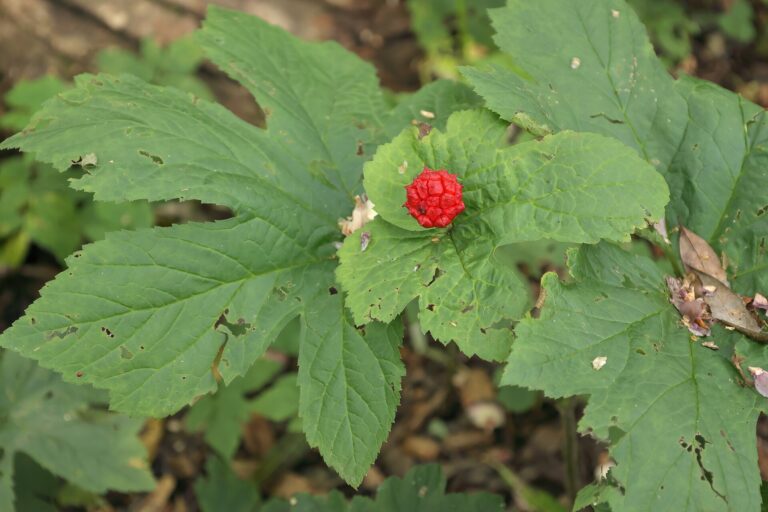
A small woodland plant of eastern North America with a bright-yellow root, used by Cherokee, Iroquois and other Indigenous nations for sore eyes, wounds and as a yellow dye. It became one of the best-known remedies of 19th-century herbal medicine, and is now so heavily harvested that it's a protected, at-risk species, so where it comes from matters.
Ginger
Ayurveda calls dried ginger "the great medicine" and Chinese medicine calls fresh ginger its most important herb for nausea. Here's how each tradition uses it, what the trials found for nausea, period pain and sore joints, and which medicines to check before taking it as a supplement.