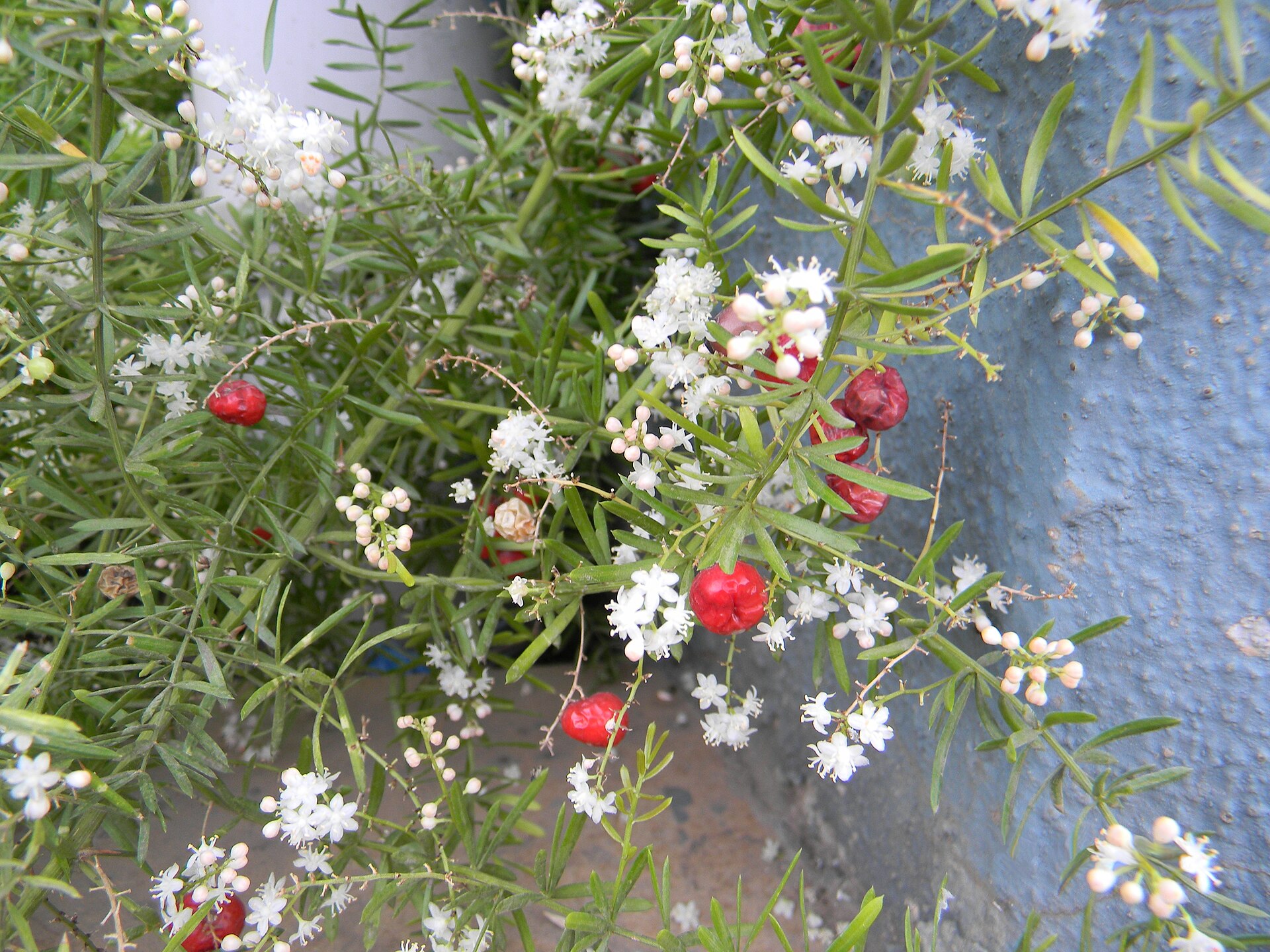
Shatavari

Shatavari (Asparagus racemosus) plant with white flowers and red berries

Shatavari is one of Ayurveda’s best-known “women’s tonics”, a cooling, nourishing root used for centuries for breast milk, the monthly cycle and strength. Here’s what tradition says, what the small studies show, and who should be careful with it.

Members-only guide

The full guide, with how to use it and the safety notes, is in the Remedies Vault.

See what’s in the Vault

Already a member? Log in here

Free remedies by email

Simple natural remedies and detox tips from Clif. Unsubscribe anytime.
Similar Posts

  • Astragalus

    Huang Qi, the yellow root behind Chinese "Jade Windscreen" formulas, is one of the best-known qi tonics in traditional Chinese medicine and a popular immune-season herb in the West. Here's what the tradition uses it for, what the (mostly small, Chinese) studies show, the Health Canada amounts, and why people with autoimmune disease or a transplant should steer clear.

    Members-only guide

    The full guide, with how to use it and the safety notes, is in the Remedies Vault.

    See what’s in the Vault

    Already a member? Log in here
  • |

    Garlic

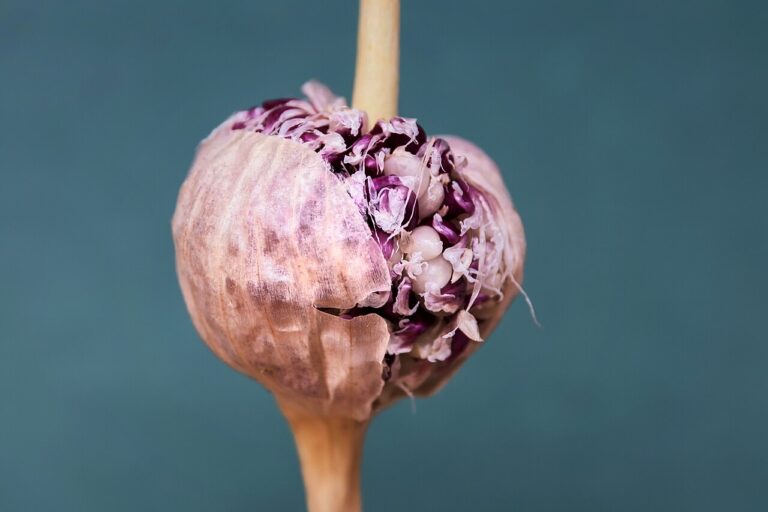
    Garlic fed the pyramid builders, went into Hippocrates' remedies and is still one of the most used herbs in Ayurveda and Chinese medicine. Here's how each tradition uses it, what the bigger modern studies found for blood pressure, cholesterol and colds, and the medicine interactions that come with the supplements.

    Members-only guide

    The full guide, with how to use it and the safety notes, is in the Remedies Vault.

    See what’s in the Vault

    Already a member? Log in here
  • |

    Magnesium

    In 1618 an English farmer found that cattle on Epsom Common wouldn't drink from a bitter pool. The salt left behind became one of the best-known home remedies of the next 350 years. Here's how people use magnesium today for sleep, muscles, headaches and regularity, what the studies found, and the safety limits that matter.

    Members-only guide

    The full guide, with how to use it and the safety notes, is in the Remedies Vault.

    See what’s in the Vault

    Already a member? Log in here
  • Lovage

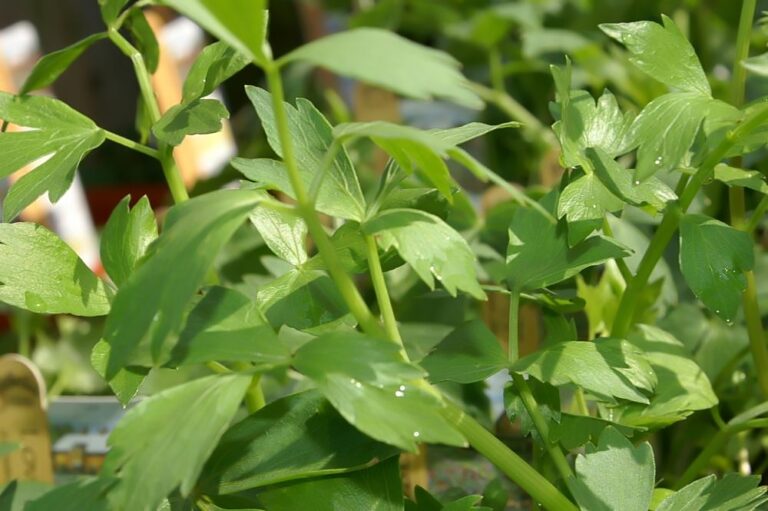
    A tall, celery-scented garden herb that has been in European kitchens and medicine chests since the Greeks. Here's how it's used for the waterworks and the stomach, and what to know before you brew the root.

    Members-only guide

    The full guide, with how to use it and the safety notes, is in the Remedies Vault.

    See what’s in the Vault

    Already a member? Log in here