Rhubarb Root

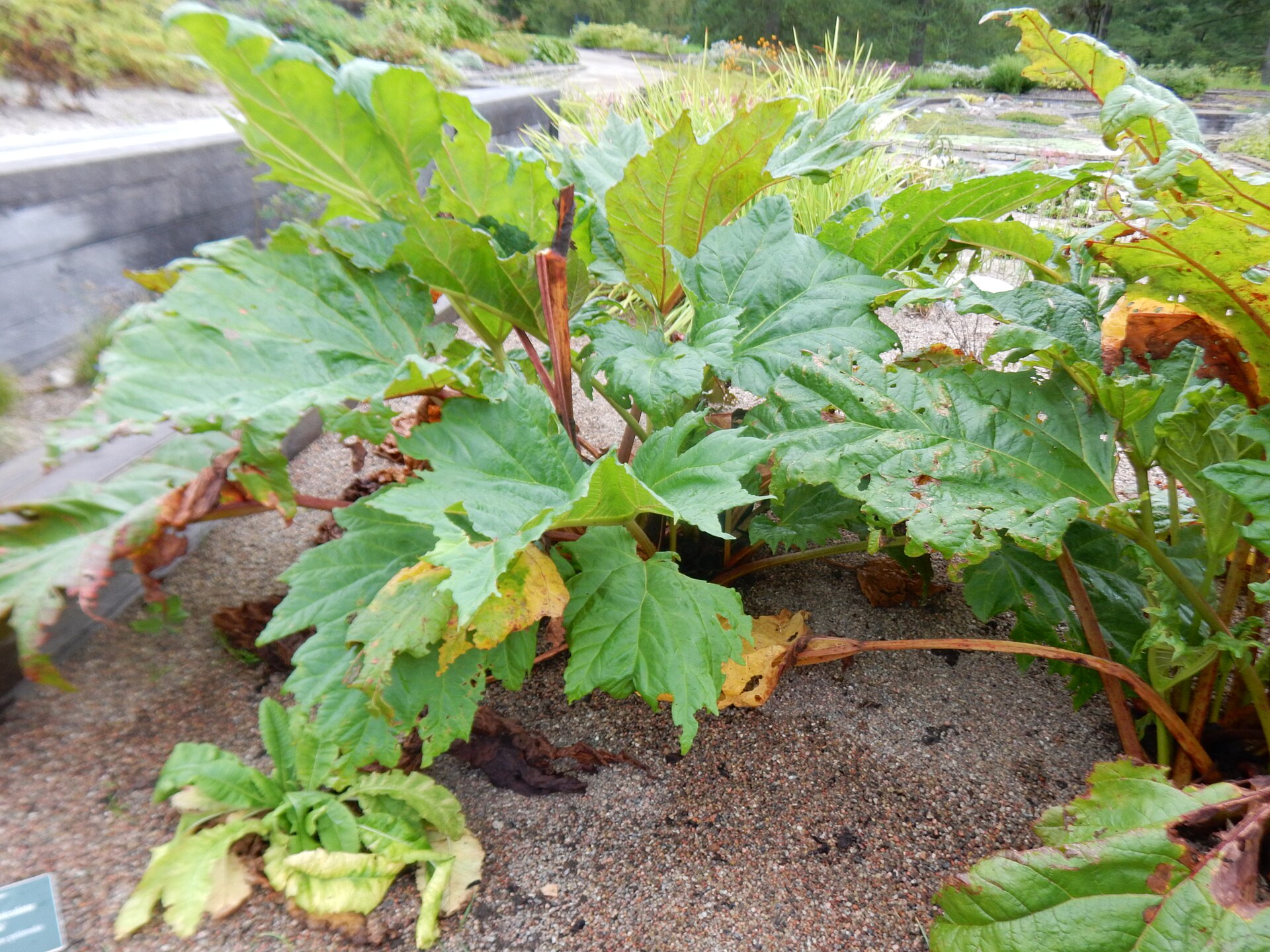
Large leaves of a Chinese rhubarb (Rheum palmatum) plant

Chinese rhubarb root is a strong stimulant laxative herb with a 2,000-year history in Chinese medicine. Europe’s herbal regulators allow it only for short-term use, and it isn’t for everyone; here’s what members need to know before trying it.

Members-only guide

The full guide, with how to use it and the safety notes, is in the Remedies Vault.

See what’s in the Vault

Already a member? Log in here

Free remedies by email

Simple natural remedies and detox tips from Clif. Unsubscribe anytime.
Similar Posts

  • Saffron

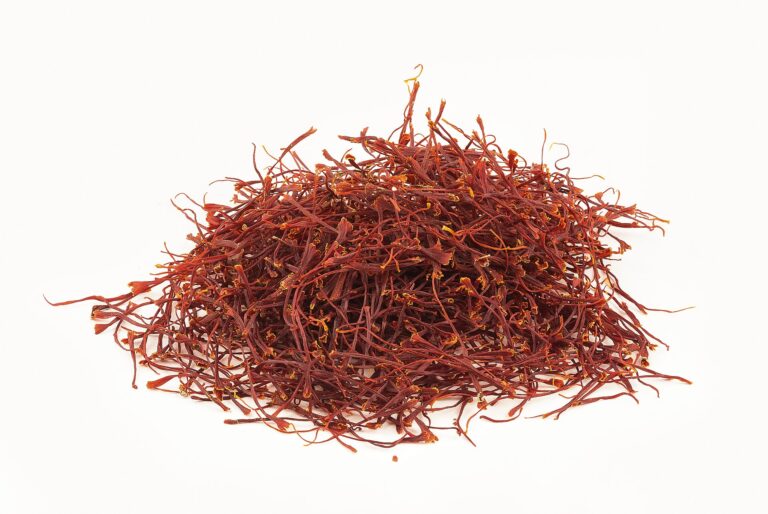
    The world's most expensive spice is also one of the oldest mood herbs on record: Persian physicians called it a heart-gladdener, and modern trials have tested it for low mood and PMS. This profile covers how tradition uses it, what the research shows, and why "more" is not better with saffron.

    Members-only guide

    The full guide, with how to use it and the safety notes, is in the Remedies Vault.

    See what’s in the Vault

    Already a member? Log in here
  • Sheng Ma (Safety Profile)

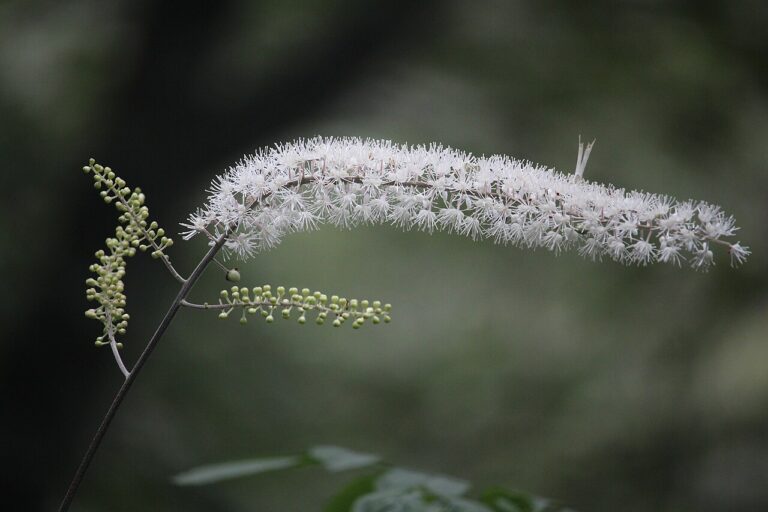
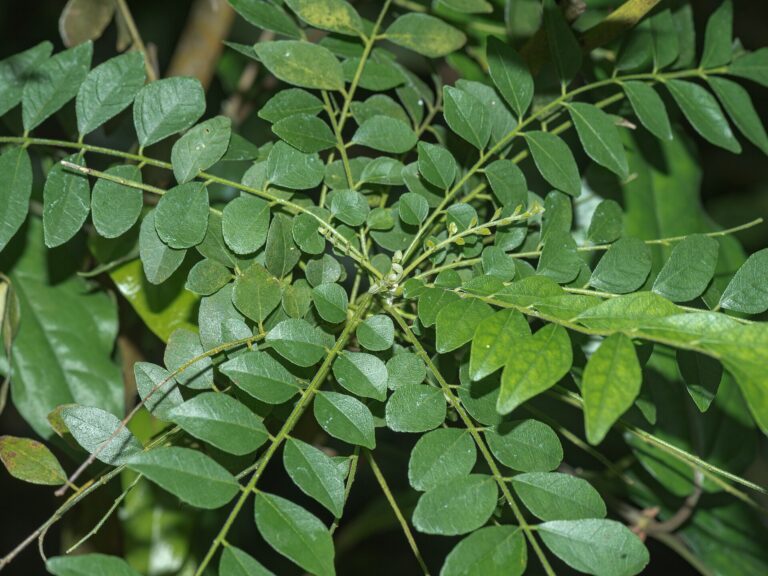
    Sheng Ma is a classic Chinese herb used inside formulas to "lift" what has sunk and to clear heat from the mouth and throat. It's also the plant most often found in black cohosh bottles that aren't what they say. Members can read both stories here.

    Members-only guide

    The full guide, with how to use it and the safety notes, is in the Remedies Vault.

    See what’s in the Vault

    Already a member? Log in here
  • Flaxseed

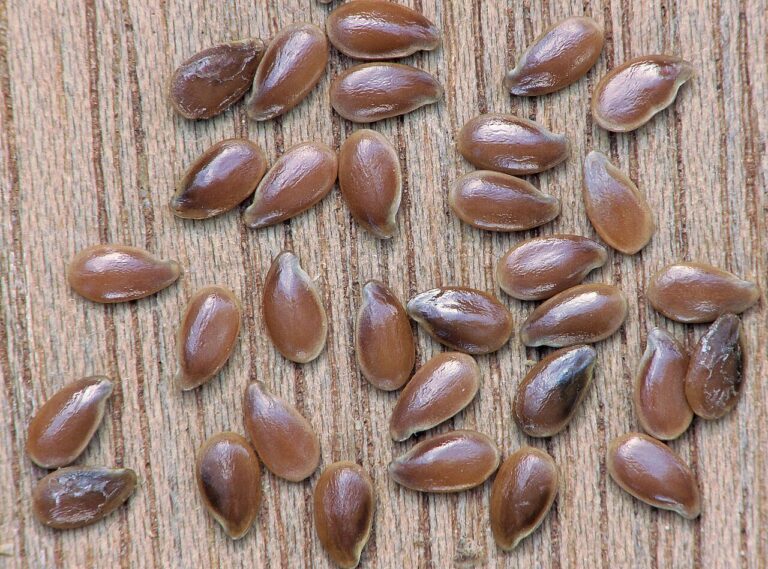
    The small brown or golden seed behind linseed tea, old-fashioned linseed poultices and today's breakfast sprinkle. Flax has been a food, fibre and folk remedy for thousands of years and is now one of the better-studied seeds for the bowels and blood pressure.

    Members-only guide

    The full guide, with how to use it and the safety notes, is in the Remedies Vault.

    See what’s in the Vault

    Already a member? Log in here
  • Bael

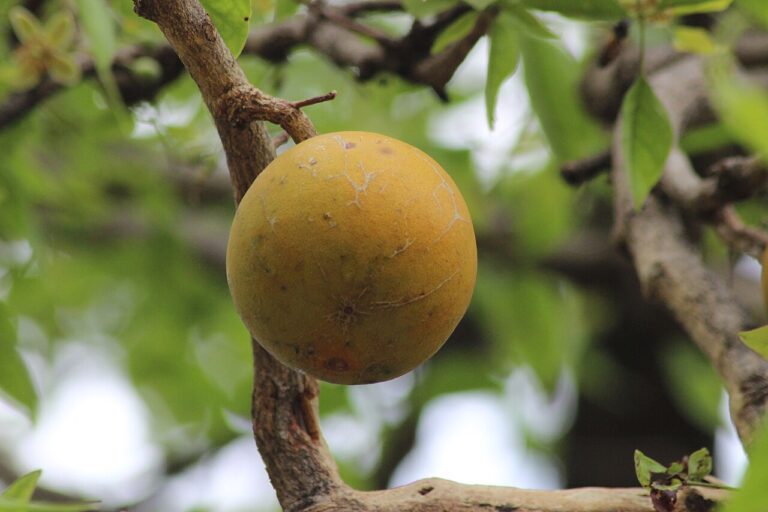
    Bael is a hard-shelled fruit from a tree sacred in India, and its unripe pulp is one of Ayurveda's best-known standbys for loose stools. Here's what tradition and research say, and why unripe and ripe fruit are used so differently.

    Members-only guide

    The full guide, with how to use it and the safety notes, is in the Remedies Vault.

    See what’s in the Vault

    Already a member? Log in here
  • Ajwain (Carom Seed)

    Ajwain is the tiny, thyme-scented seed that goes into Indian breads, pakoras and bean dishes, and it's one of Ayurveda's and Unani medicine's best-known kitchen remedies for wind and indigestion. Here's what those traditions use it for, what little research there is, how it's taken, and why it's a firm no in pregnancy.

    Members-only guide

    The full guide, with how to use it and the safety notes, is in the Remedies Vault.

    See what’s in the Vault

    Already a member? Log in here