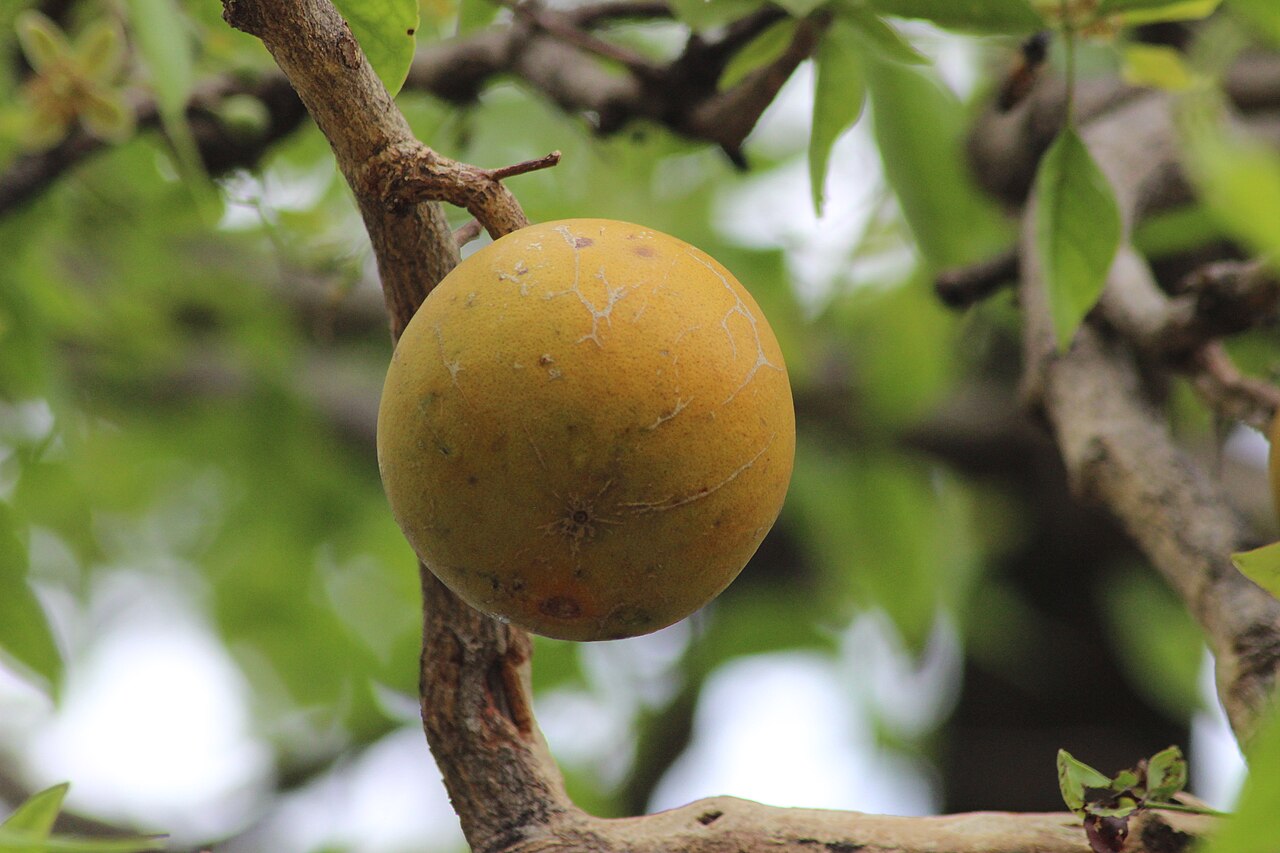
Bael is a hard-shelled fruit from a tree sacred in India, and its unripe pulp is one of Ayurveda’s best-known standbys for loose stools. Here’s what tradition and research say, and why unripe and ripe fruit are used so differently.
Similar Posts
Sluggish Digestion
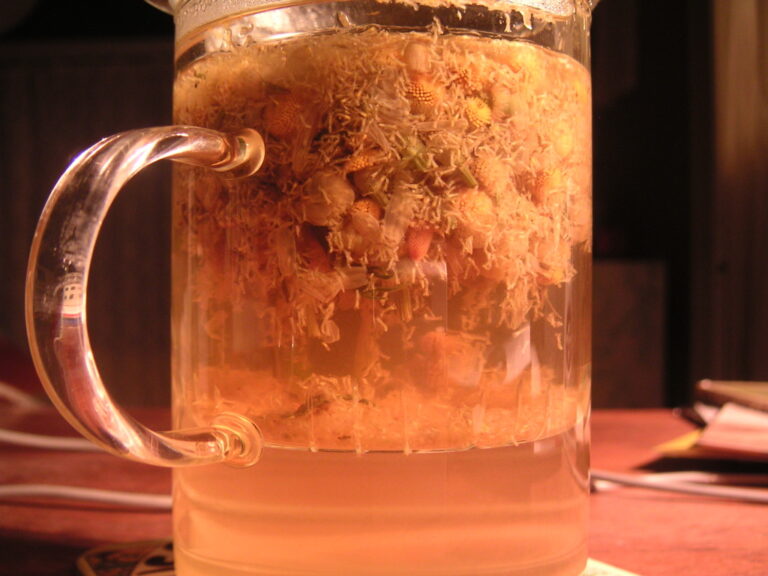
That heavy, too-full feeling that lingers long after a meal is one of the most common gut complaints. This guide walks through every natural option people use, from bitters and ginger to how you eat, with the evidence for each laid out honestly.
Evening Primrose
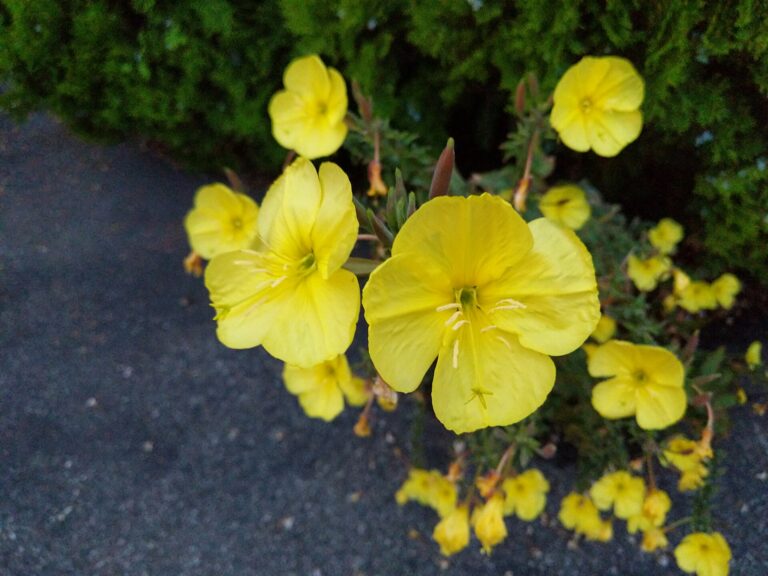
Evening primrose is a tall North American wildflower whose yellow blooms open at dusk. Indigenous peoples ate its roots and greens and used it on bruises and sore skin, and today its seed oil is one of the best-known "women's" and skin supplements.
Rose Petal
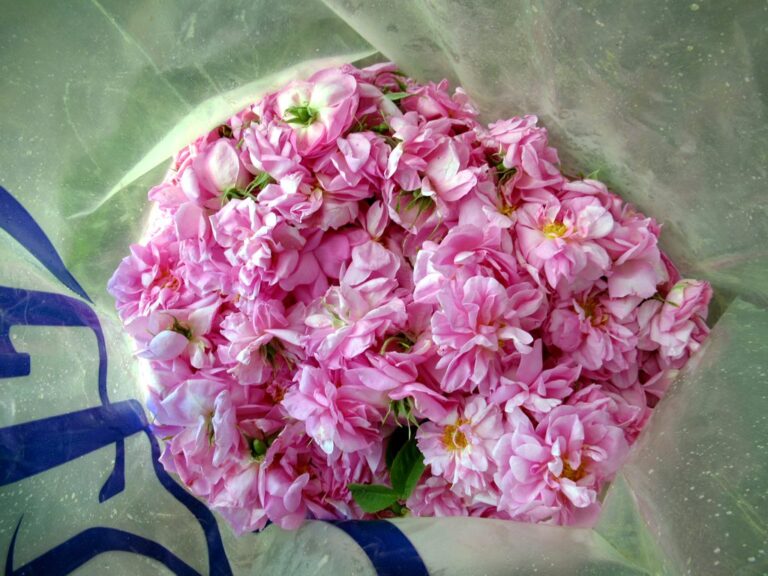
Long before rose was a perfume, Persian, Greek and European healers used the petals for sore mouths, nervous hearts and slow bowels. Today the EU recognises rose flower infusions for mild mouth, throat and skin inflammation, and one study tested rose tea for period pain. Here's the tradition, the research, how to brew it, and the cautions that matter.
Apple Cider Vinegar
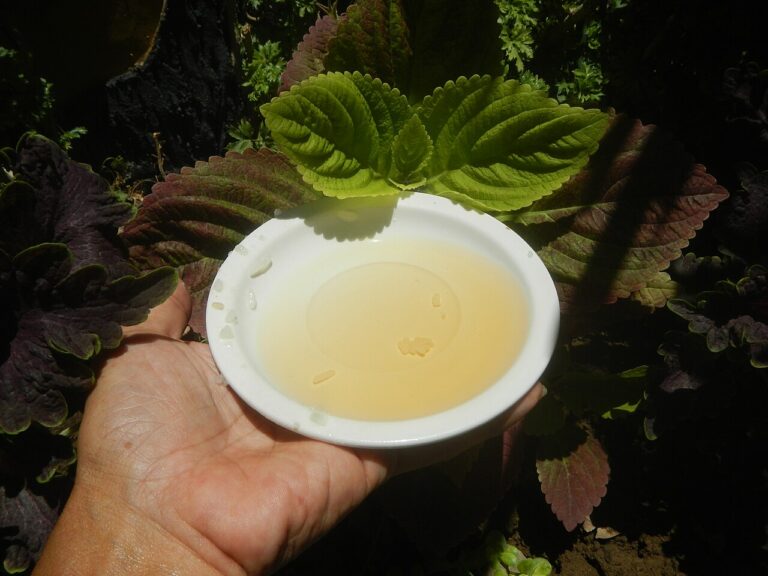
People have used vinegar as a kitchen remedy for thousands of years, from Hippocrates' wound care to the honey-and-vinegar tonics of Persian medicine. Here's what tradition says, what the small modern studies found, and how to take it without hurting your throat.
Ashwagandha (Withania somnifera)
One of Ayurveda's most prized rejuvenating roots, taken for centuries to build strength and help the body cope with stress. Members use it today for calm, sleep, energy and everyday resilience.
Danshen (Safety Profile)
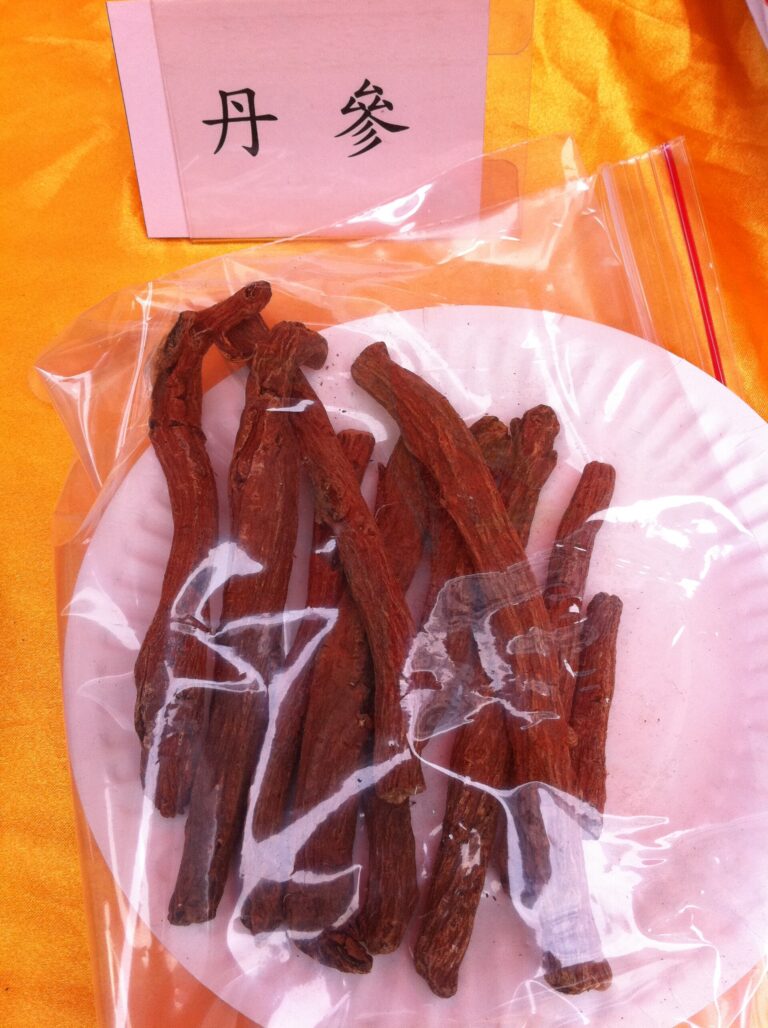
Danshen, the red root of a Chinese sage, is one of the most-used herbs in Chinese medicine for the heart and circulation. It also thins the blood, which makes it one of the riskiest herbs to mix with warfarin and other blood thinners.