Ginger, wrist acupressure, a sniff of an alcohol swab, cold sips and dry crackers: some nausea remedies have real trials behind them and others are mostly tradition. This entry sorts them by evidence and lists the signs that mean nausea needs a doctor, not a cup of tea.
Similar Posts
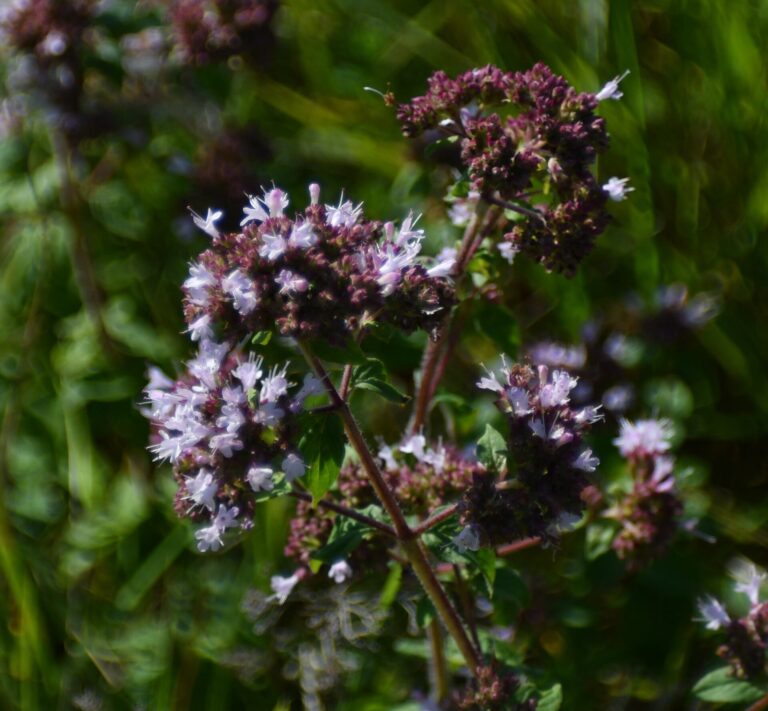
Oregano Oil
Oil of oregano is a strong-tasting herbal oil that many people add to parasite and gut & candida cleanses. Here's what the (small) research shows, the forms people use, and why it needs more care than the oregano in your kitchen.
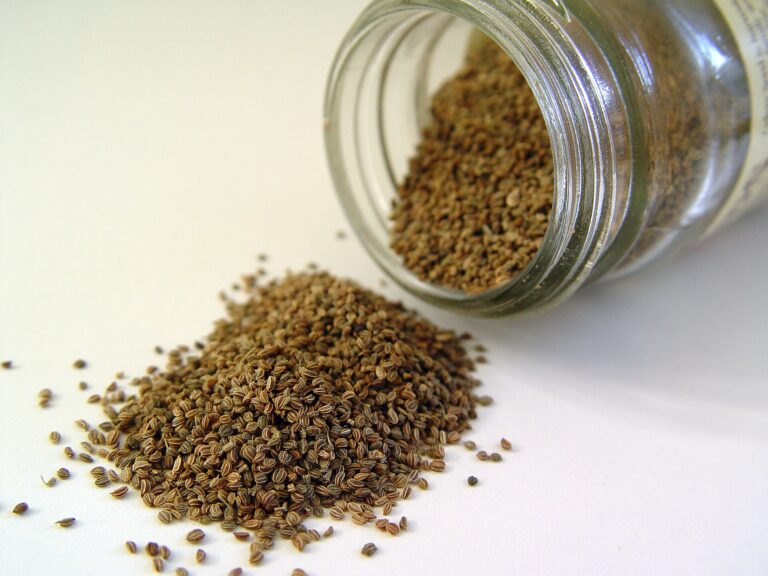
Celery Seed
The tiny seeds of the celery plant were an old European and Middle Eastern remedy for gout, sore joints and sluggish kidneys, and a celery seed extract has now had a small blood-pressure trial. This profile covers what's known, and why celery allergy and pregnancy are the big cautions.
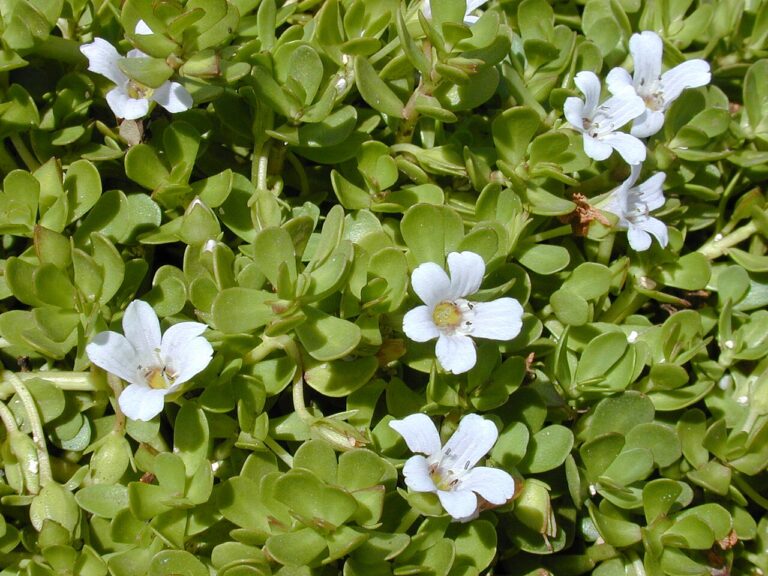
Bacopa (Brahmi)
Bacopa is the creeping wetland herb Ayurveda has prized for centuries as a "medhya" tonic for memory and the mind, and one of the most-studied memory herbs today. Members get the full profile: every traditional use, what the trials really showed, the official amounts, and the side effects and drug interactions to know first.
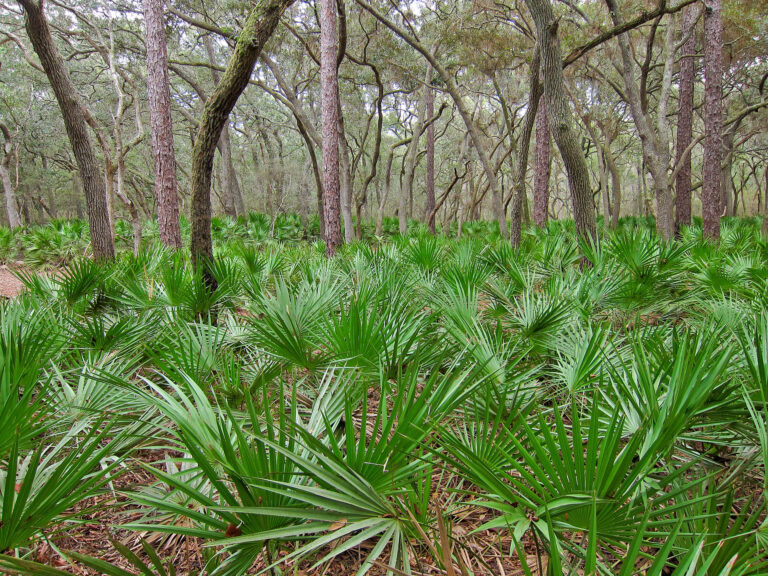
Saw Palmetto
A small Florida palm whose dark berries were food for the Seminole and Ais peoples and became the best-known men's herb in Europe and North America. Here's what tradition and research say about it, and who should be careful.
Greater Celandine (Safety Profile)
Greater celandine is a poppy-family herb with a long history in European folk medicine, but taken by mouth it is linked to liver injury, and European regulators decided its risks outweigh its benefits. Here's where the uses come from, what the research says, and gentler herbs to look at instead.
Yellow Dock
Yellow dock was one of the classic "blood purifiers" of 19th-century herbal medicine, and it still turns up in liver and lymph cleanse blends and folk iron tonics. Members get the full entry: its history around the world, what the research does and doesn't show, traditional amounts, and why its safety section is longer than its benefits.