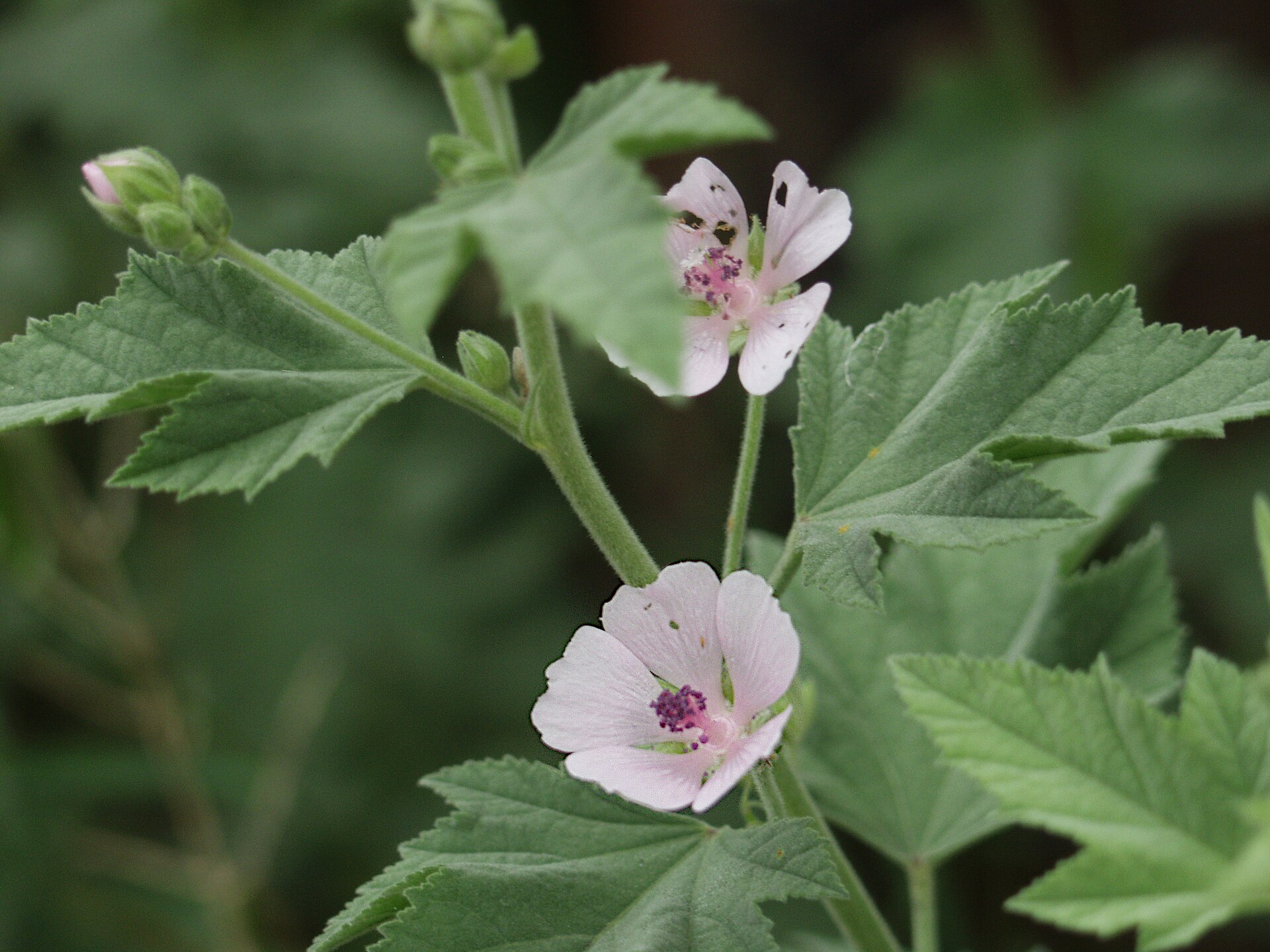
Marshmallow root (the plant, not the candy) is a soft root that turns slippery in water. Herbalists have used it for over 2,000 years to soothe the throat and an irritated gut. Members can read what the research really shows, the typical amounts in the European monograph, and the medicine-timing point to know first.
Similar Posts
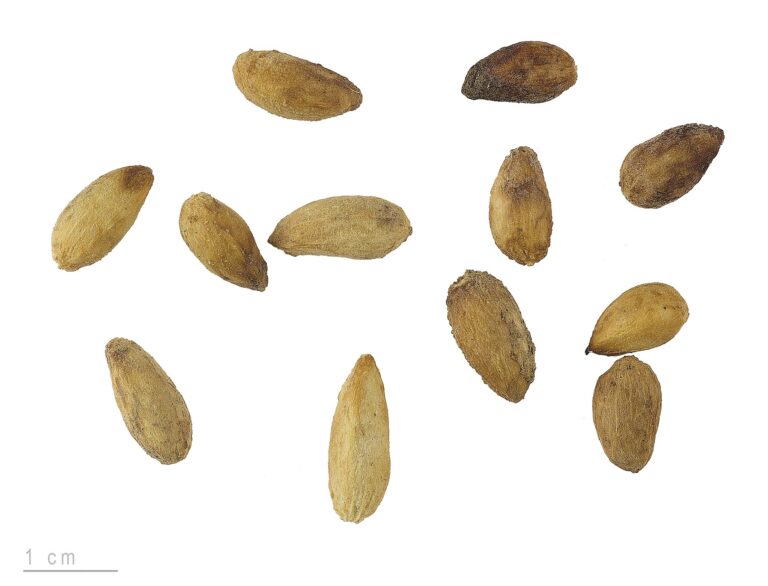
Neem
Neem is a bitter Indian tree that Ayurveda has used for centuries, and it turns up in many parasite and candida cleanses today. Members get the full entry: what the lab and small human studies show, how people take the leaf, and why neem oil should never be swallowed.
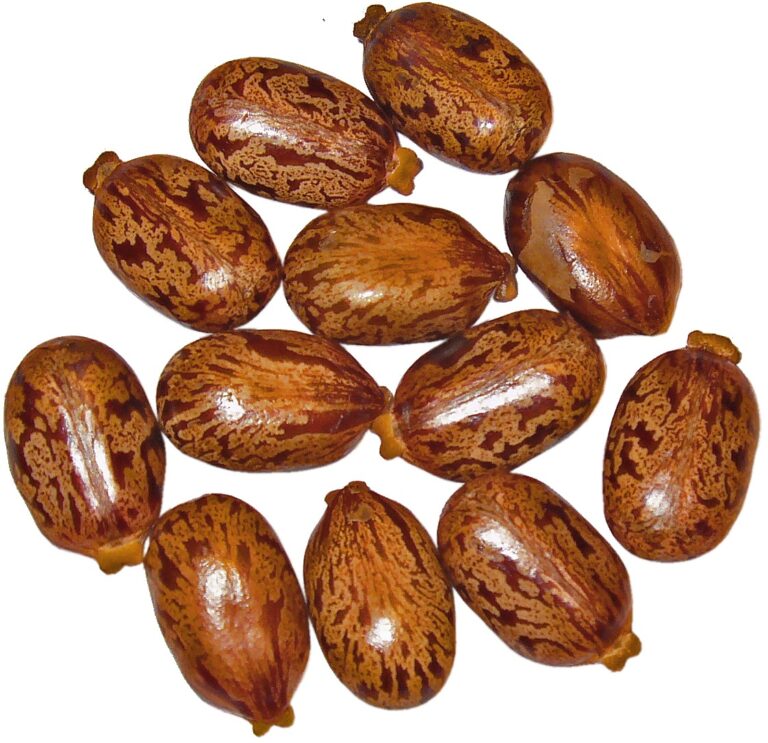
Castor Oil Packs
A castor oil pack is an oil-soaked cloth laid over the belly and warmed, a slow, quiet ritual many detoxers use on rest days. Members can read where the practice comes from, what the (very small) research shows, how people traditionally set it up, and the safety points that matter.
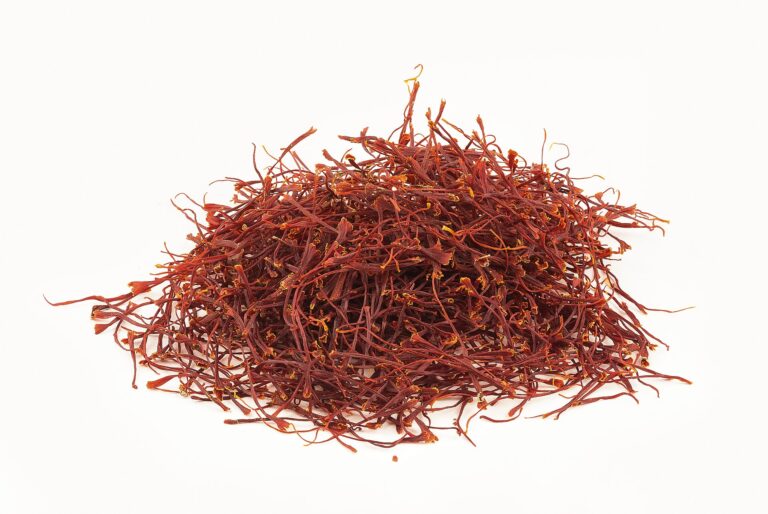
Saffron
The world's most expensive spice is also one of the oldest mood herbs on record: Persian physicians called it a heart-gladdener, and modern trials have tested it for low mood and PMS. This profile covers how tradition uses it, what the research shows, and why "more" is not better with saffron.
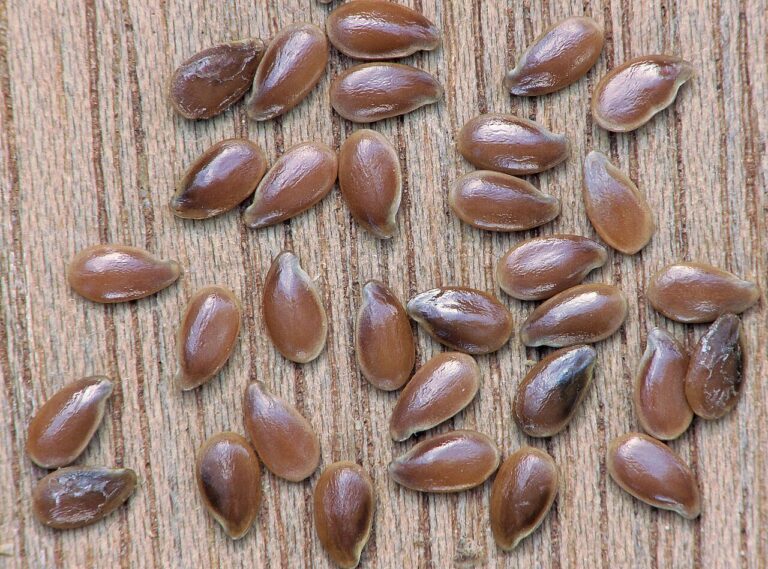
Flaxseed
The small brown or golden seed behind linseed tea, old-fashioned linseed poultices and today's breakfast sprinkle. Flax has been a food, fibre and folk remedy for thousands of years and is now one of the better-studied seeds for the bowels and blood pressure.
Greater Celandine (Safety Profile)
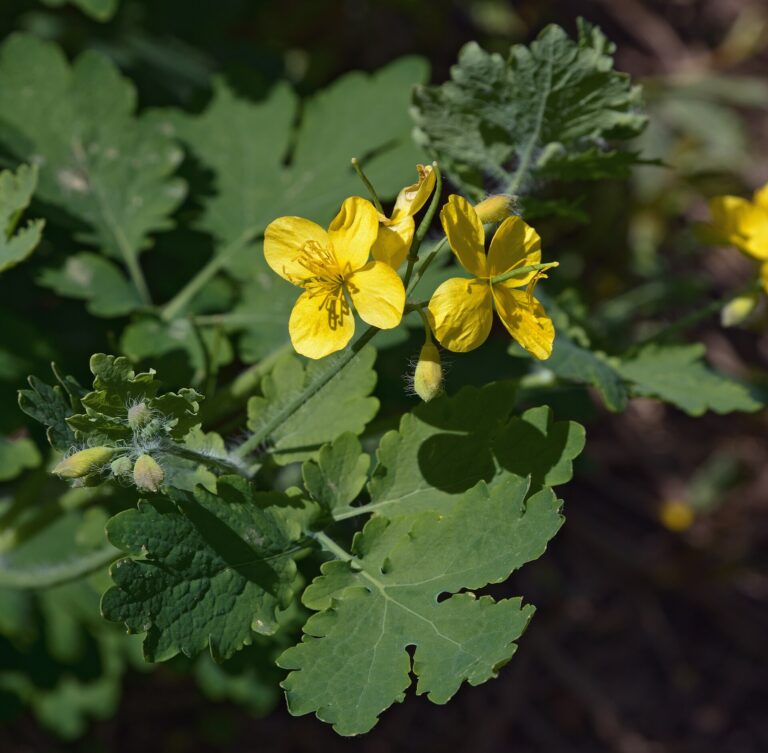
Greater celandine is a poppy-family herb with a long history in European folk medicine, but taken by mouth it is linked to liver injury, and European regulators decided its risks outweigh its benefits. Here's where the uses come from, what the research says, and gentler herbs to look at instead.
Dandelion
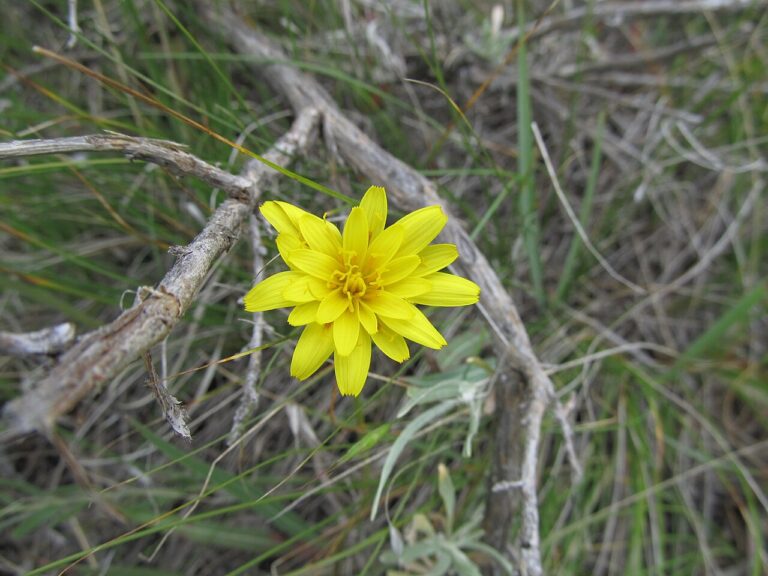
The common lawn weed is one of the most widely used plants in folk medicine, from European herbalists to Chinese and Native American healers. Members can read the traditional uses of its root, leaf and flower, how it's believed to work, what the research says, typical amounts and who should skip it.