Slippery elm is a North American tree bark that turns silky and gel-like in water, and it’s a favourite gentle “soother” in gut-focused routines. Members can read its long history, what the (thin) research shows, and the timing and safety points to know first.
Similar Posts
Pumpkin Seeds
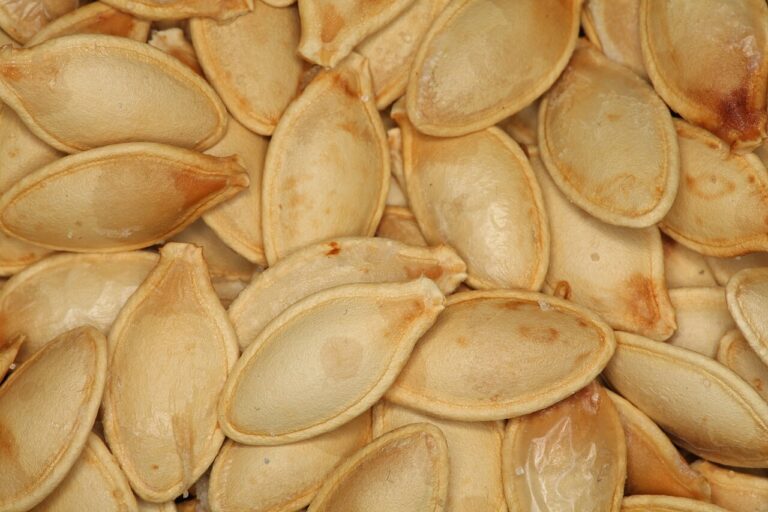
Pumpkin seeds were an official worm remedy in US pharmacy books for over 70 years, and today they're one of the most-shared "parasite cleanse" foods online. Members get the full entry: where the tradition comes from, the one human tapeworm study (and why it can't be copied at home), typical food amounts, and who should be careful.
Elderberry (Sambucus nigra)
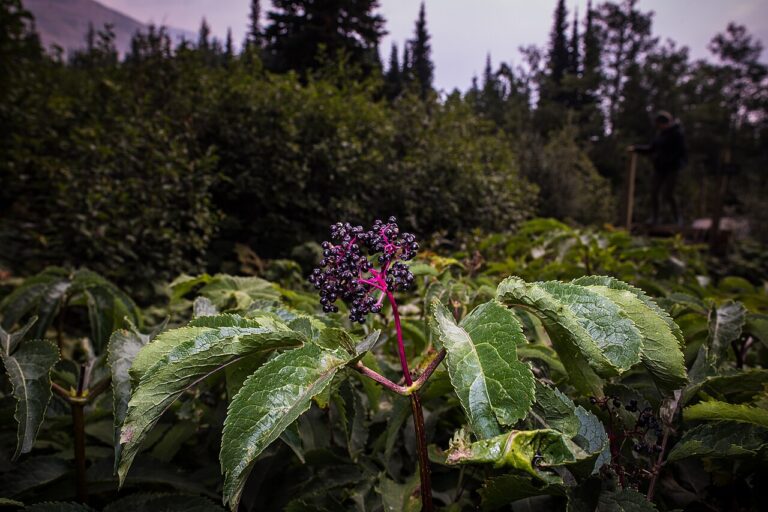
A dark purple berry that European households have cooked into syrups for generations at the first sign of a cold. Today it's one of the most popular herbal supports for the cold and flu season.
Fermented Foods (sauerkraut, kimchi, kefir)
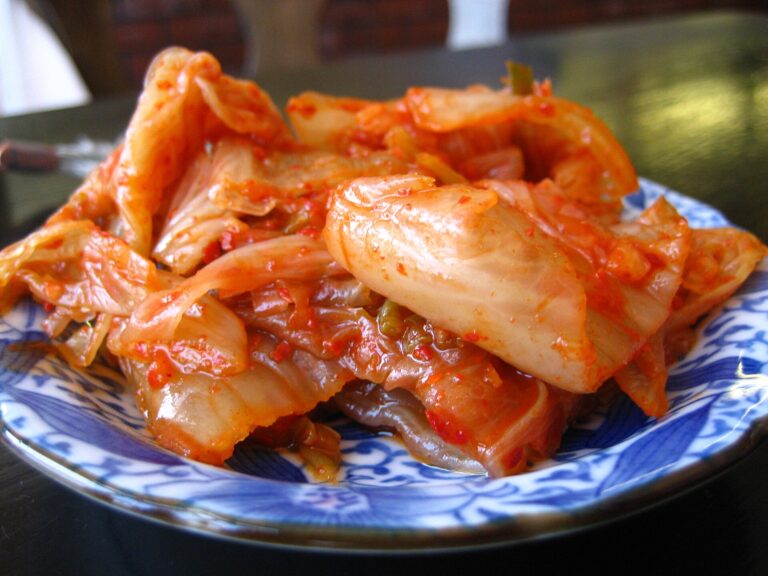
Cabbage in a crock, kimchi buried in clay jars for winter, kefir and spiced buttermilk after a meal: almost every food culture has a soured food. Here's what fermented foods are, what research has started to show, and how to choose or make them safely.
Saw Palmetto
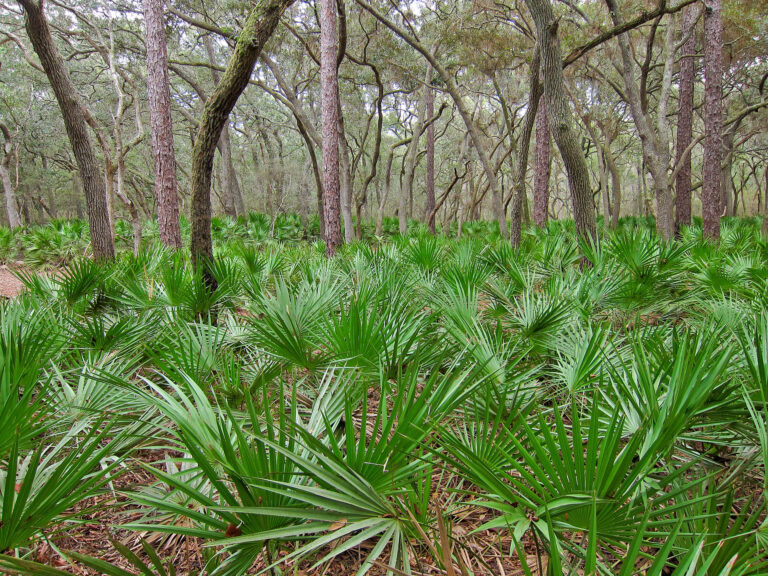
A small Florida palm whose dark berries were food for the Seminole and Ais peoples and became the best-known men's herb in Europe and North America. Here's what tradition and research say about it, and who should be careful.
Bentonite Clay
Bentonite is a volcanic-ash clay that people stir into water as a gut "binder" during a cleanse. Members can see what the research actually shows, how people typically use it, and the quality checks that matter most with clay.
Artichoke Leaf
Artichoke leaf is the bitter green leaf of the globe artichoke, a European digestive herb that people use to support bile flow and the liver. Members get the full entry: what the human studies show, typical amounts from the official European monograph, and who should skip it (especially anyone with gallstones).