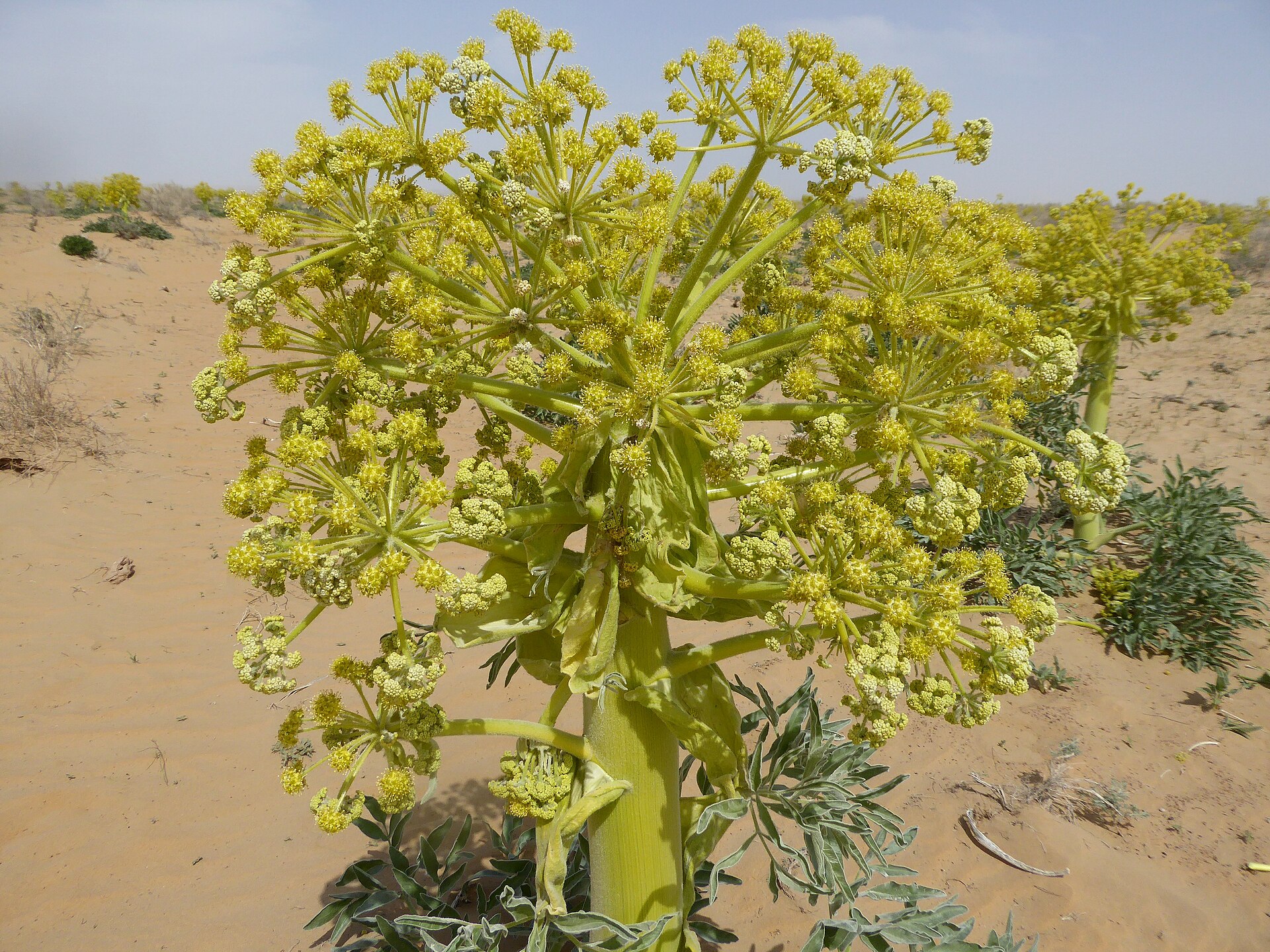
Asafoetida, or hing, is the pungent resin that Indian cooks add by the pinch to beans and lentils, and that Ayurvedic and Persian healers have long used for wind and sluggish digestion. Here’s what traditions use it for, what the small trials found, and who should keep it to food amounts.
Similar Posts
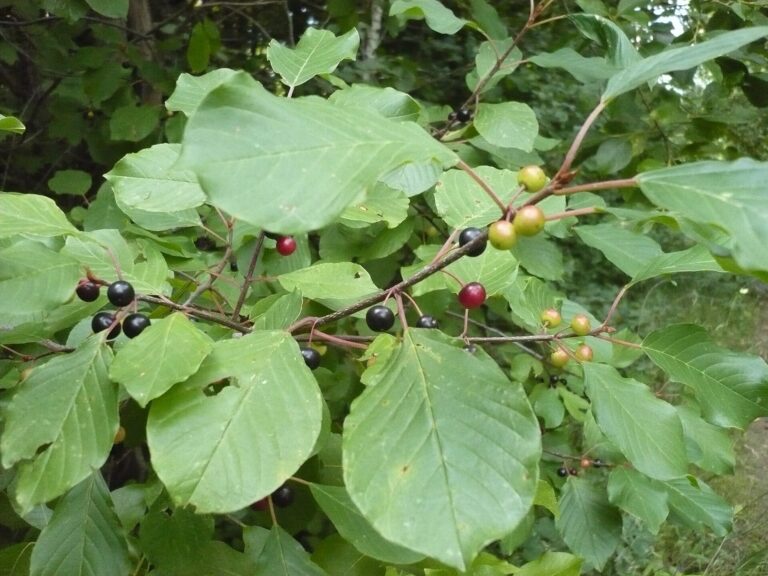
Frangula (Alder Buckthorn)
Frangula, or alder buckthorn bark, is a strong stimulant laxative herb used in Europe since the 1500s. It's for short-term use only, and the bark has to be properly aged first; here's what to know before reaching for it.
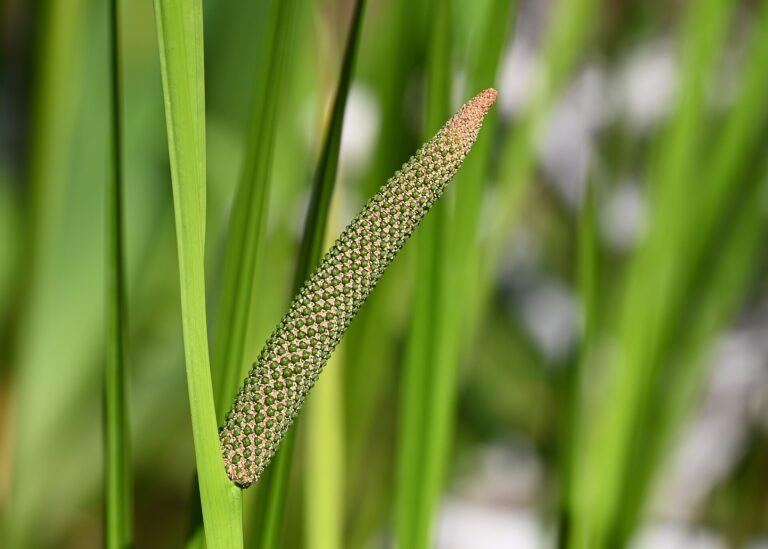
Calamus / Vacha (Safety Profile)
Sweet flag is an aromatic marsh plant with a long history in Ayurveda, Chinese medicine and Indigenous North American medicine. It's also one of the few herbs banned from food in the US, because its oil contains beta-asarone, which caused cancer in rodent studies.
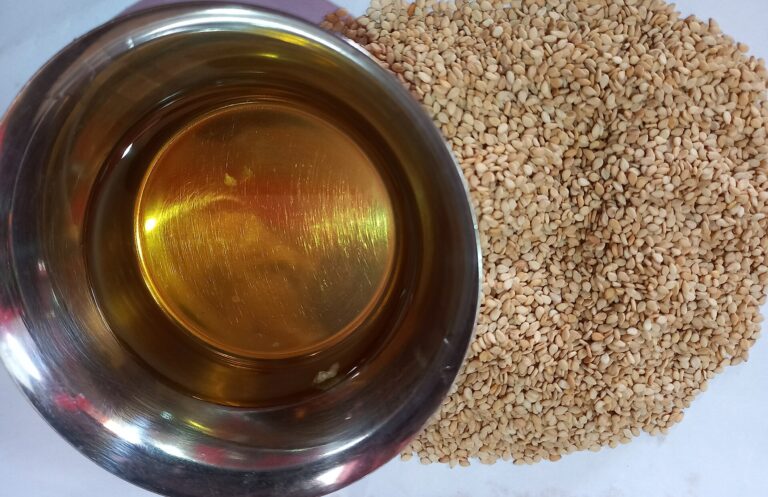
Abhyanga (Ayurvedic Self Oil Massage)
Abhyanga is the Ayurvedic habit of rubbing warm oil into your whole body, scalp to soles, before a shower. Classical texts list it as a daily routine for skin, sleep and steadiness, and two small trials found people felt less stressed after it. Here's how it's traditionally done, what the research does and doesn't show, and the safety points that matter most: slippery floors, skin allergies and babies' skin.
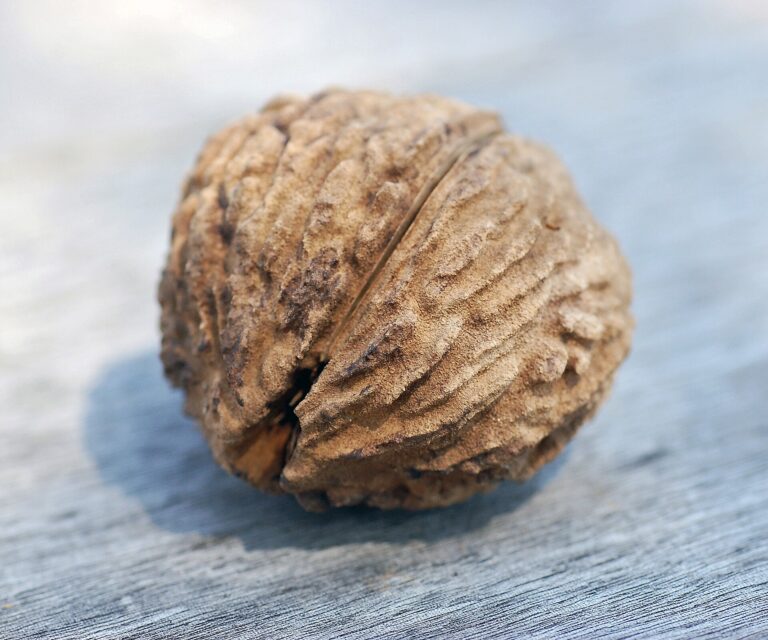
Black Walnut Hull
Black walnut hull is the bitter, dark-staining husk at the heart of the classic "wormwood, black walnut and clove" parasite cleanse. Members can read its traditional story, what the research does and doesn't show, and the safety points to know first.
Moringa
Called the "miracle tree" across Asia and Africa, moringa is both a food and a traditional medicine, and its leaves are packed with plant nutrients. Here's what tradition uses it for, what the studies show, and who should be careful with it.
Ginseng (Asian and American)
Ginseng has been the prized "root of strength" in Chinese medicine for centuries, and American ginseng was a woodland medicine of Indigenous peoples before it became a major export to China. Here's how the two ginsengs differ in tradition, what modern studies show for energy and fatigue, and who should be careful with it.