Epazote (Safety Profile)

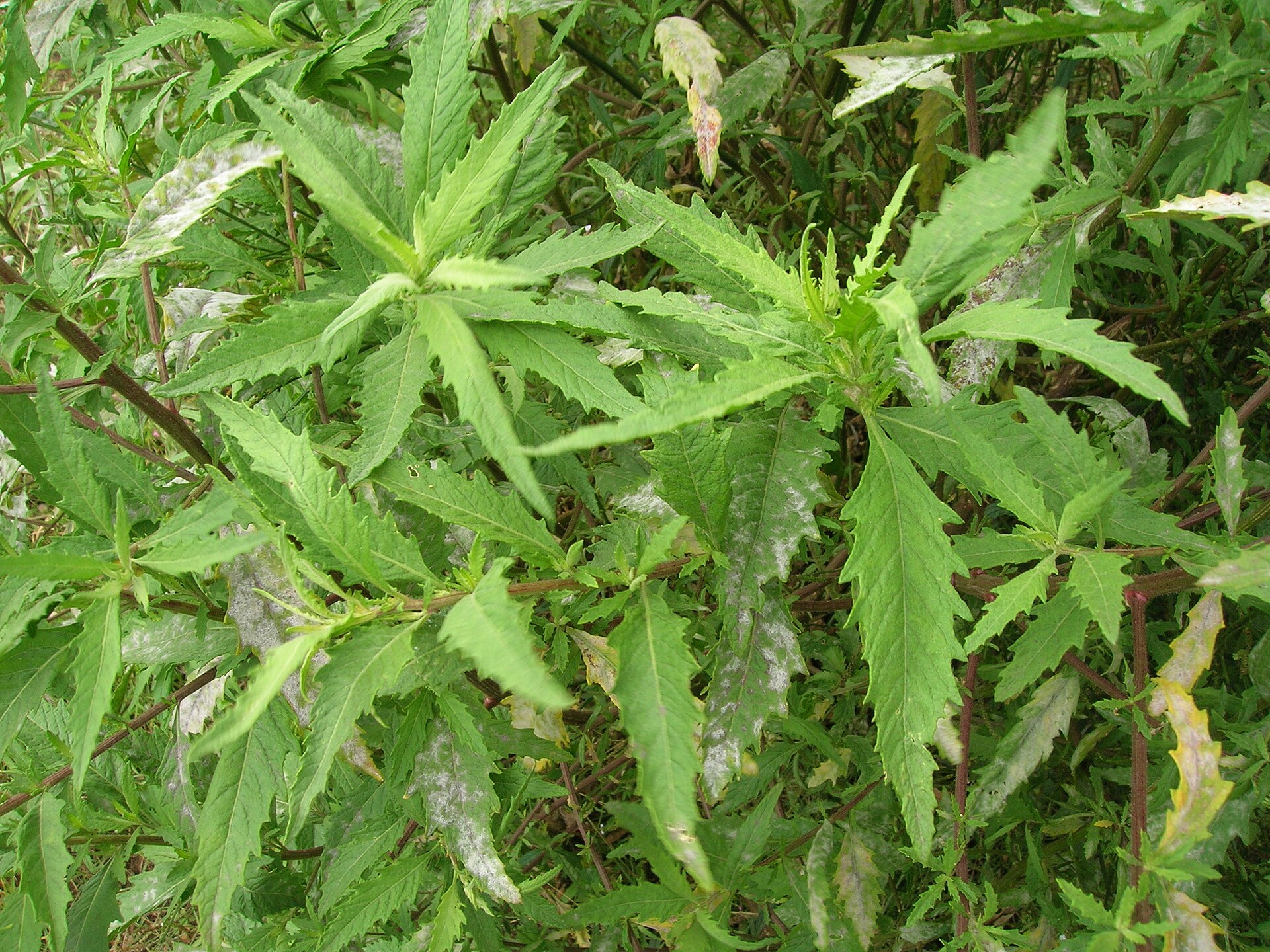
Green epazote (Dysphania ambrosioides) leaves growing

Epazote is a pungent Mexican kitchen herb traditionally stirred into a pot of beans, and it has a long folk history as a worm remedy. Its seed oil, though, is a known poison, so here’s where the uses come from and what to know before you go beyond a sprig in the pot.

Members-only guide

The full guide, with how to use it and the safety notes, is in the Remedies Vault.

See what’s in the Vault

Already a member? Log in here

Free remedies by email

Simple natural remedies and detox tips from Clif. Unsubscribe anytime.
Similar Posts

  • Warm lemon water in the morning

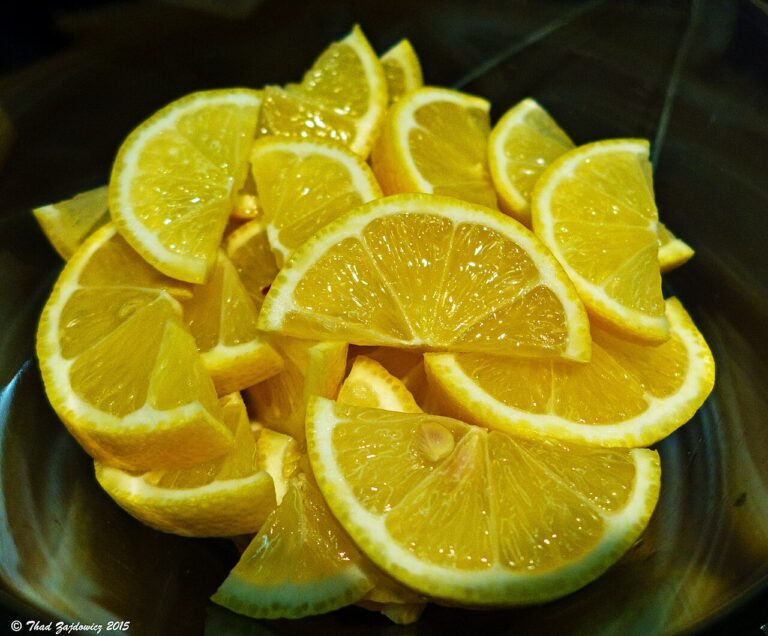
    The simplest and most widely kept morning ritual in natural health. Here is what is actually in the glass, the one use with real clinical interest behind it, and the small habit that keeps it kind to your teeth.

    Members-only guide

    The full guide, with how to use it and the safety notes, is in the Remedies Vault.

    See what’s in the Vault

    Already a member? Log in here
  • Bacopa (Brahmi)

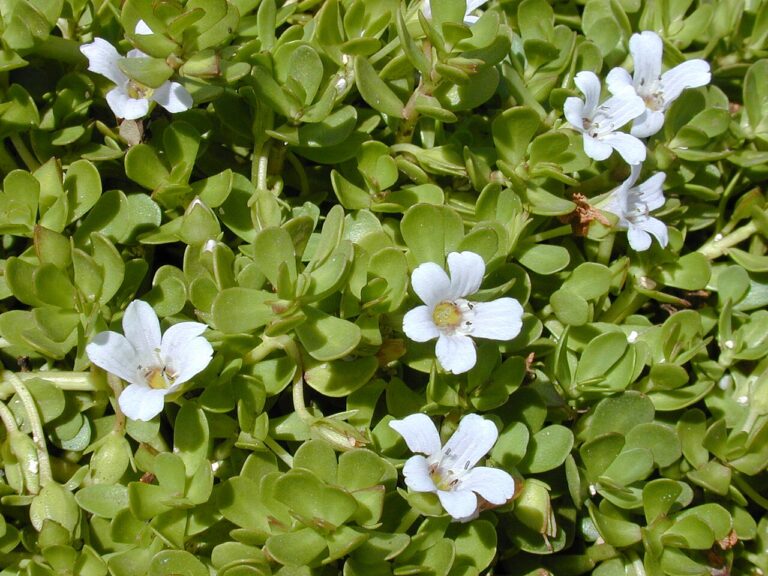
    Bacopa is the creeping wetland herb Ayurveda has prized for centuries as a "medhya" tonic for memory and the mind, and one of the most-studied memory herbs today. Members get the full profile: every traditional use, what the trials really showed, the official amounts, and the side effects and drug interactions to know first.

    Members-only guide

    The full guide, with how to use it and the safety notes, is in the Remedies Vault.

    See what’s in the Vault

    Already a member? Log in here
  • Castor Oil

    Castor oil is one of the oldest plant oils in the home medicine cabinet, pressed from a bean that's actually dangerous on its own, which makes the oil's long history all the more interesting. Members can read where it comes from, what it's traditionally been used for, and what careful research says.

    Members-only guide

    The full guide, with how to use it and the safety notes, is in the Remedies Vault.

    See what’s in the Vault

    Already a member? Log in here
  • St. John’s Wort

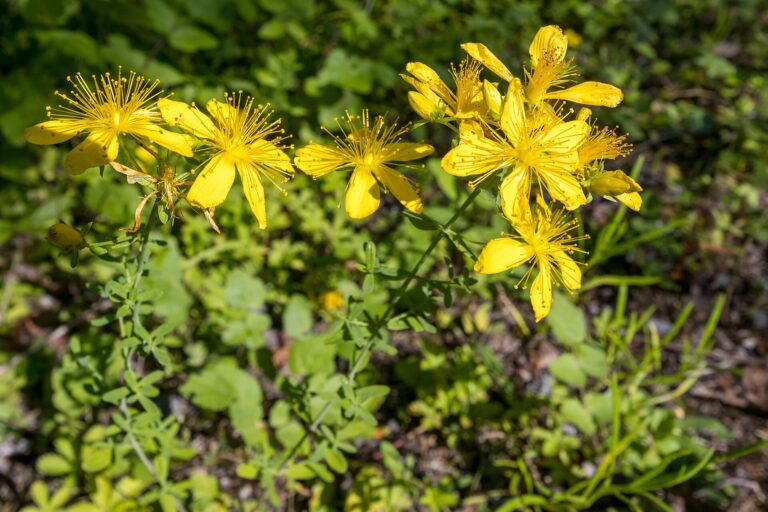
    A bright yellow summer flower named after St. John, gathered around Midsummer and steeped in oil until it turns blood-red. Europe has used it for low spirits, nerves and skin for centuries, and today it's one of the most-studied herbs for mood. It also has more drug interactions than almost any other herb, so this page starts its Safety section there.

    Members-only guide

    The full guide, with how to use it and the safety notes, is in the Remedies Vault.

    See what’s in the Vault

    Already a member? Log in here
  • Safflower

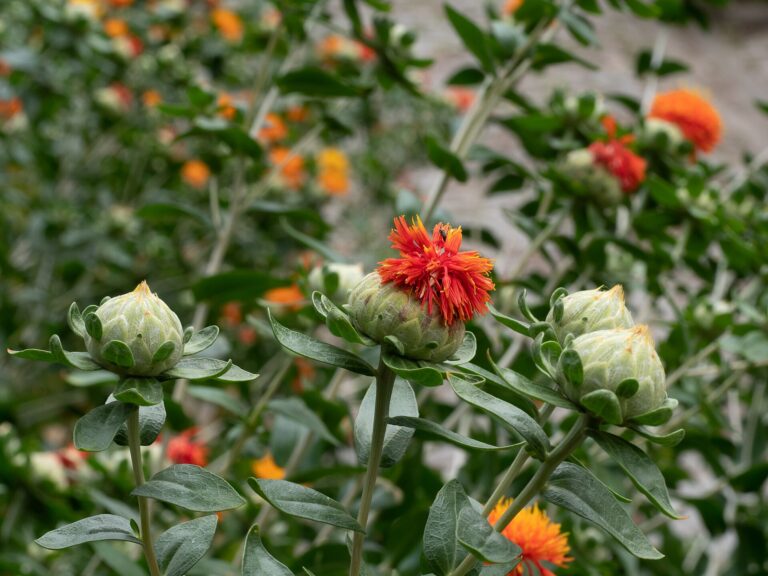
    Safflower is the bright orange "false saffron" flower that's also the source of a common kitchen oil. The vault page explains why the flower and the oil are two very different products, and who should leave the flower alone.

    Members-only guide

    The full guide, with how to use it and the safety notes, is in the Remedies Vault.

    See what’s in the Vault

    Already a member? Log in here