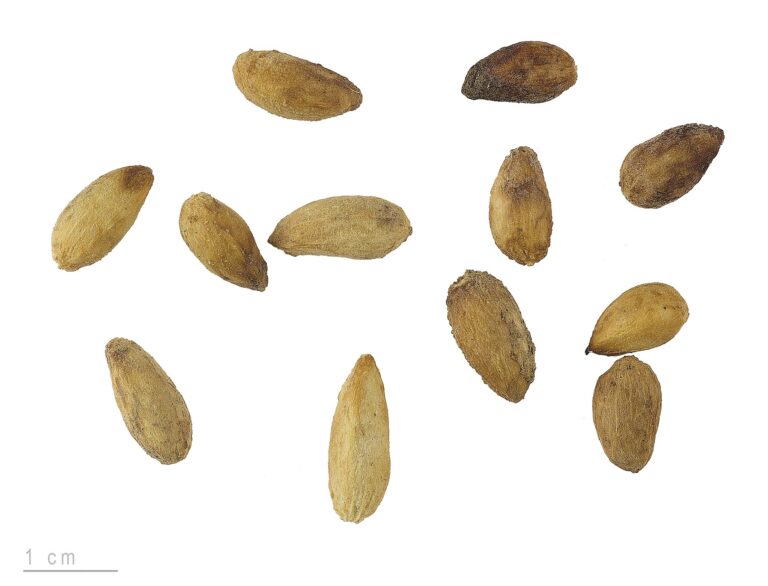
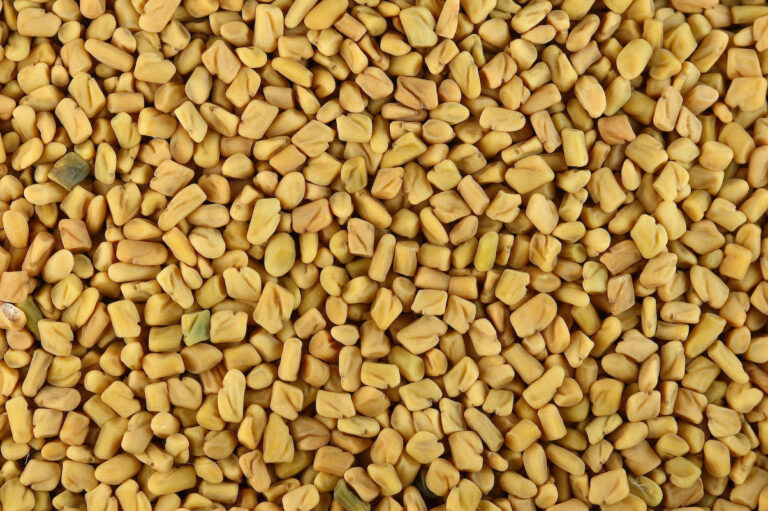
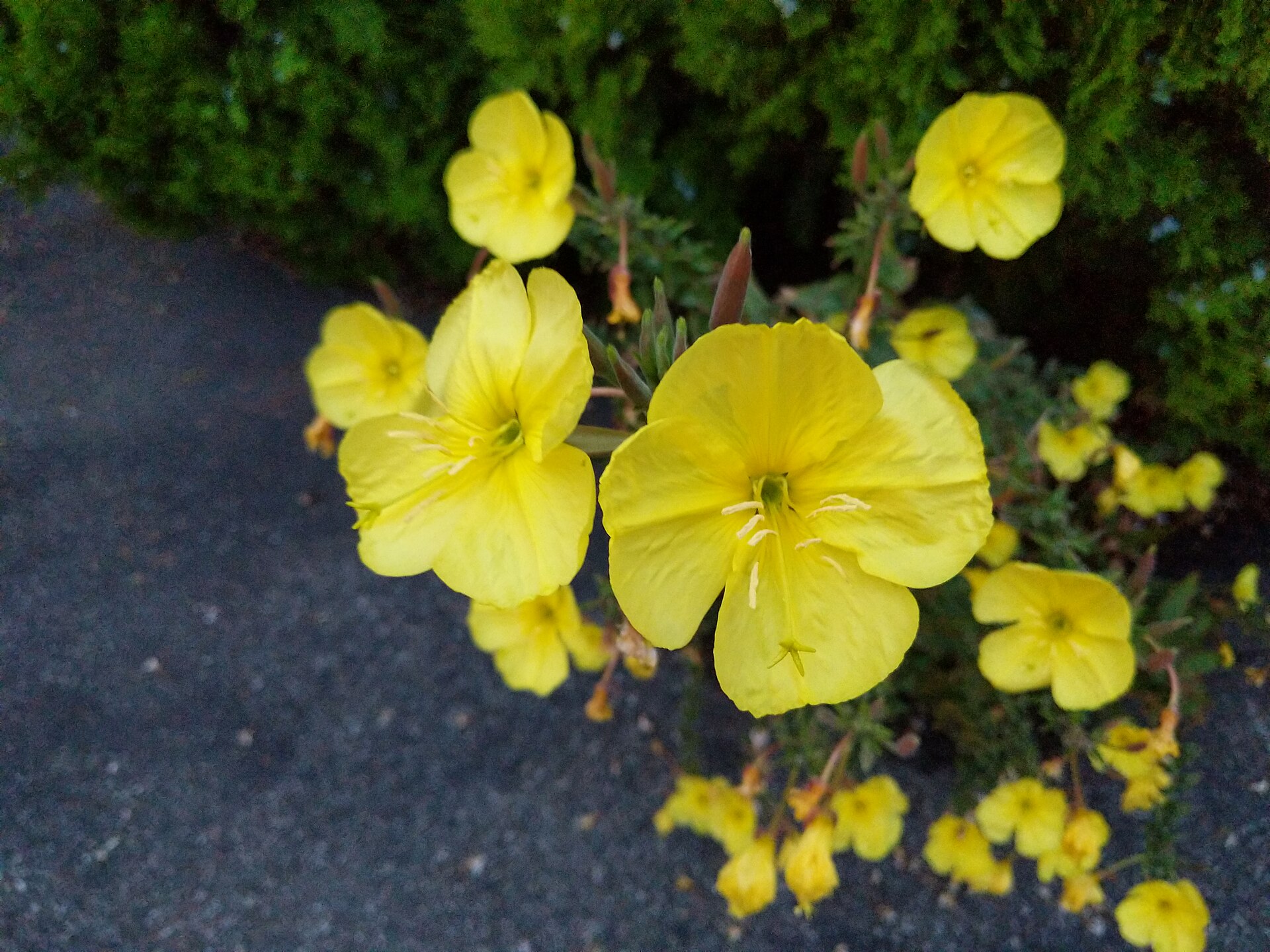
Evening primrose is a tall North American wildflower whose yellow blooms open at dusk. Indigenous peoples ate its roots and greens and used it on bruises and sore skin, and today its seed oil is one of the best-known “women’s” and skin supplements.
Similar Posts
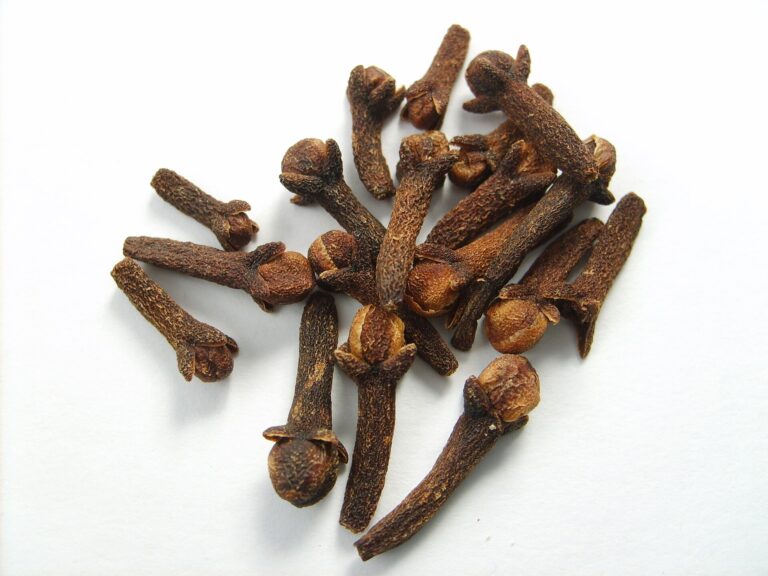
Clove
Clove is the warming kitchen spice that rounds out the classic three-herb parasite cleanse, alongside black walnut and wormwood. Members can read what the research really shows, what product labels list, and why clove oil is a very different thing from ground clove.
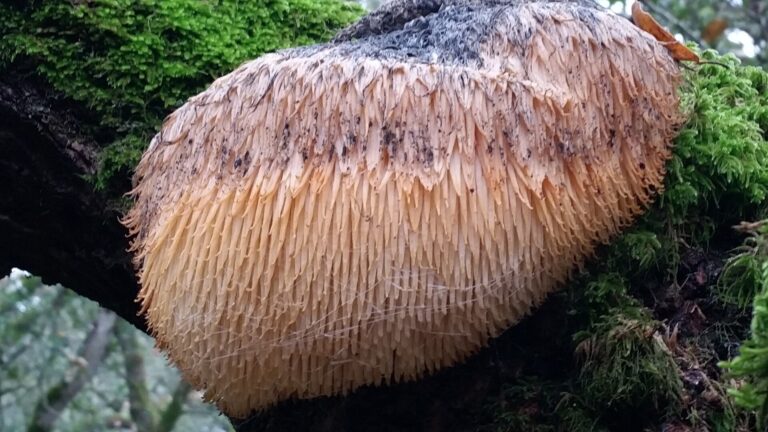
Lion’s Mane Mushroom
Lion's mane is the shaggy white "monkey head" mushroom of Chinese and Japanese tradition, eaten as a delicacy and used for centuries to support the stomach and, more recently, memory and mood. Here's what tradition says, what the early research shows, and who should be careful with it.
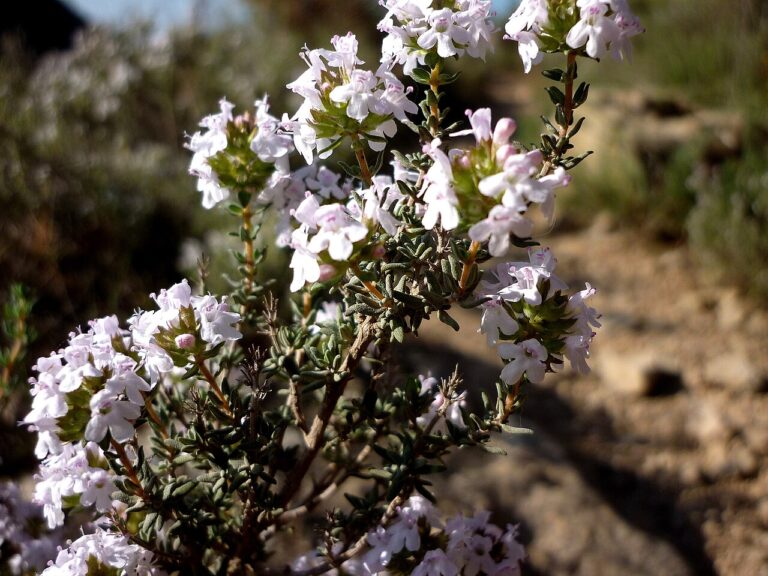
Thyme
The kitchen herb behind many old-fashioned cough syrups and mouthwashes. Thyme has been used for chesty coughs, sore throats and digestion since ancient Greece, and it's still an approved traditional cough remedy in Europe.
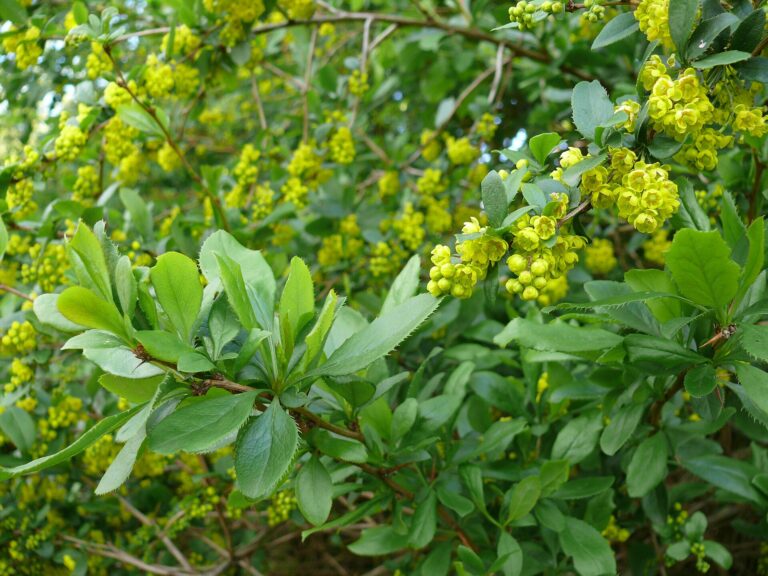
Berberine
Berberine is the bright-yellow compound behind some of the oldest bitter remedies in Ayurveda and Chinese medicine, from Indian barberry to Chinese goldthread. Today it is one of the most-studied plant compounds for metabolic health, and one of the most interaction-prone, so it is worth reading the safety section first.
Neem
Neem is a bitter Indian tree that Ayurveda has used for centuries, and it turns up in many parasite and candida cleanses today. Members get the full entry: what the lab and small human studies show, how people take the leaf, and why neem oil should never be swallowed.
Fenugreek
A small golden seed that has flavoured curries and fed nursing mothers for thousands of years, from ancient Egypt to India. Its maple-syrup aroma is the same one that famously lingers on the skin of people who take it.