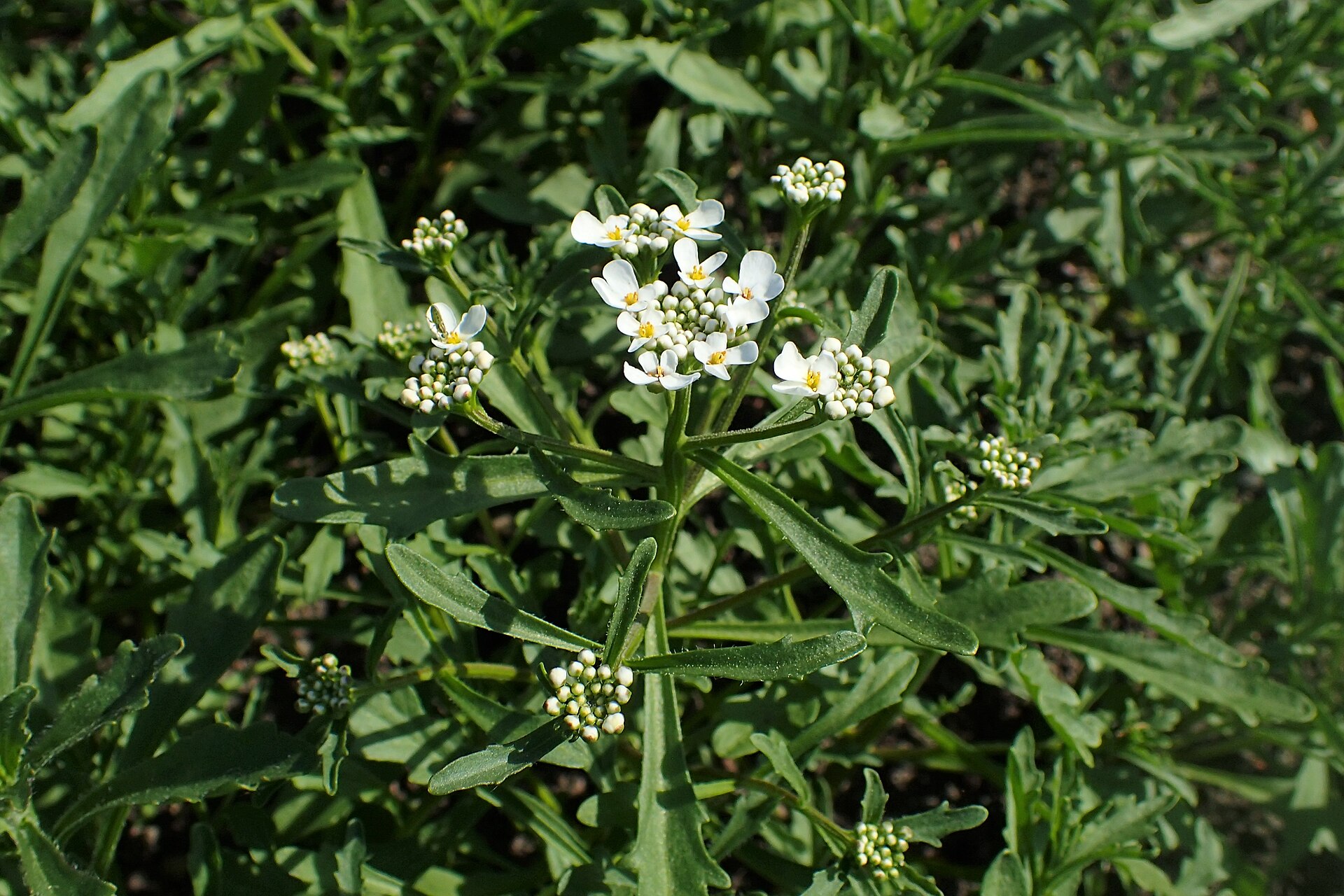
A small, bitter garden flower from the cabbage family. It’s the lead herb in Germany’s best-known stomach drops, a multi-herb formula that has been studied for bloating, fullness and IBS-type discomfort.
Similar Posts
Horsetail
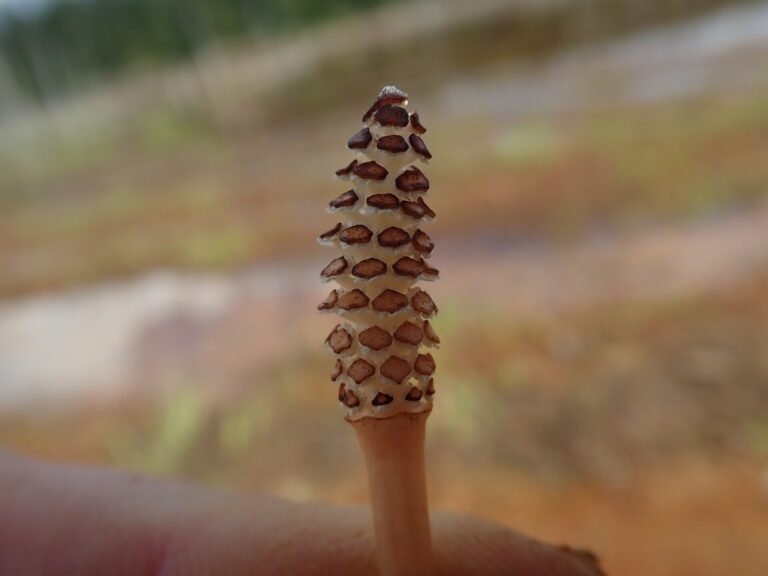
An ancient, jointed plant that looks like a little green bottle brush, horsetail is so rich in silica that people once used it to scrub pots and sand canoes. Here's what tradition and research say about it, and why it should be used carefully.
Nutmeg (Safety Profile)
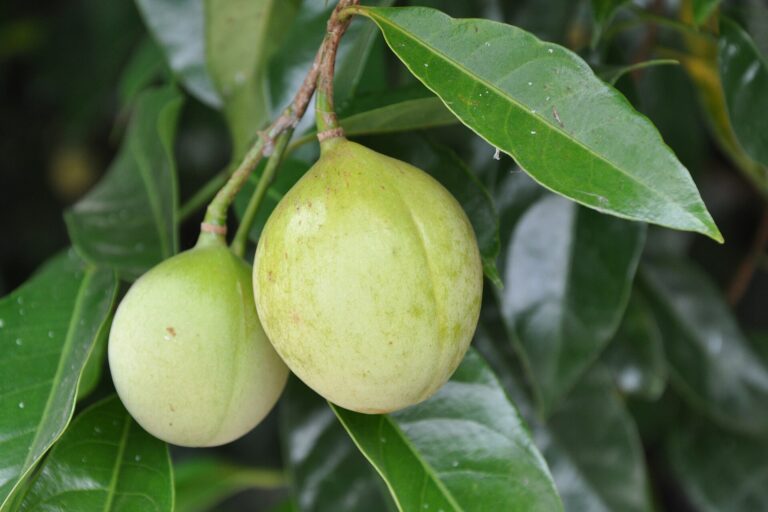
Nutmeg is the warm baking spice in eggnog and pumpkin pie, and an old Ayurvedic and Unani remedy for the gut and for sleep. In kitchen amounts it is a food; in spoonfuls it is a poison, which is why this profile leads with safety.
Calendula
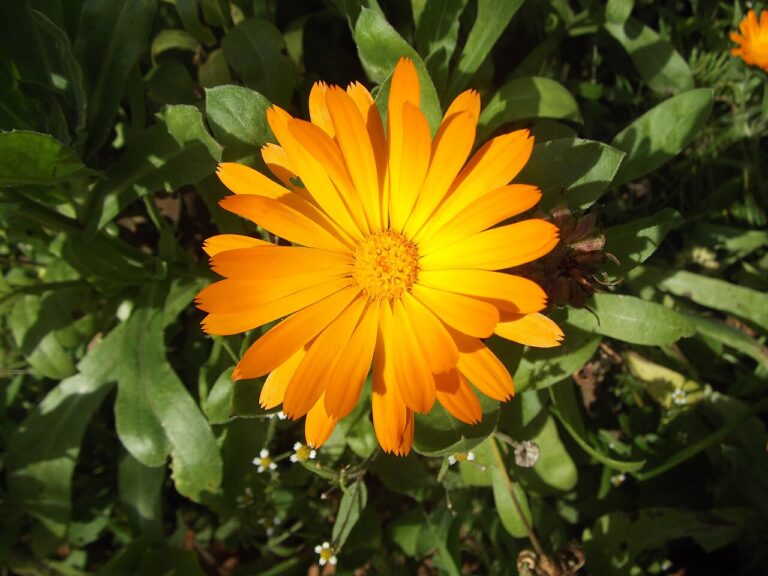
The bright orange "pot marigold" of cottage gardens, used for centuries to soothe sore skin and dress wounds. Today it's one of the best-known herbs in creams, salves and baby balms.
Rhubarb Root
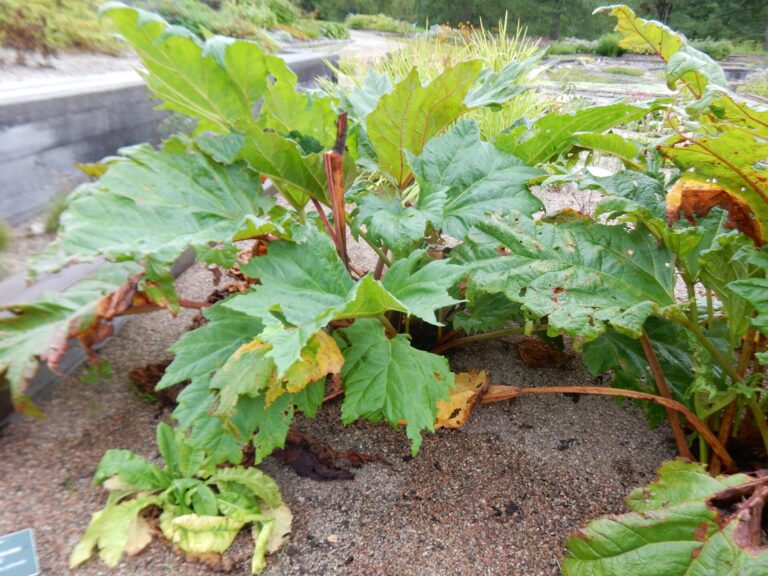
Chinese rhubarb root is a strong stimulant laxative herb with a 2,000-year history in Chinese medicine. Europe's herbal regulators allow it only for short-term use, and it isn't for everyone; here's what members need to know before trying it.
Maca
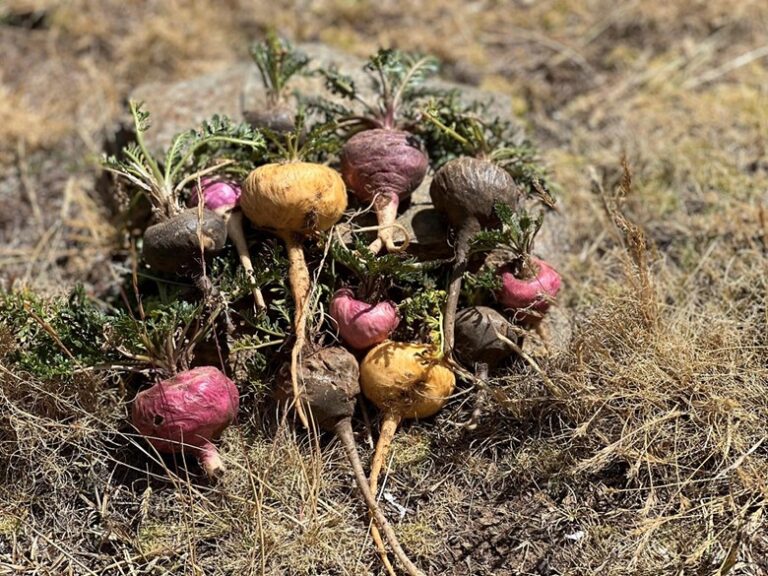
A hardy root from the high Peruvian Andes, grown at around 4,000 metres for up to 2,000 years. Andean families have long eaten it as a staple food and an energizing tonic, and today it's one of the most popular "superfood" roots for energy and vitality.
Pau d’Arco
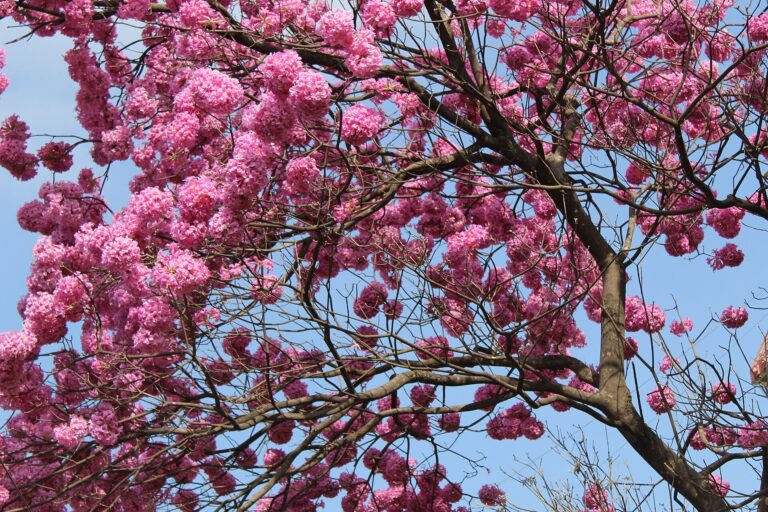
Pau d'arco is a South American tree bark that shows up in many candida and parasite cleanses. Members get the full entry: what the lab studies do and don't show, how people take the tea, and why anyone on a blood thinner should skip it.