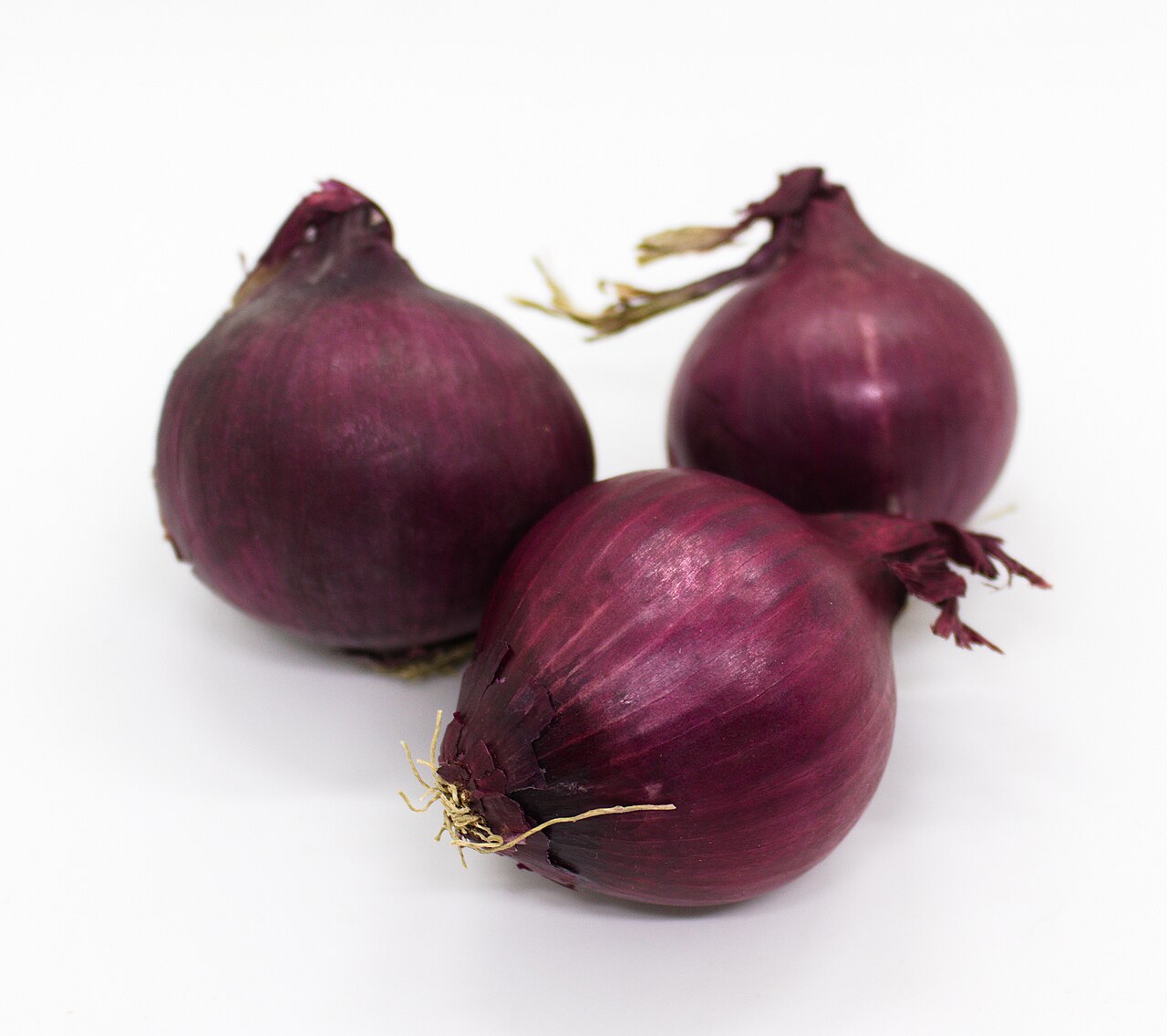
Quercetin is the most common flavonoid in the human diet, the yellow pigment behind onion skins and apple peels. Here’s how naturopaths use it, the traditional herbs that are rich in it, and what the research shows.
Similar Posts
Broccoli Sprouts
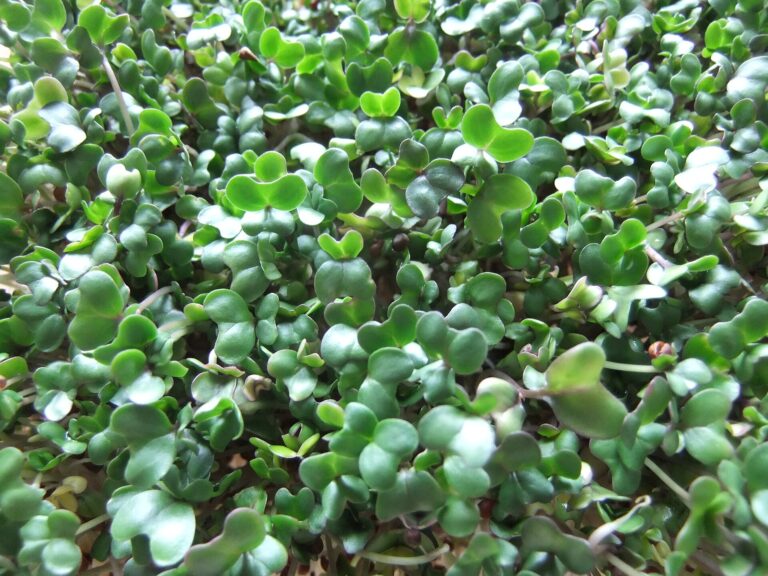
Tiny broccoli sprouts carry far more of the compound that becomes sulforaphane than grown broccoli does, and they're one of the few "detox foods" tested in a large human trial on air pollutants. Here's what that trial found, the forms people use, and the food-safety cautions for raw sprouts.
Marshmallow Root
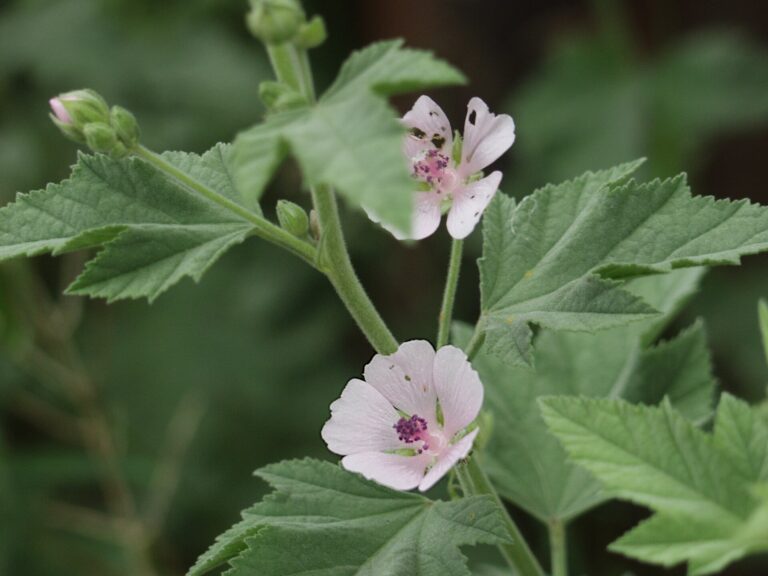
Marshmallow root (the plant, not the candy) is a soft root that turns slippery in water. Herbalists have used it for over 2,000 years to soothe the throat and an irritated gut. Members can read what the research really shows, the typical amounts in the European monograph, and the medicine-timing point to know first.
Echinacea
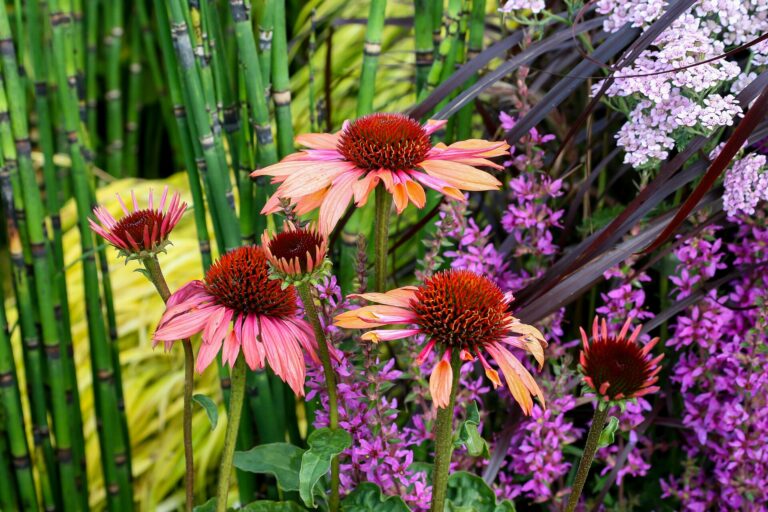
A prairie wildflower that Plains nations used for sore throats, toothache and wounds long before it became Europe's best-known cold remedy. Here's what tradition says, what the research shows, and who should skip it.
Ginseng (Asian and American)
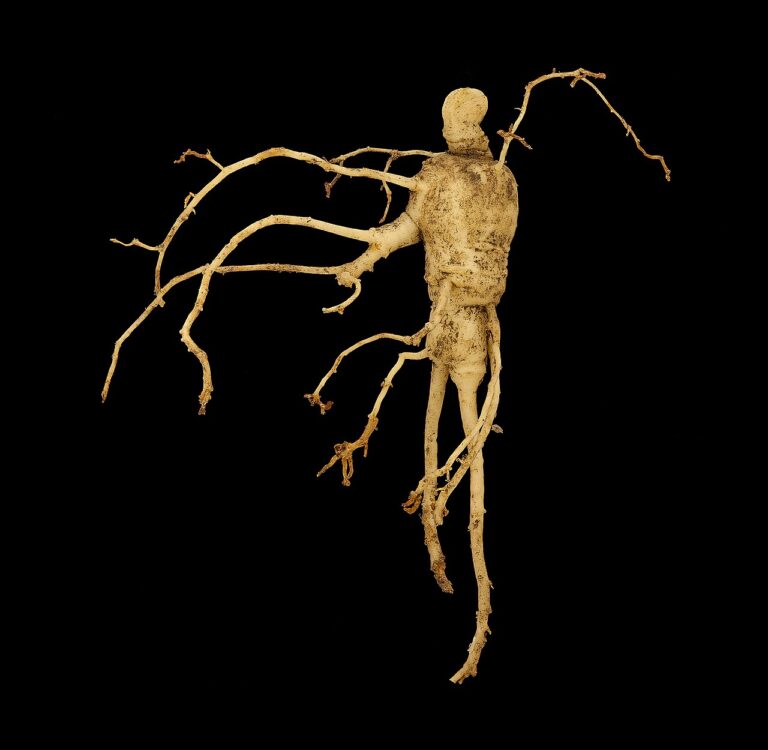
Ginseng has been the prized "root of strength" in Chinese medicine for centuries, and American ginseng was a woodland medicine of Indigenous peoples before it became a major export to China. Here's how the two ginsengs differ in tradition, what modern studies show for energy and fatigue, and who should be careful with it.
Psyllium (Isabgol)
Psyllium, known in India as isabgol, is the plant fibre behind many everyday fibre supplements, and it has some of the strongest research of any herb in the vault. Here's how traditions use it, what the newest guidelines say, and how to take it safely.
Parsley
Parsley is the kitchen herb detoxers turn into "kidney flush" teas, parsley water and green juices. Here is its traditional "water herb" use, what the evidence does and does not show, why it does not dissolve kidney stones, and the pregnancy, oxalate and medicine cautions.